Directing Brand Imagery with Alexia Sidibe
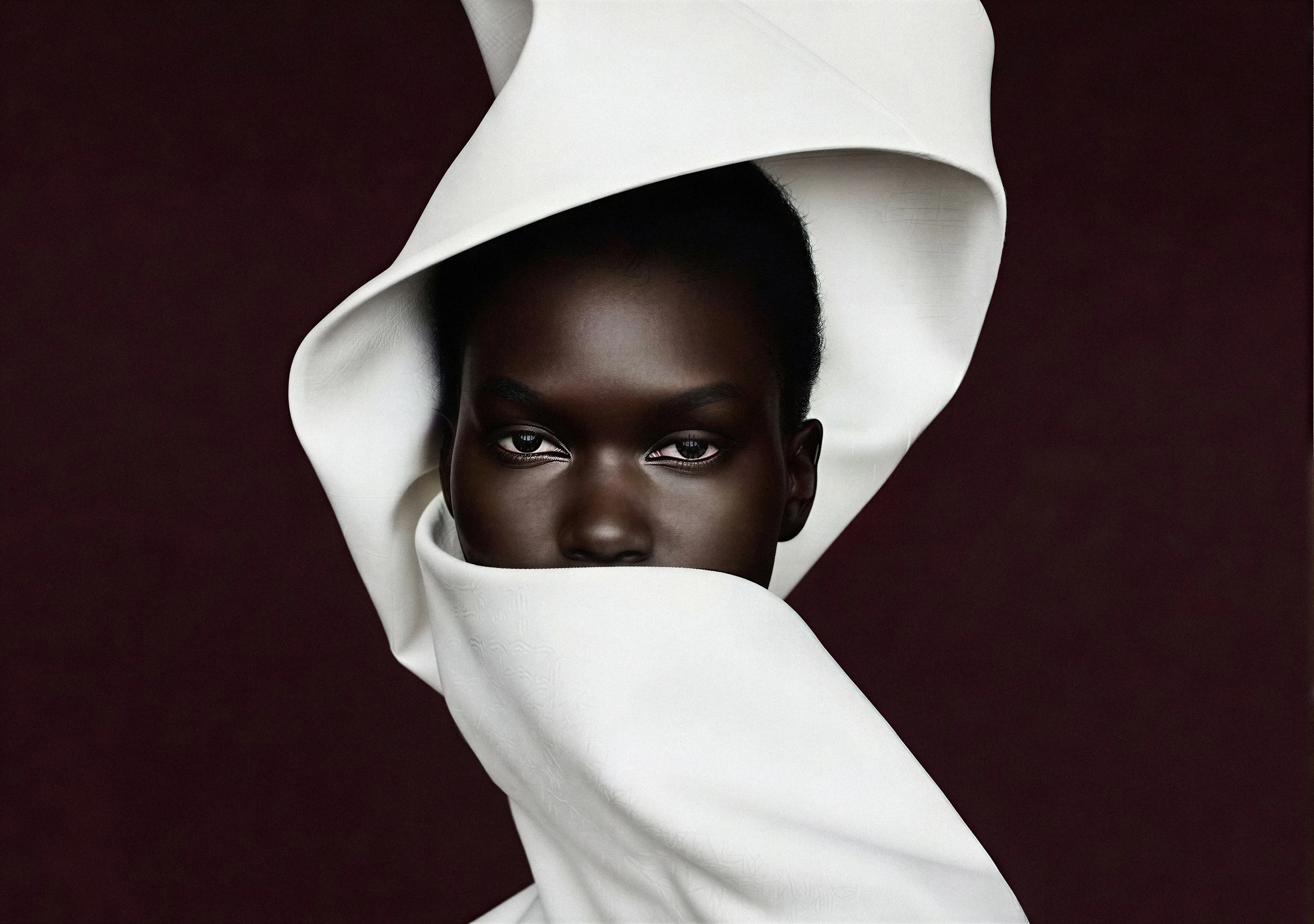
The maquette is a way to materialize an intention. It’s the blueprint. It pinpoints the tension that gives an image its strength.
In the heart of Paris, creative director Alexia Sidibe is gesticulating an idea. It's brand-specific, but imbued with emotion, exploration, and a common ground.
Working across classical art direction and new technological ability, Alexia doesn’t skip to the finished image, but instead builds it a bridge. With Reve, Alexia builds a custom maquette: a moodboard of visual language that communicates the texture, energy, and tension of a brand’s identity.
She transforms the pitch deck from a vague suggestion into a creative conviction. She facilitates a direct line of communication between her internal vision and the client's with brand-specific, original imagery.
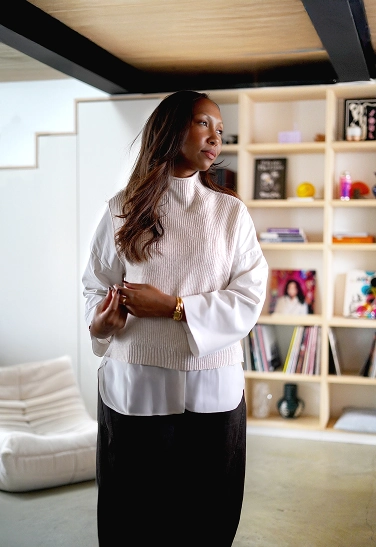
Alexia Sidibe in the artist's studio.
The sacredly messy creative dialogue gains a new level of control, and a new pedestal. By visualizing the "why" so early, the maquette ensures the spirit of a brand is never lost in translation; it is captured, defended, and realized long before the final delivery.
We sat down to discuss the "art of the maquette," how she finds tension in digital spaces, and why the perfect image ultimately feels like peace of mind.
For those just discovering your vision, how would you describe your journey to becoming a director in Paris?
I'm a beauty director and designer based in Paris. I've always been drawn to art direction; not the final image, but the entire process behind it. I'm curious by nature, and I love exploring new tools and techniques, which is what led me to AI and eventually to discovering Reve.
Growing up in Paris, you’re surrounded by a world of influences—museums, fashion houses, history. How did your formal training begin?
I started by studying marketing and communication before specializing in graphic design and art direction. My teachers encouraged us to be curious and to learn as much as possible about what's been done in art, through typography, photography, or anything else. I tried to absorb every piece of information at that time.
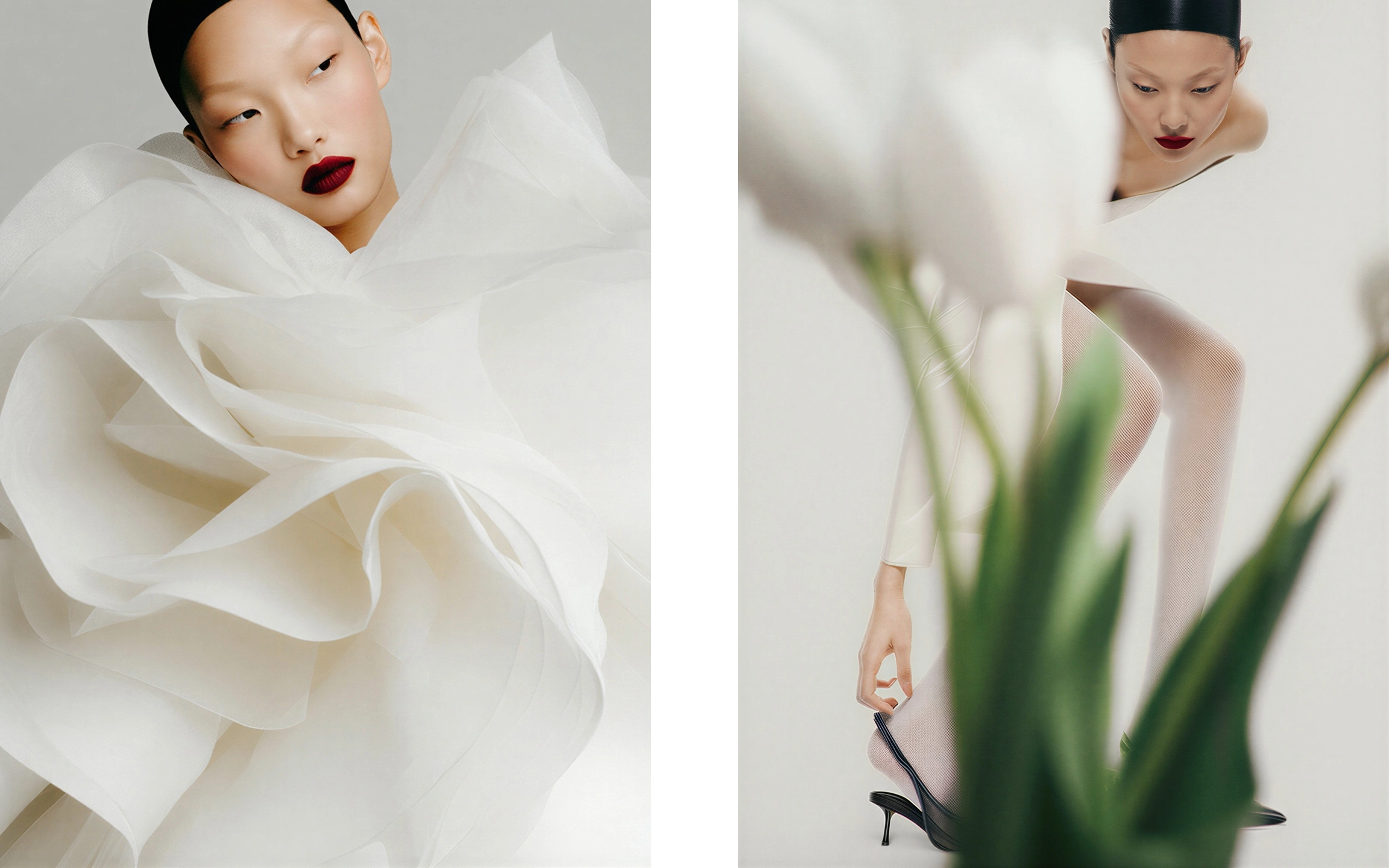
Bloom in Motion, I / Bloom in Motion, II
How has your style evolved or persisted over time?
I honestly am not able to judge my style, because it's natural. I have strong values for crafting images. I want them to have meaning, to be impactful. Often, I find myself playing with natural codes. Natural colors, natural props, flowers, plants, or even mud or dust. I am very receptive to organic feelings.
As a creative strategist, how do you begin defining a brand’s vision? What are the first questions you ask?
The first thing I check is if I have understood the vision of the project and the client. I try to dig into the storytelling. What is the tension that I want to create? The tension is what gives an image its strength. It's very important for me to create focus, contrast, and emotion.
Then I will do some curated visual direction mood boards and maquettes that will help me structure my ideas. I always start with the big core brand values and then translate them into an editorial line.
Own the Balance
You’ve mentioned a tenet of Reve is "maquettes." How do you define a maquette?
A maquette is a way to materialize an intention. It's not the final image. It’s a constructed visual that helps define a direction and to make it understandable to others. So, I would use the maquette to have a very clear output to my project and to show my clients. We go through the maquettes to decide what we want for the final image.
How does Reve play a part in that specific process? Does it change how you communicate with clients or photographers?
I use Reve as both a generation tool and a way to explore visual direction. The maquette becomes much more precise and controlled; instead of relying only on existing references, I can create something that's already very close to the final vision. It reduces the ambiguity and aligns everyone much faster.
For photographers on a shoot I’m currently creating, instead of relying on curated content from the internet, I can bring custom content into the presentation. If I want a woman standing in a specific pose, wearing a specific outfit, I would use Reve to make that vision alive.
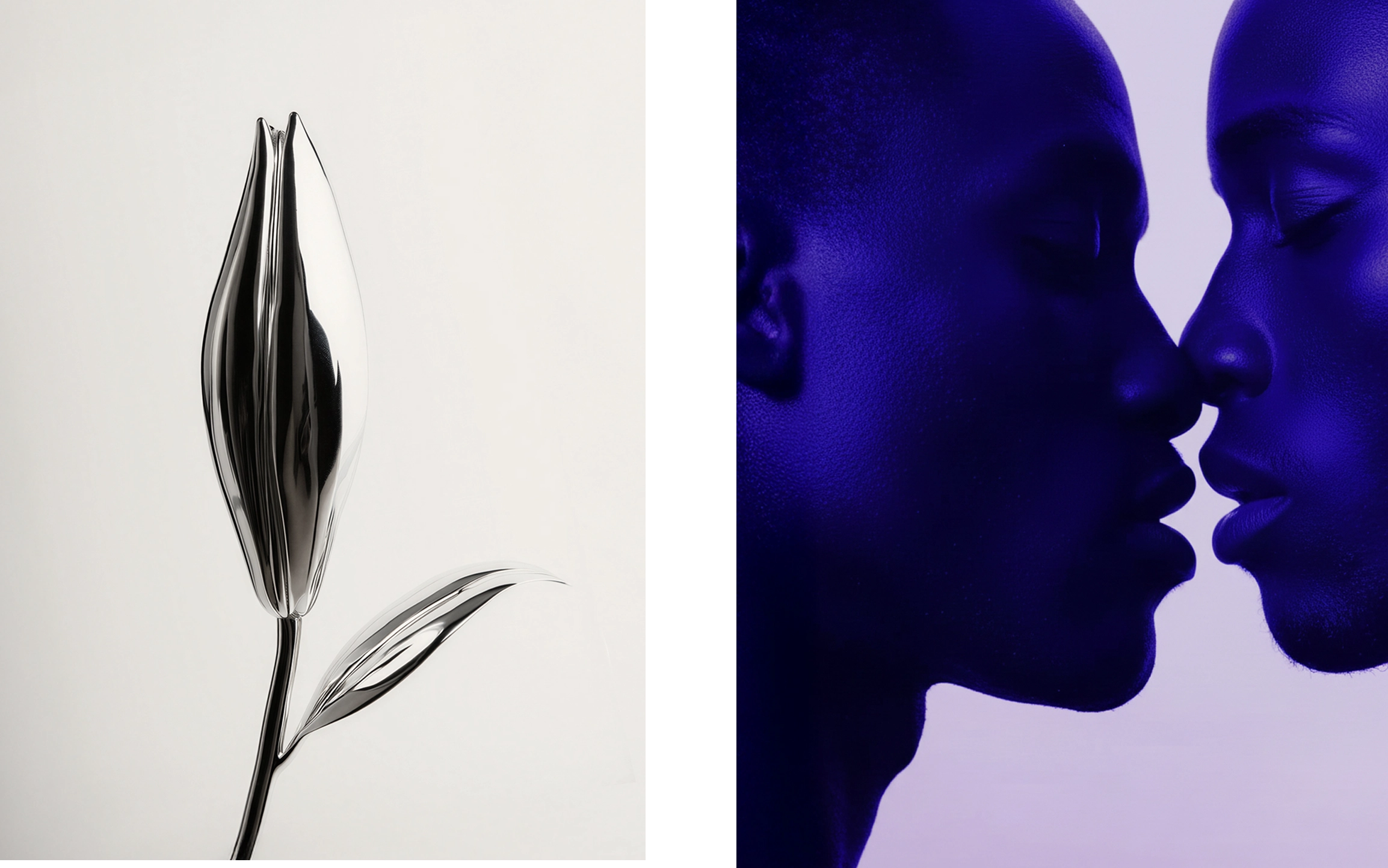
Bloom in Motion, IV / Quiet Rituals Bold Stories
What I find particularly interesting with Reve is how intuitive and conversational it is. It makes the process very fluid, and at the same time, the level of quality and control allows me to reach something very precise in composition and rendering.
How do you use a maquette to capture both a brand’s values and an audience’s emotions?
A maquette allows me to translate a brand’s values into something immediate and visual. Through one image, I can express a mood, an attitude, or a world that feels true to the brand’s identity. At the same time, I think about the emotional response it creates for the audience: through tension, beauty, movement, softness, or surprise. It’s where strategy and emotion meet, turning abstract values into something tangible and that people can instantly feel.
Outside of the digital realm, what do you look to for inspiration?
I'm open to any kind of art form. The first one that comes to my mind would be Jean-Michel Basquiat. I love his work, but I also love the person that he embodied at that time. I’m inspired by music as well. I always work in music. I listen to funk, to hip-hop, to disco, to anything, actually.
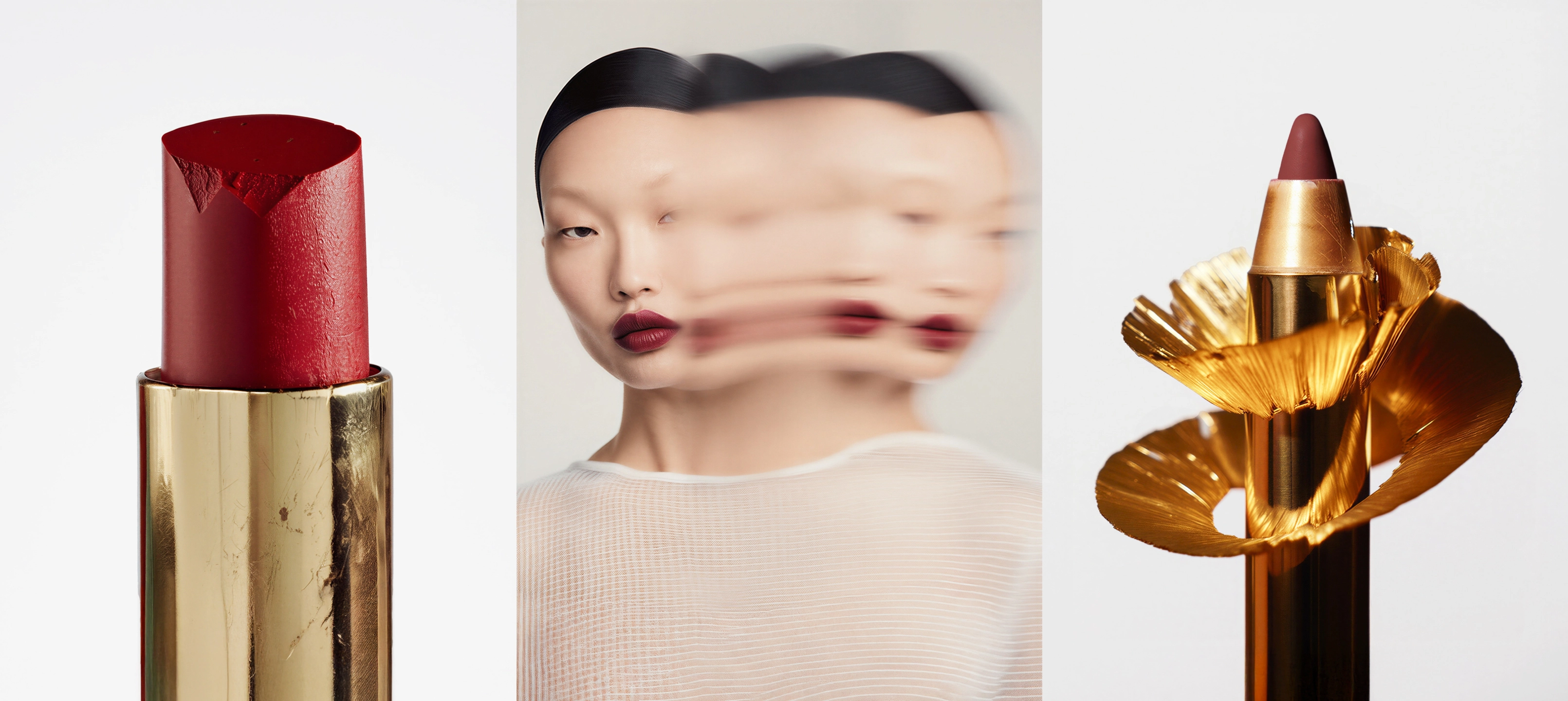
Beauty Patina, I / Bloom in Motion, I / Beauty Patina, III
How do those abstract inspirations transform into your own images?
I can inspire myself from anything. It could be from colors, it could be from images, and if I don't have images that I'm creating to nourish my reflection, I would craft them with AI to have a very precise vision of what I envisioned.
When you’re in the thick of it—creating, iterating, prompting—how do you know when you’ve found the "one"?
I always know when it's the right time to stop, even if I'm not really sure why. If I'm feeling unhappy about my creation, I’ll go and craft it all over and over again. So, when it's over, I just know it. I’m at peace.
Looking toward the future, what are you most excited to create or explore?
A few years ago, I didn't know that I would be able to create new tools like AI. I am most excited about learning new tools to create and to strengthen my projects.
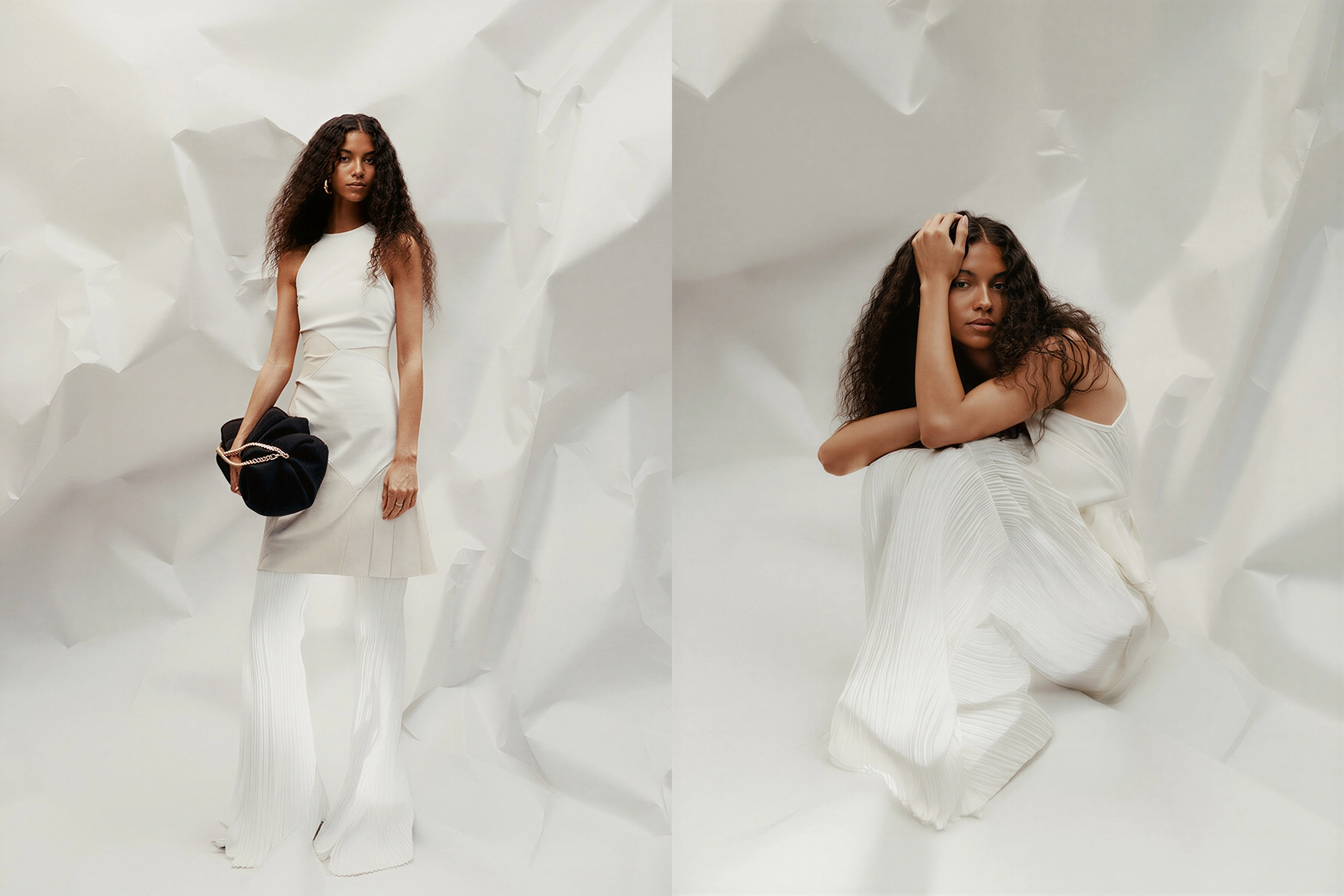
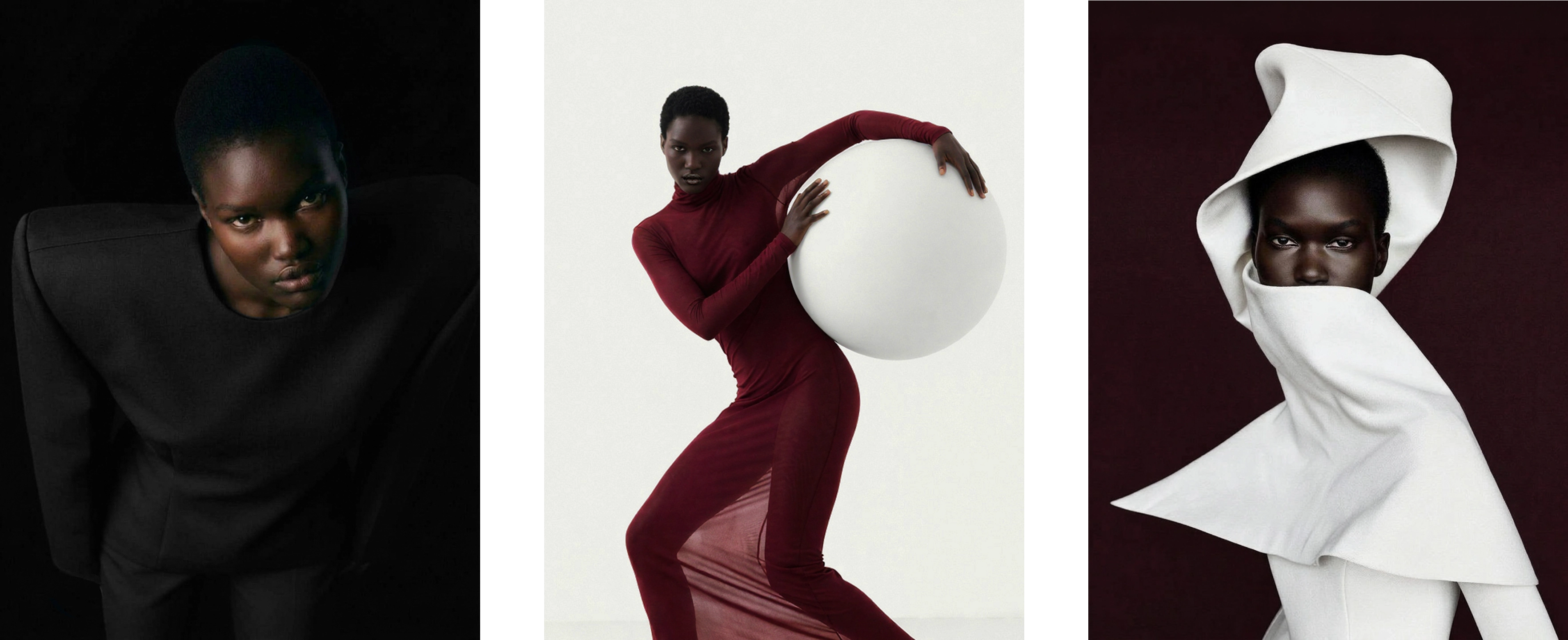
The Fold, I / The Fold, II
Alexia Sidibe is a creative director and brand designer and founding Creative Partner at Reve. You can follow her daily design practice on Instagram and on her online portfolio.