Visual Worlds for Web with Bernardo Lickfold
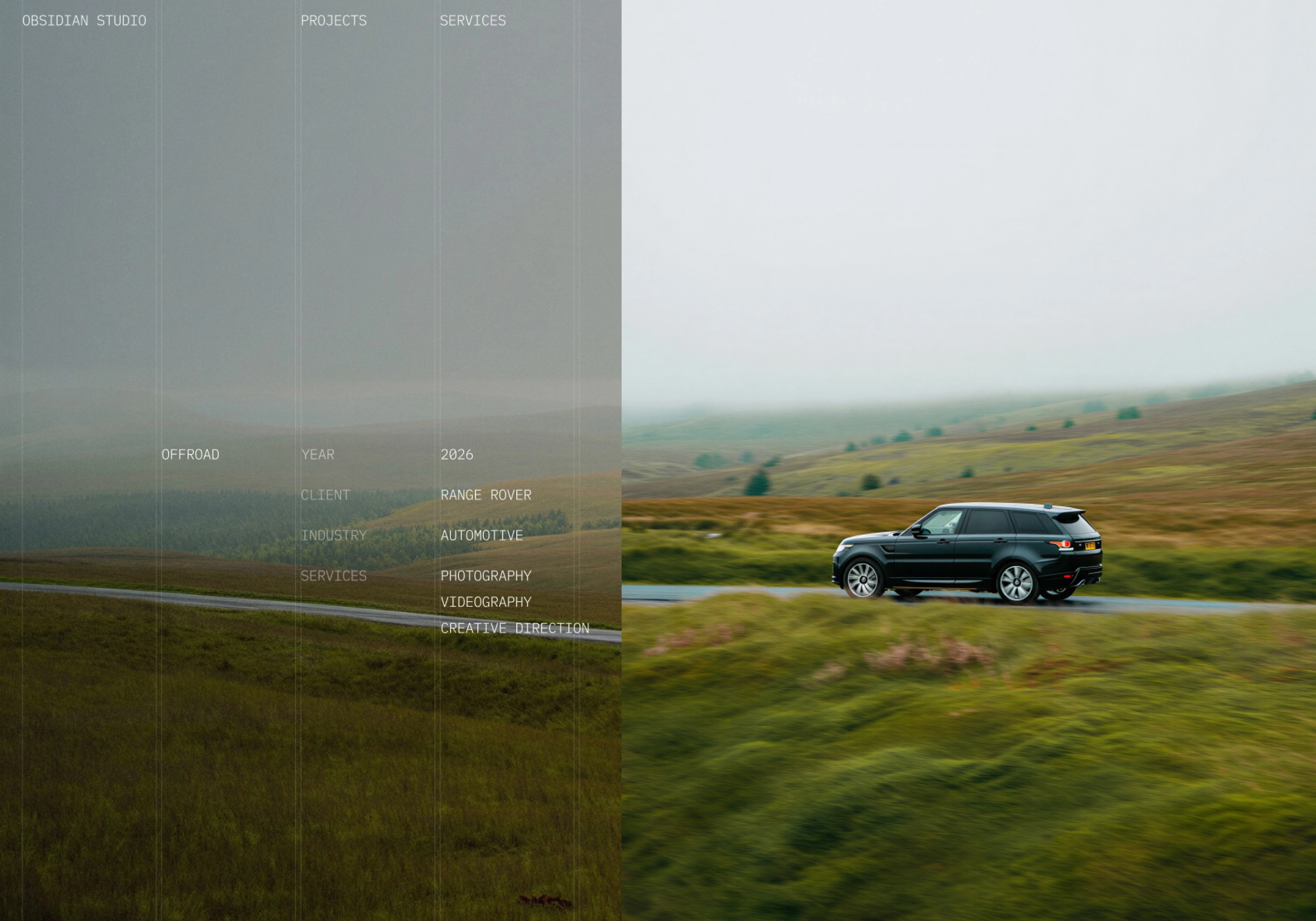
A website can now be spun up in an afternoon. Yet the feeling that brings a site to life remains the elusive, crucial heart of web design.
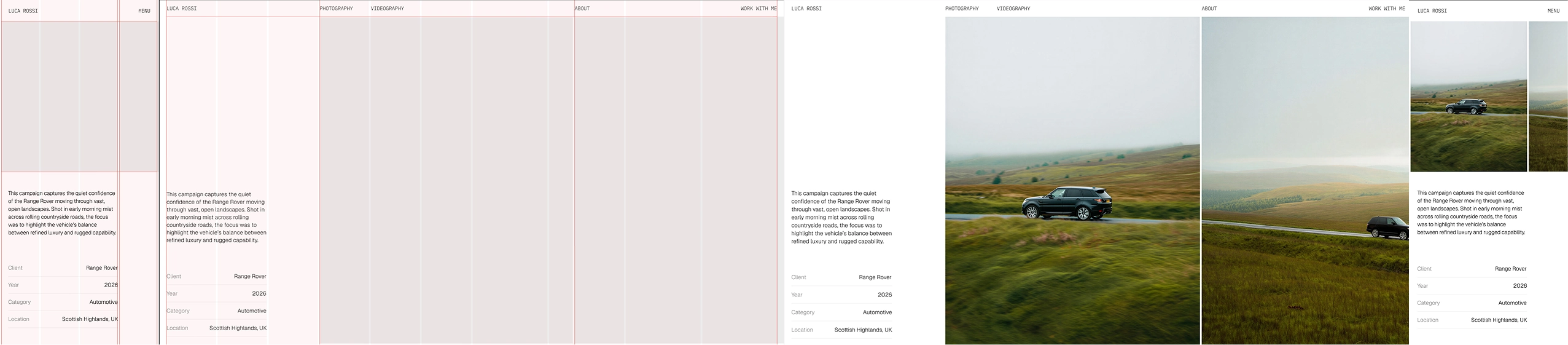
Traditionally, imagery was the final guest in the process. But Bernardo Lickfold establishes his visual worlds from day one. An industrial designer turned web designer, Bernardo allows the layout to be born from the image, integrated and responsive to its subject. With Reve, his lines now coexist with color, and wireframes come to life in the first draft.
“For a long time, design and image-making were separate: you designed the system, then you sourced the imagery. Now they’re converging. ”
We sit down with Bernardo to discuss how the philosophy of web design is changing, how client interactions shift when direction becomes something you can see rather than describe, and a current project that exemplifies this: a template populated by six fictional visual worlds, every image created from scratch in Reve.
Tell us about your creative work in web design. What drives your work, your inspiration, and your curiosity?
What drives me is simplicity. Making design feel effortless, even when a lot of thought went into it. I'm drawn to editorial work: strong imagery, clean grids, plenty of whitespace. When everything is working, the design disappears. Photography and motion take the lead, and the layout becomes a quiet system around them, present but unobtrusive, holding everything together without announcing itself.
I share most of my work publicly as explorations rather than finished client projects. That framing gives me a lot of freedom, to try things, to fail quickly, to follow what I find interesting that week.
Part of what keeps me curious is watching my own style evolve in real time. Because I share explorations publicly, I can look back and actually see the thread: how my eye for detail is sharpening, what I keep returning to, where things are quietly getting better. There's something clarifying about that. The public record becomes its own kind of feedback.
What have you brought over from industrial design?
Industrial design trained me to think about the whole system, not just the surface. You're always asking: how does this actually work? What does the person using this need to feel? That thinking carries directly into web design. Typography, layout, hierarchy, these are all functional decisions before they're aesthetic ones. The shift from physical to digital didn't change that discipline. If anything, it sharpened it. The constraints are different, but the rigour is the same and I brought more attention to structure.
“When everything is working, the design disappears and what's left is the feeling.”
How do custom images change your practice of web design? How does Reve help you communicate a visual direction to a client?
Images are often the first thing I decide on in a design. The layout, the type scale, the mood, a lot of that comes from the image.
Being able to generate exactly what I have in my head fundamentally changes how I work, as well as the types of layouts I create to enhance the image. And beyond that single perfect image, I can quickly spin up a few alternatives for the same section or layout, which opens up the conversation with the client and gives them something concrete to react to. More options, better feedback.
With clients, it's much easier to show than to describe. You can talk about "editorial" or "minimal" all you want, but the moment you put the right image in the right layout, the direction becomes clear immediately. There's less interpretation on their end, fewer revisions, and a much shorter path to alignment.
Posting daily means your process is public. What does it feel like to develop a visual language in front of an audience? What does that discipline do for your creative practice?
It creates a kind of productive pressure. When you know you're going to post, you have to finish something, even if it's small. That constraint forces decision-making. After failing to keep the streak a few times last year, I forced myself to commit properly and post everyday this year, and I haven't missed a single day since. That consistency has changed how I relate to the work.
I used to wait for things to feel perfect before sharing. I still struggle with that sometimes but you can't keep a piece in the drafts forever waiting for it to be perfect. I've noticed that when I hold something back, I look at it the next day and find things to improve anyway, so the waiting was pointless. Nothing is ever finished, it's just posted. That shift in mindset has been one of the more useful things the daily practice has taught me.
It's also become a genuine escape from client work. When you're deep in a brief and feeling creatively blocked, a quick exploration where you have total freedom, no constraints, and no approvals can reset everything. You remember why you liked this in the first place.
Over time I started thinking of my feed less as a portfolio and more as a space for process. People follow along with the exploration, not just the outcomes. A direction, a mood, a layout detail - that's enough. The daily practice has also made me faster at identifying what's working. You develop instincts that you can only get from volume.
Describe your creative workflow. Where does Reve live inside it, and why Reve? Any favorite Reve features and why?
For my design explorations, I usually start with an idea, a concept, a mood, sometimes just a photo style I stumbled across on Cosmos or Instagram that I want to chase.
The image comes first. I'll generate in Reve to get the visual established, and then the design grows around it. The layout, the type, the whitespace, all of that responds to what the image is doing.

I'll generate images in Reve to get the mood established before I think too much about the structural design.
Reve lives right at the beginning of that process, which is where the most important decisions happen. The reason I stayed with it comes down to realism. With other tools, the images would often look generated, you could feel it. With Reve, that gap closes. The images feel like they could have actually been shot, and in my style where the image is often the centrepiece of the whole layout, that difference matters enormously.
You're building six artist personas for your portfolio wireframes — each with their own consistent visual world. How do you construct a body of work from scratch? What do you keep consistent, and how do you iterate?
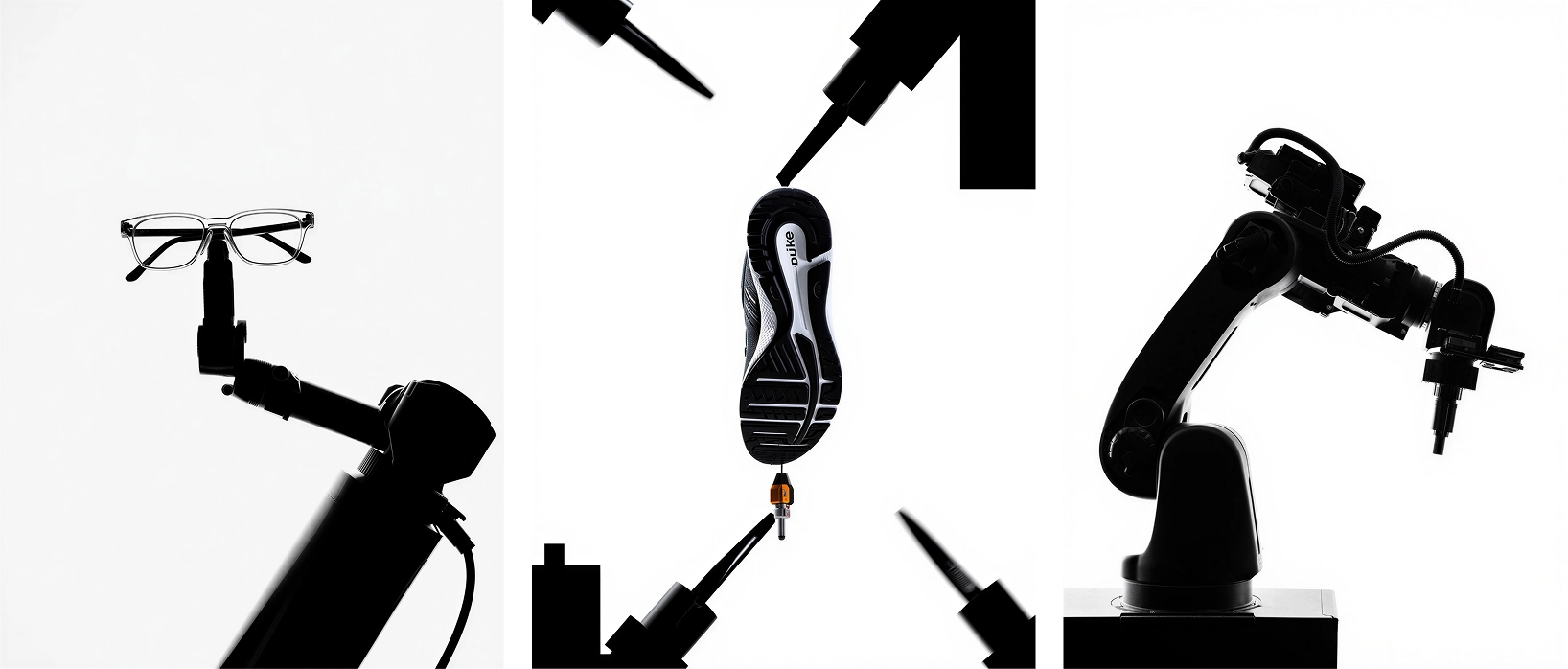
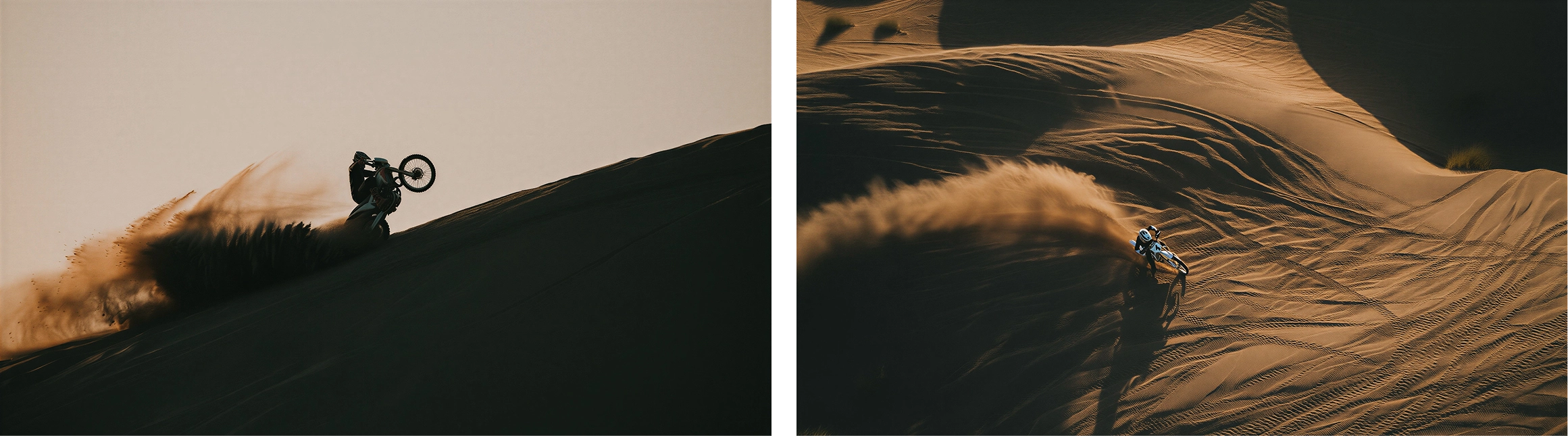
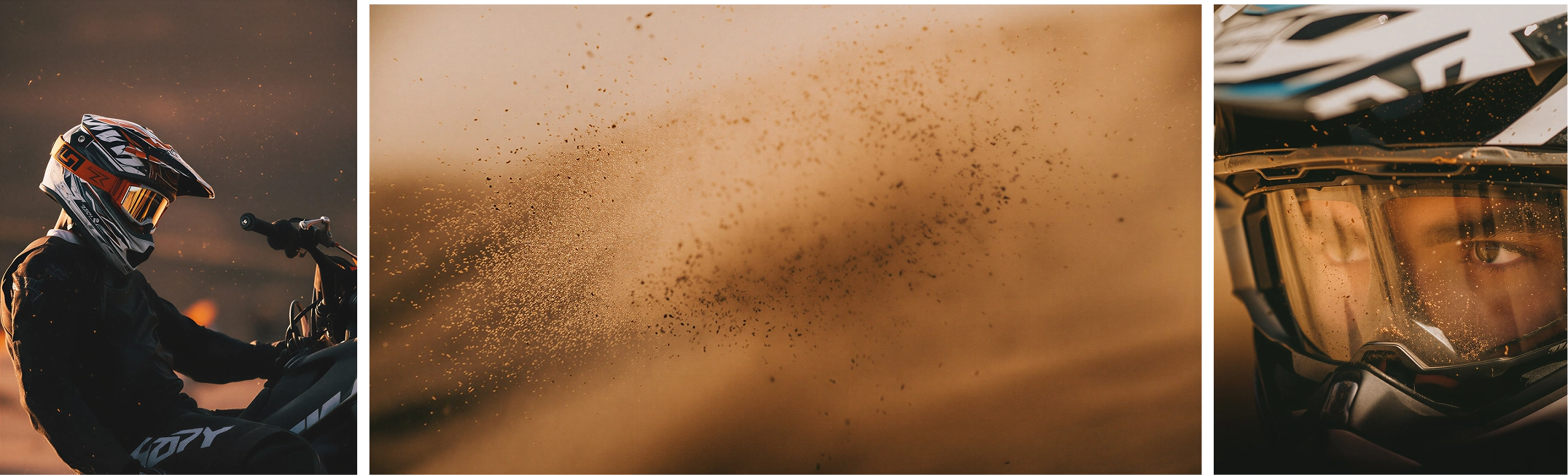
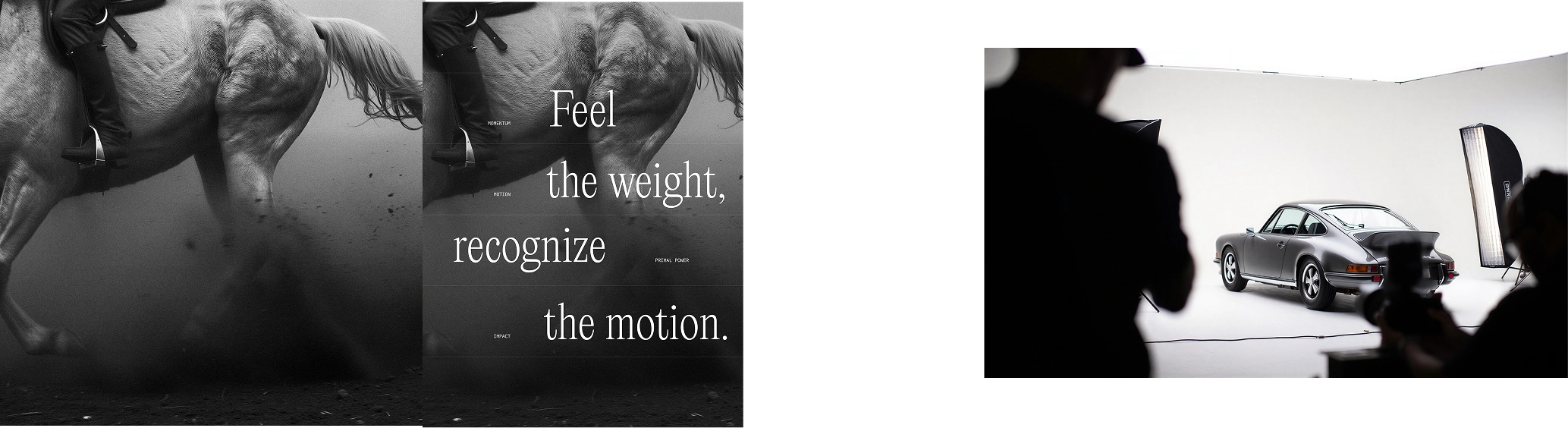
To give a bit more context on what I'm actually building, it's a Framer template for a visual studio specialised in cinematic photography and film. To make it feel real, it needs real work inside it, so I'm creating six fictional case studies from scratch: the concept, the client, the creative direction, and every single image and video, all generated with Reve.
Each case study has to feel like it came from a distinct project with its own identity. So I start with the concept, what kind of client is this, what's the world they live in, what does their visual language feel like? Once that's defined, everything else follows from it. The layout is the same across all six, but the images, the palette, and the mood have to make each one feel entirely its own.
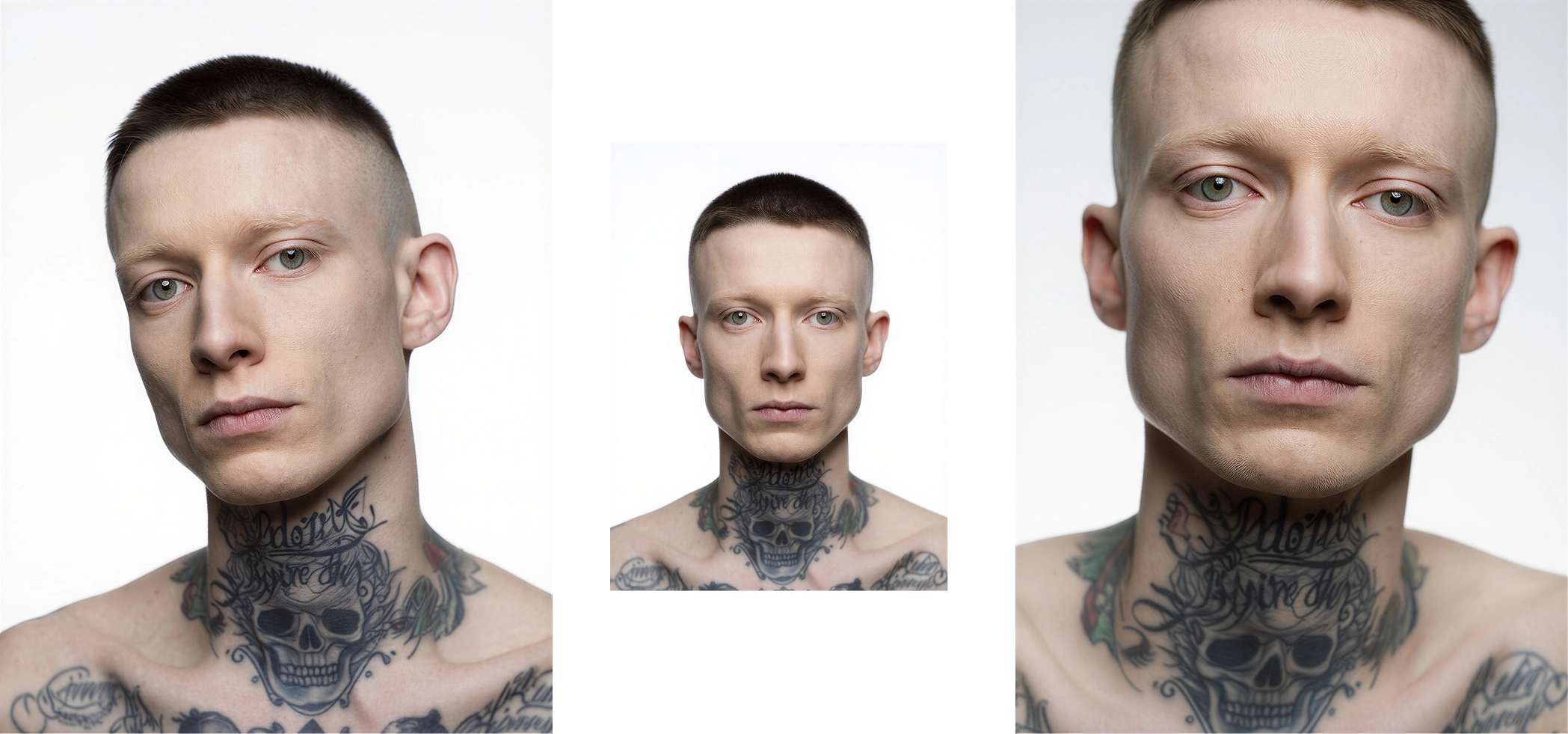
What I keep consistent within each case study is the mood. Not a rigid set of rules, but a sensibility. Two images can be completely different in subject and composition and still feel like they came from the same shoot. That's what I'm always chasing.
Reve is essential to the whole thing. Without the ability to generate images that look genuinely photographic, the fiction doesn't hold. The case studies need to feel like real campaign work, and looking at the results, they do.
What are you most looking forward to in the future of web design, and in your own personal practice?
I'm excited by the space that's opening up between design and image-making. For a long time those were pretty separate: you designed the system, you sourced the imagery. Now they're converging, and that changes a lot. I want to be clear though, I don't think these tools replace photographers or videographers. I don't believe that, and I don't think that's where this is heading. But they will need to start incorporating them into their workflow, especially in the direction and shot planning phase. And from the designer's side, it opens up real possibilities: sometimes you don't have the budget to commission a photographer, but you still need visuals that feel intentional. Or you do hire a photographer, and now you can actually show them the direction, the framing, the mood, the light, rather than trying to describe it. That's a meaningful shift.
In my own practice, I'm trying to stay curious about what's emerging. I've been exploring tools like Claude, not just to keep up with what's happening, but to genuinely see where they fit in my workflow. Whether that's quickly building out a concept for an exploration, helping structure a client process, generating a website preview to iterate on together, or eventually delivering an actual final product. I'm still figuring out where the edges are, but that's the interesting part.
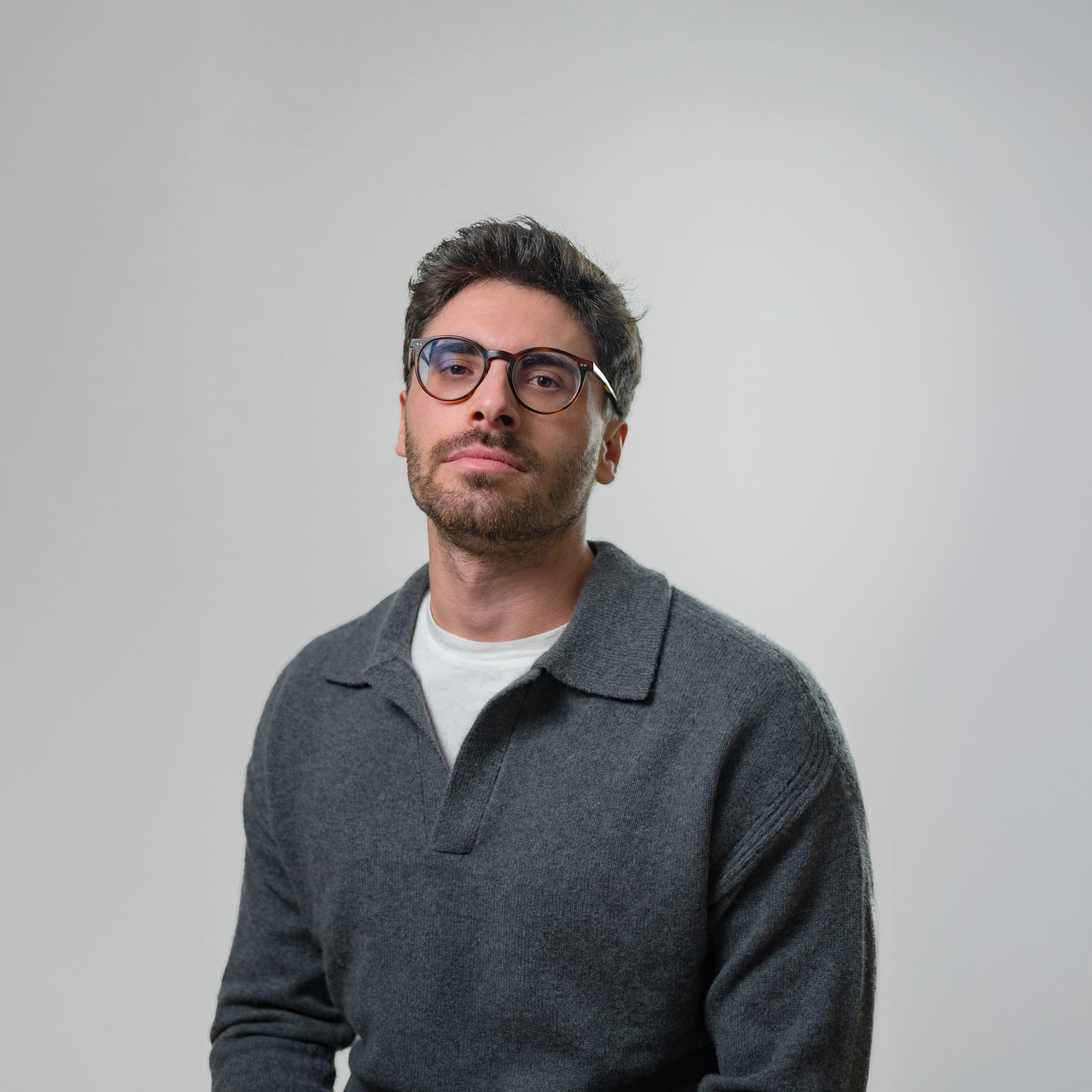
Bernardo Lickfold is a web designer and founding Creative Partner at Reve. You can follow his daily design practice on X.