Shaping the Future of Filmmaking with upperfast
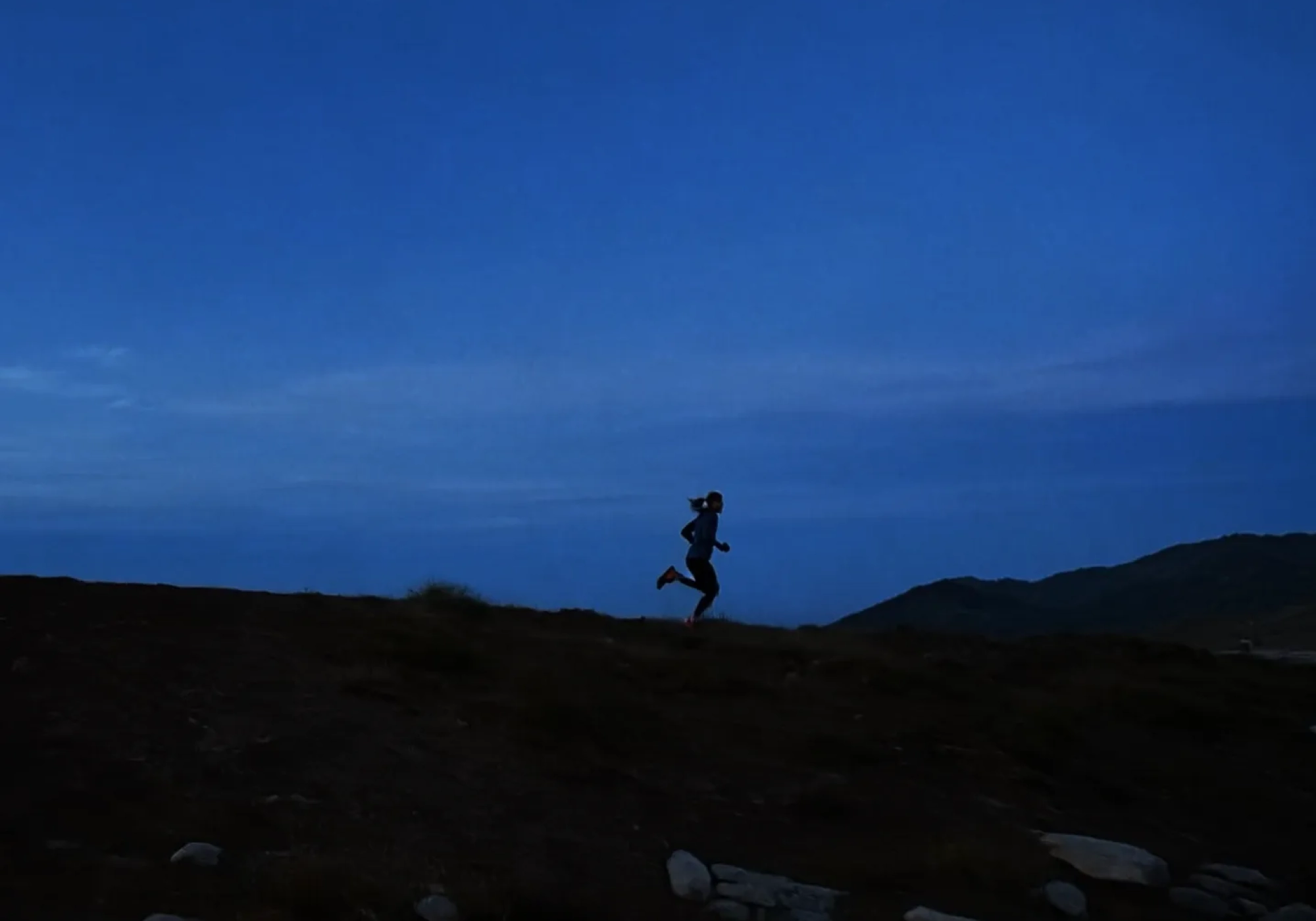
In the rapidly evolving landscape of filmmaking, production company upperfast is navigating the frontier where human vision and artificial intelligence intersect. Their latest project, Runners High, uses bold, dynamic imagery to craft a powerful visual narrative. We sat down with the team to discuss their creative philosophy, how they integrated the AI tool Reve into their workflow, and why the future of filmmaking is about collaboration, not replacement.
Tell us about your creative work at upperfast. What drives your inspiration and sparks your curiosity?
Our main drive is to find new ways to tell stories and create visually compelling worlds. We're constantly exploring how technology can expand our creative toolkit, not to replace traditional methods, but to augment them. Curiosity is at the core of what we do; it’s about asking "what if?" and then finding the right tools to bring that vision to life, whether it’s a camera, a light, or an AI.
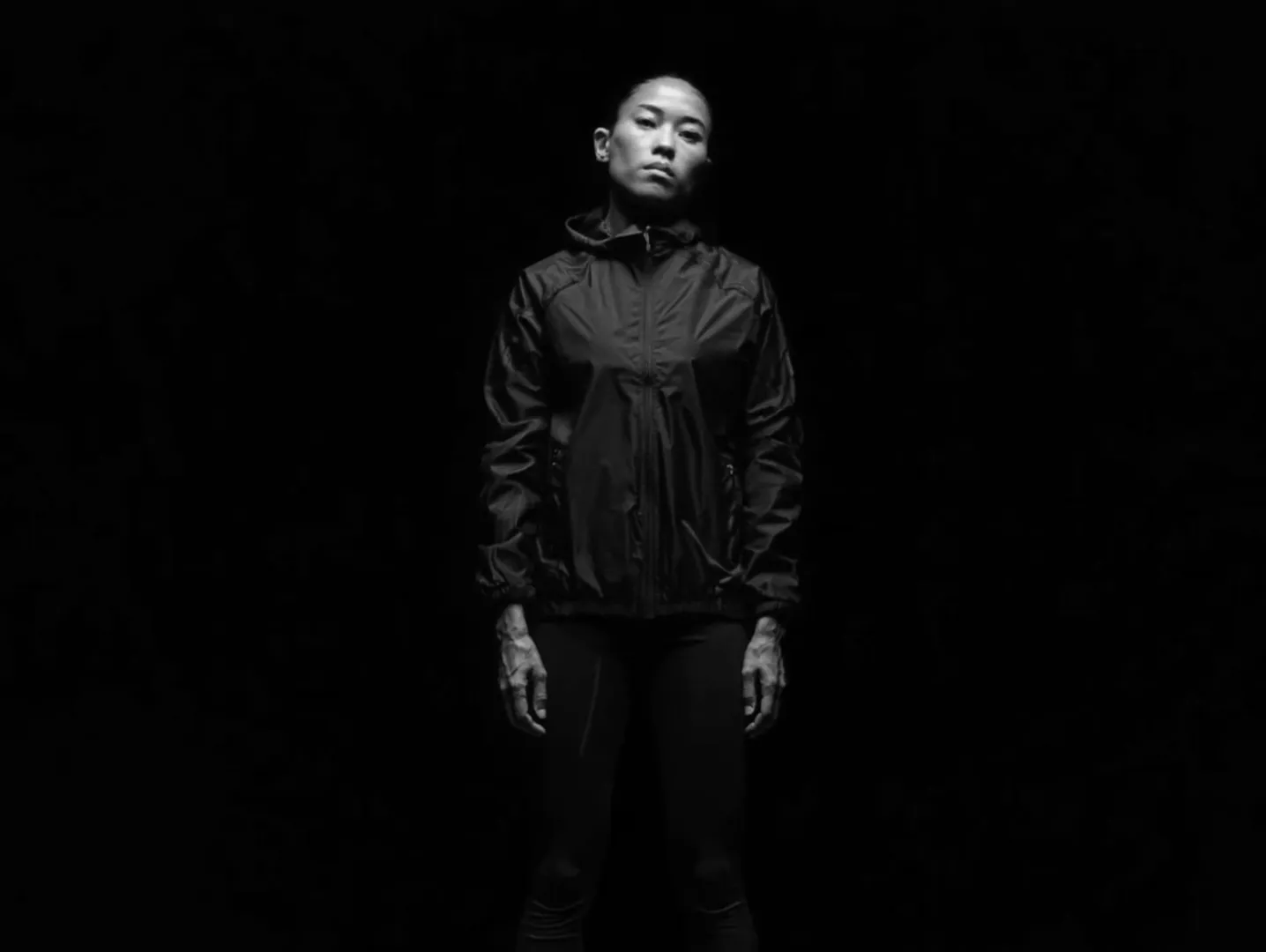
As filmmakers, how have you brought AI into your creative workflow? How does Reve support this process, and what are its strengths?
For us, AI is a tool, never an end in itself. It’s here to support the craft of filmmaking, not displace it. We are still making a film in the traditional sense; the tool remains ours, and we decide precisely when and how to deploy it.
Where Reve really stands out against other AI platforms is its organic look. It has a cinematic quality that feels less generated and more art-directed. The latest version gives us incredibly precise control over perspective, content, and detail, which is a game-changer. It’s not about just making everything with AI, but about efficiently choosing the right path for a specific idea. In that sense, Reve supports the entire pipeline—from the initial creative process and look development to delivering high-quality, visually stunning images.
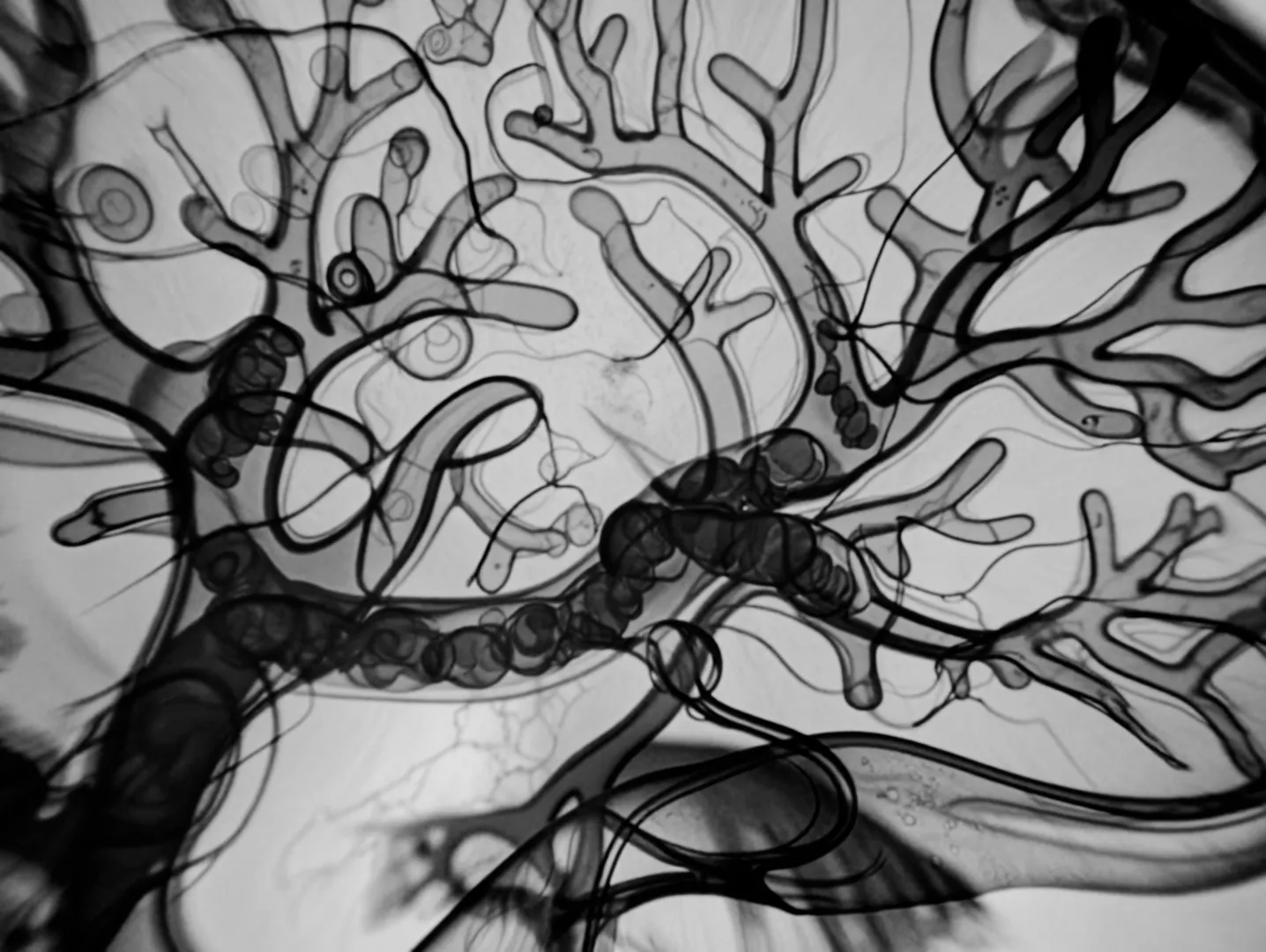
“The key is that AI supports the creative process—it doesn’t dominate it.”
In Runners High, you capture a strong visual language through bold imagery. What did it look like to create and iterate behind the scenes?
Our goal was to generate shots that felt as if they could have been captured on a real set. We wanted to maintain a sense of grounding and believability. The process of prompting was a fascinating dichotomy between control and letting go. It was a constant balancing act.
In a strange way, it was reminiscent of directing actors or communicating with team members on set. Sometimes, misunderstandings or the AI’s freedom in interpretation led to unexpected results that sparked entirely new avenues of inspiration. We also used Reve for mood research—you can ask it for creative suggestions, and it will offer looks and concepts that can push the project in a new direction.
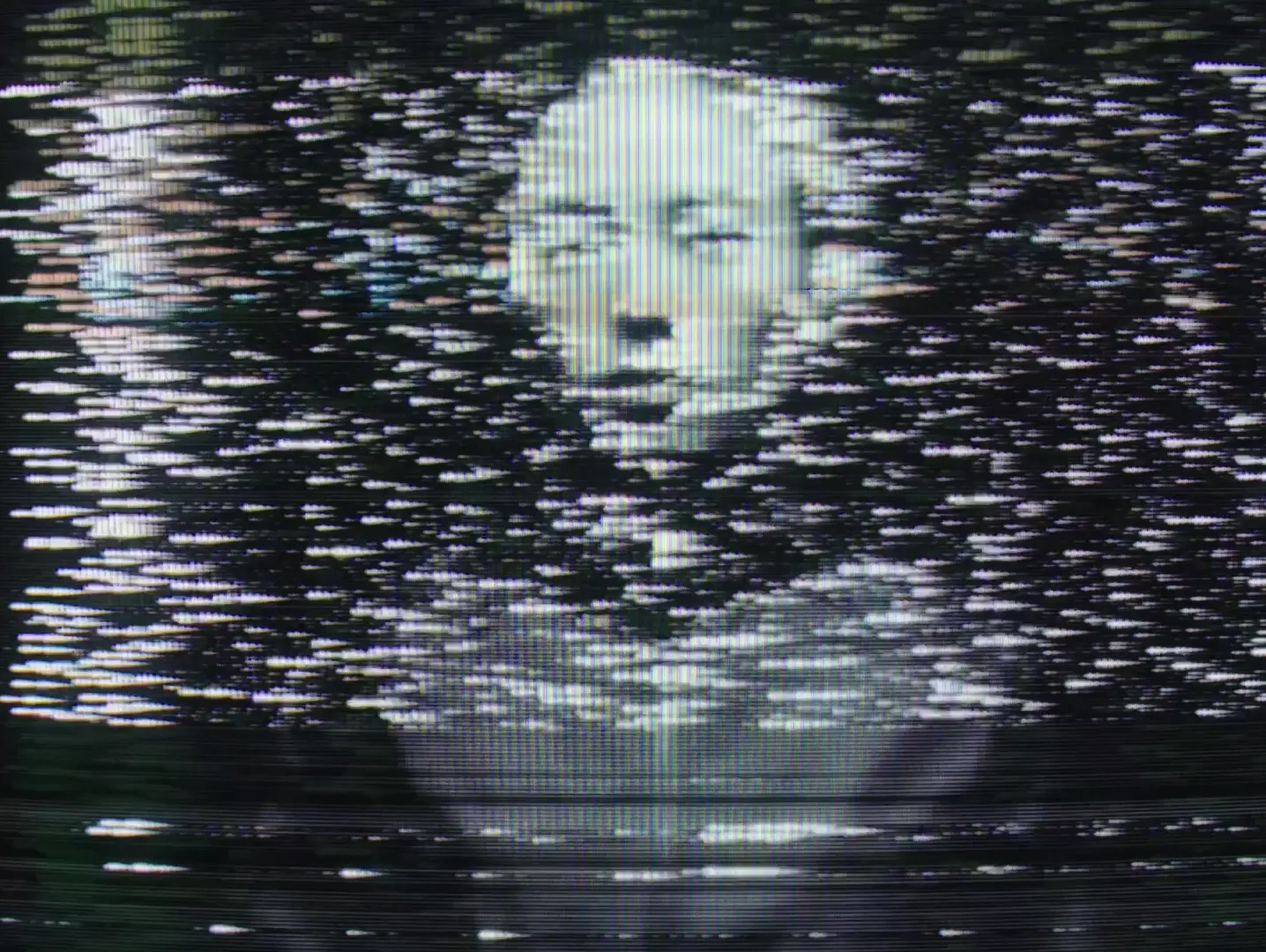
“Prompting was a fascinating dichotomy between control and letting go.
How do you see the future of filmmaking changing with AI? What are you most looking forward to?
AI is opening up creative spaces that were previously constrained by budget or time. It also unlocks opportunities for more experimental and avant-garde projects that might have been too risky or expensive to produce before.
When you can determine the exact angle of a scene and the specific nuance of its light at any time, AI transforms from a toy into a serious, professional tool. The future of filmmaking lies in openness—in the willingness to try new tools without losing sight of the foundational craft and the cinematic core of our work. The most exciting developments will happen where AI is combined with live-action footage, not as a replacement for it, but as a powerful extension of our cinematic possibilities.
Reimagine anything at reve.com

Credits
- Production: upperfast (@upperfast.de)
- Director: Paul Peschke (@alexander.peschke)
- Executive Producer: Jacob Burckhardt (@jlburckhardt)
- Cinematographer: Leon Hörtrich (@leonhoertrich)
- Glitchography: Sebastian Ganschow (@sebastianganschow)
- Music: Wolfsrudel Music (@wolfsrudelmusic)
- Sound Design: Abdourrahman Benaroub (@maniaque_nocturne)