Dreams with Gaël Baldy
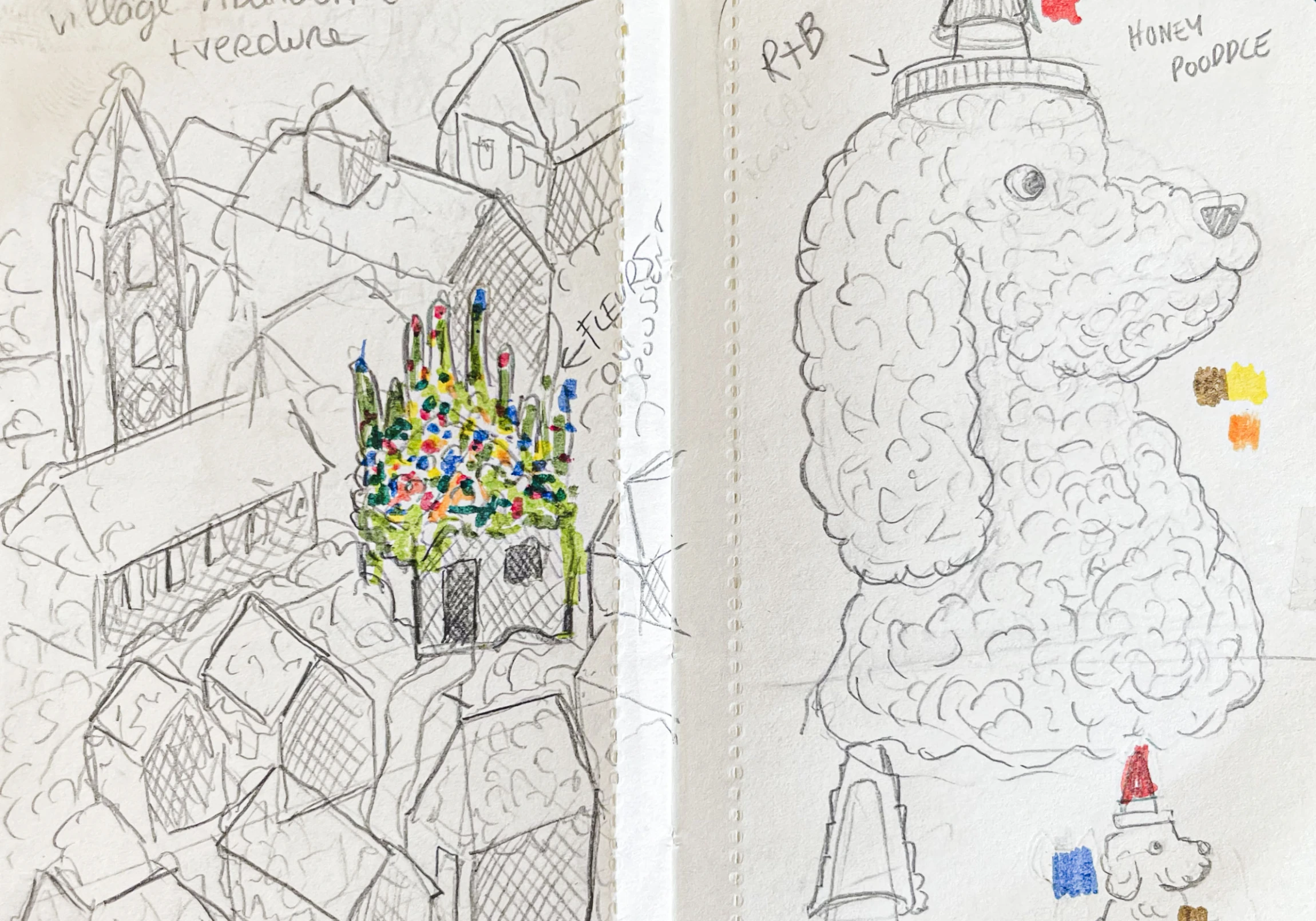
Gaël Baldy's notebook pages — the overgrown village drawn the morning after the dream, and the first honey poodle.
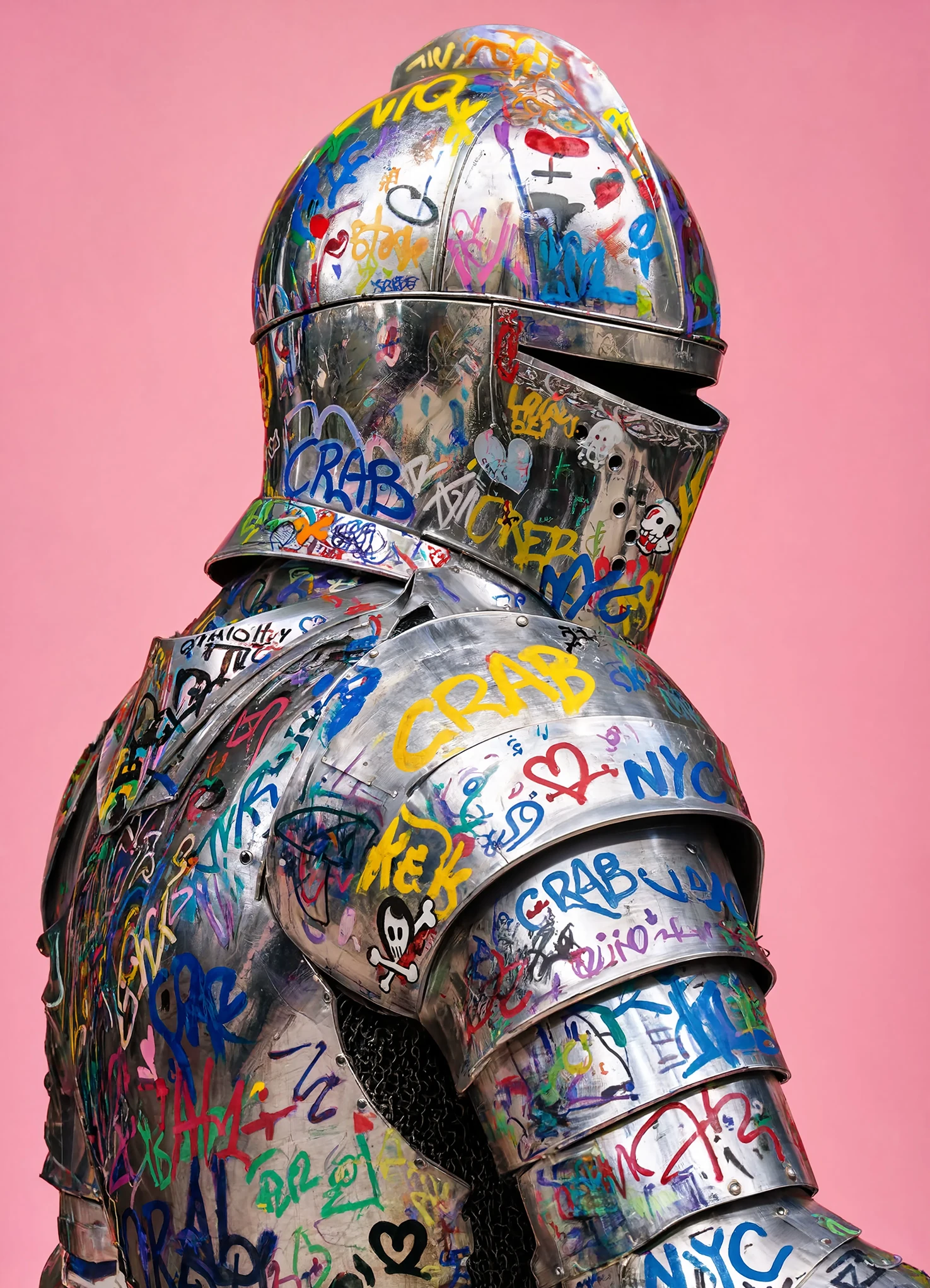
There is a quiet persistence to the ideas we hold onto: the 4 a.m. dream fragments and stray sketches tucked into notebooks because they felt too complex, too absurd, or too fragile to ever build. For French art director and generative AI consultant Gaël Baldy, those long-dormant notes became the anchor for his Reve Contest-recognized series. Bringing a refined eye shaped by twelve years in luxury, culture, and travel, Gaël builds a cabinet of curiosities where delicacy sits alongside a subtle edge: an abandoned village swallowed by ivy except for a single flowering house, a knight in graffitied plate armor, and amber honey bottles shaped like poodles and hedgehogs.
Here, Gaël breaks down the dream journal behind the series, and what happens when the distance between a fleeting thought and a finished image completely vanishes.
Can you introduce yourself and your background?
GAËL: I'm Gaël Baldy, an art director based in France. I spent twelve years as an AD across culture, luxury and travel, three worlds with very different rules, which taught me two things: how to hold a brand's visual language, and how quickly a good idea dies between the sketch and the execution.
In 2023, the moment diffusion models became good enough to sit inside a real creative workflow, I went in head first and never came back. Today I work as a generative AI consultant for major groups and luxury houses. My job is to push these models to their limits and turn what I find into usable methods for creative teams: what the model actually rewards, where it breaks, how to get a finished image instead of a lucky one.
I still draw. I still make things with my hands. The models simply removed the distance between the idea and the image.
What was the inspiration behind the series?
GAËL: I keep notebooks. Have done for years. Fragments of graphic design, contemporary art and photography I love, but mostly ideas I never expected to build: images too complex, too absurd, too expensive to ever produce. Dreams I wrote down at 4am because they were strange and beautiful and I didn't want to lose them.
A honey bottle shaped like a dog. In the dream it wasn't a bear, it was a poodle, and I still don't know why. An abandoned town where a single house is in bloom.
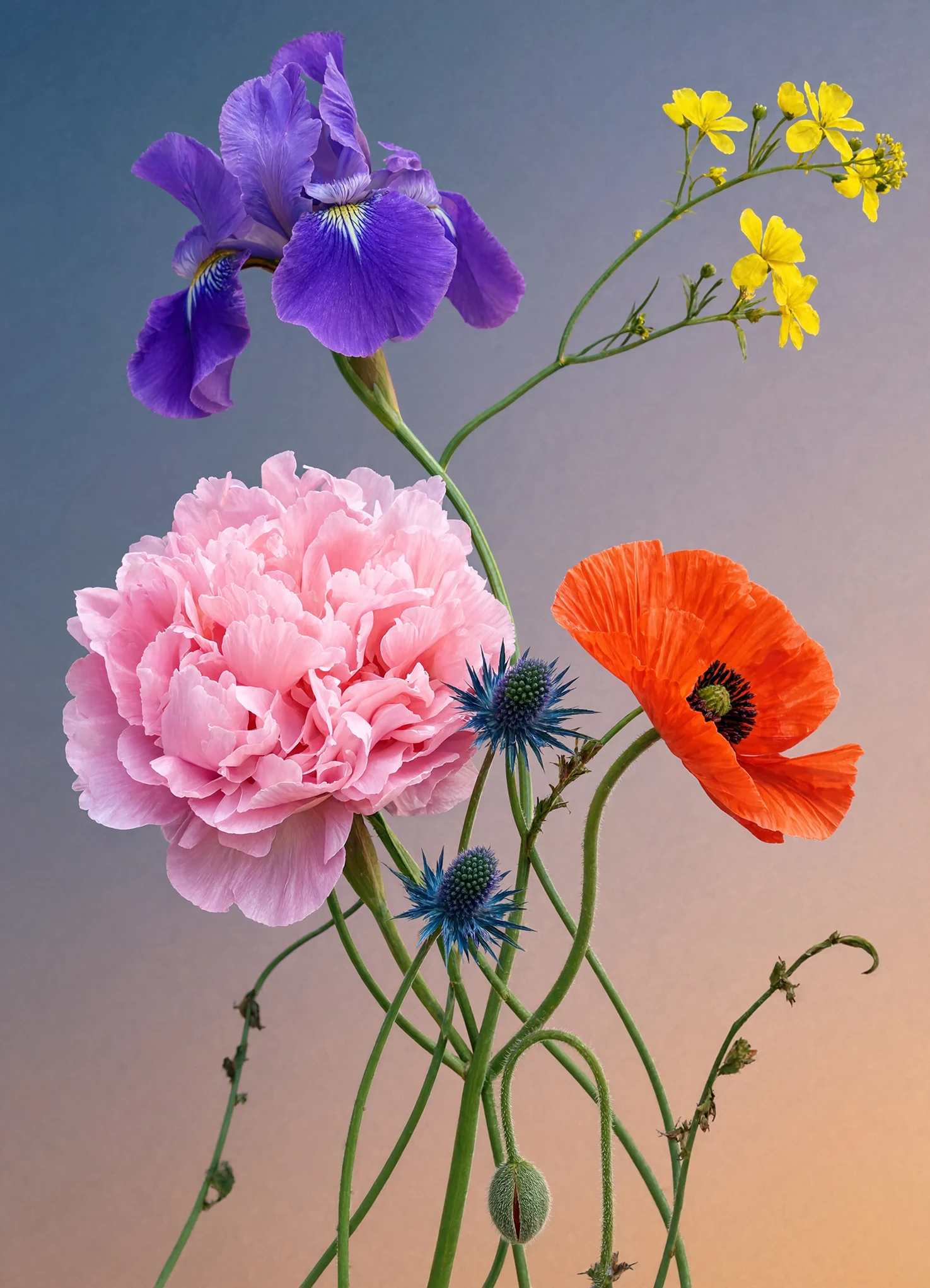
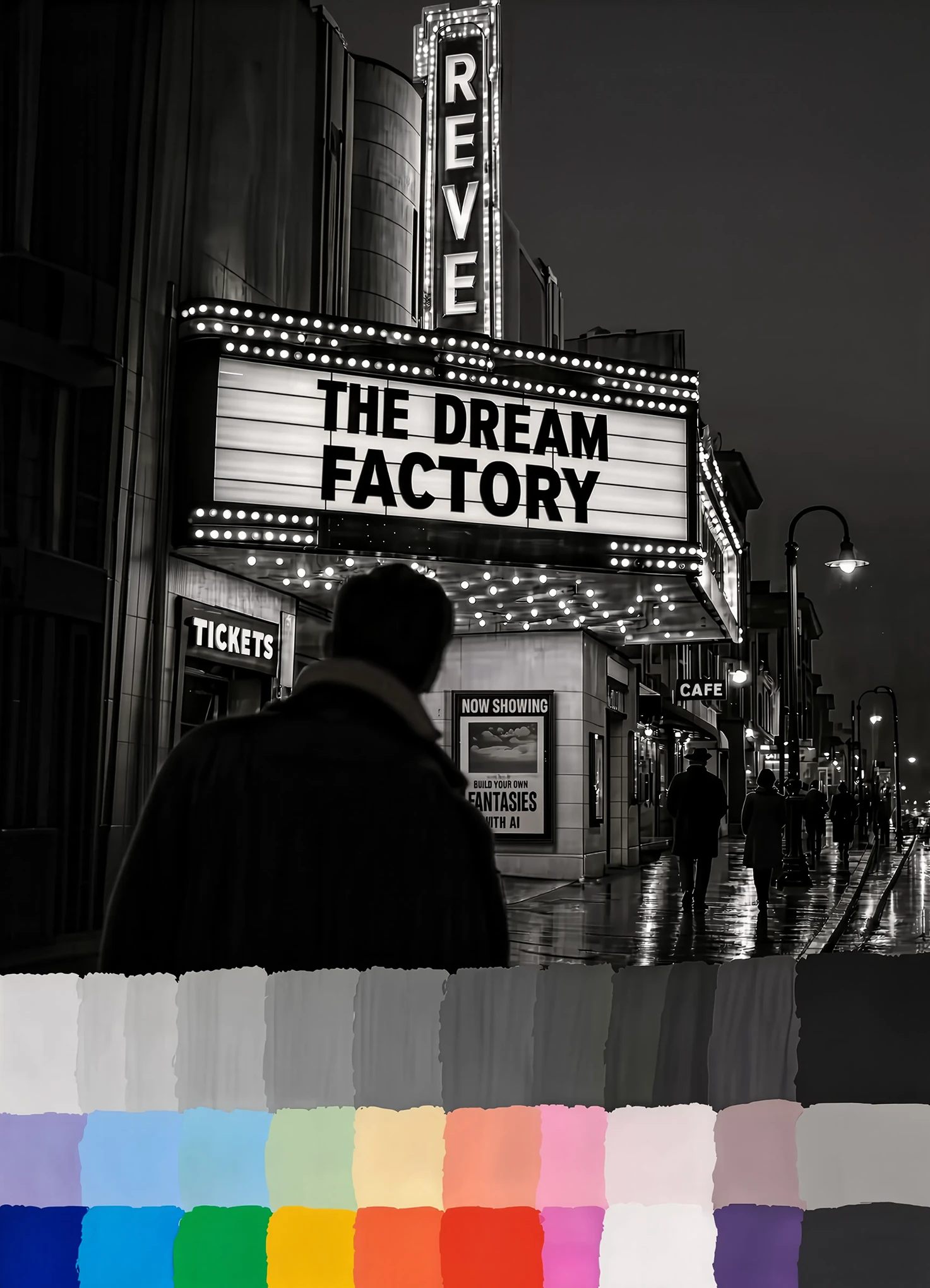
The thread running through all of it is poetry sitting inside something slightly wrong. Delicacy with an edge, an image that stays enigmatic. I think of the series as a small museum of strangeness, each piece treated as a work in its own right.
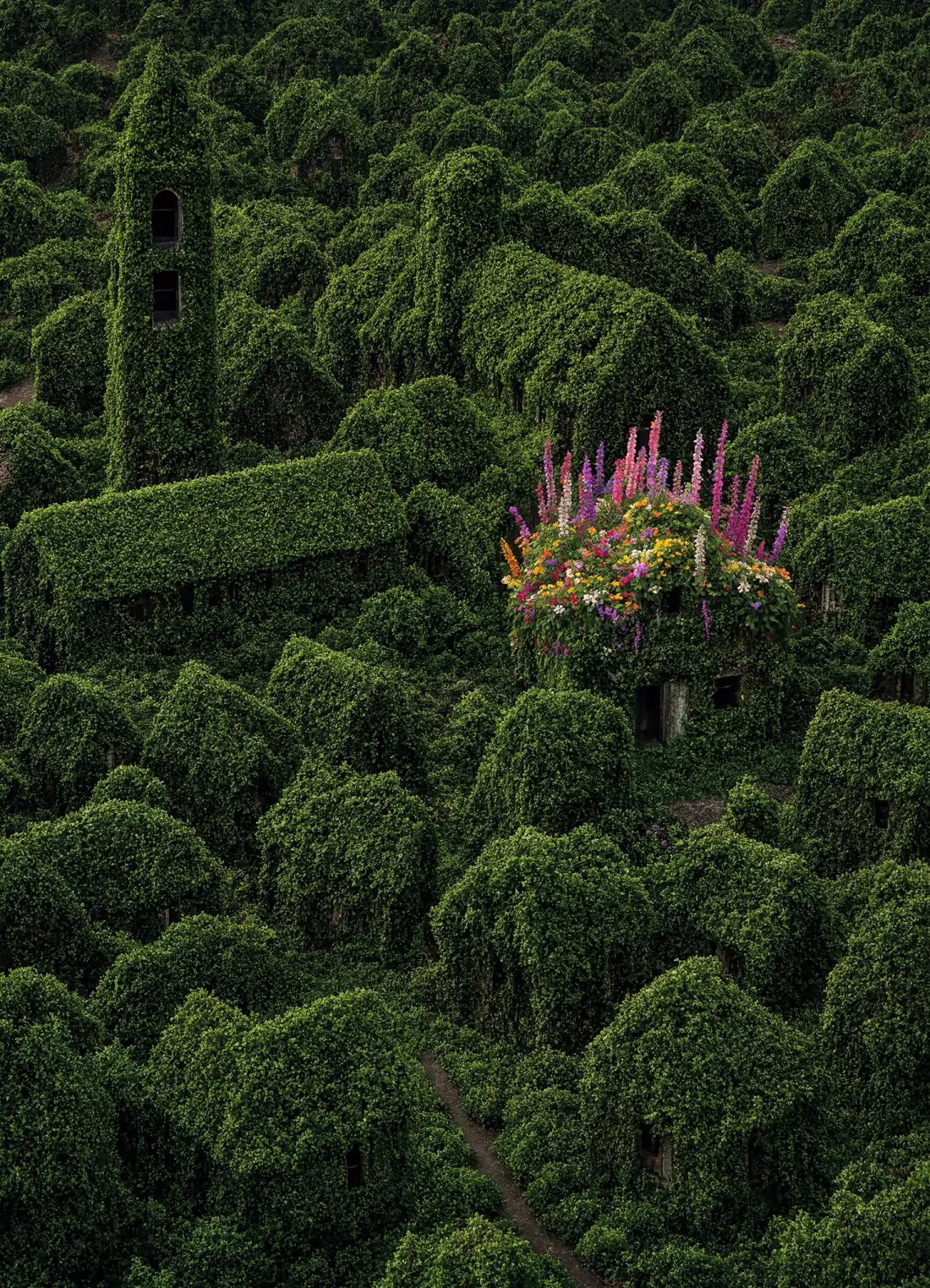
Can you walk me through the story of one single image within this series?
GAËL: This one comes from a dream. There was a period where I kept a dream journal and turned the fragments into small sketches, ideas to file away. This image is one of them: an abandoned village slowly being swallowed by vegetation, probably seeded by a documentary I'd watched about abandoned towns around the world.
One house stayed with me. In the dream, every house I'd wandered through was silent and empty, and none had flowers, this one did. That single difference made it strange, and for some reason quietly menacing, enough that I kept my distance and watched from far away.
The sketch I'm attaching is the one I drew the next day, so I wouldn't lose the image.
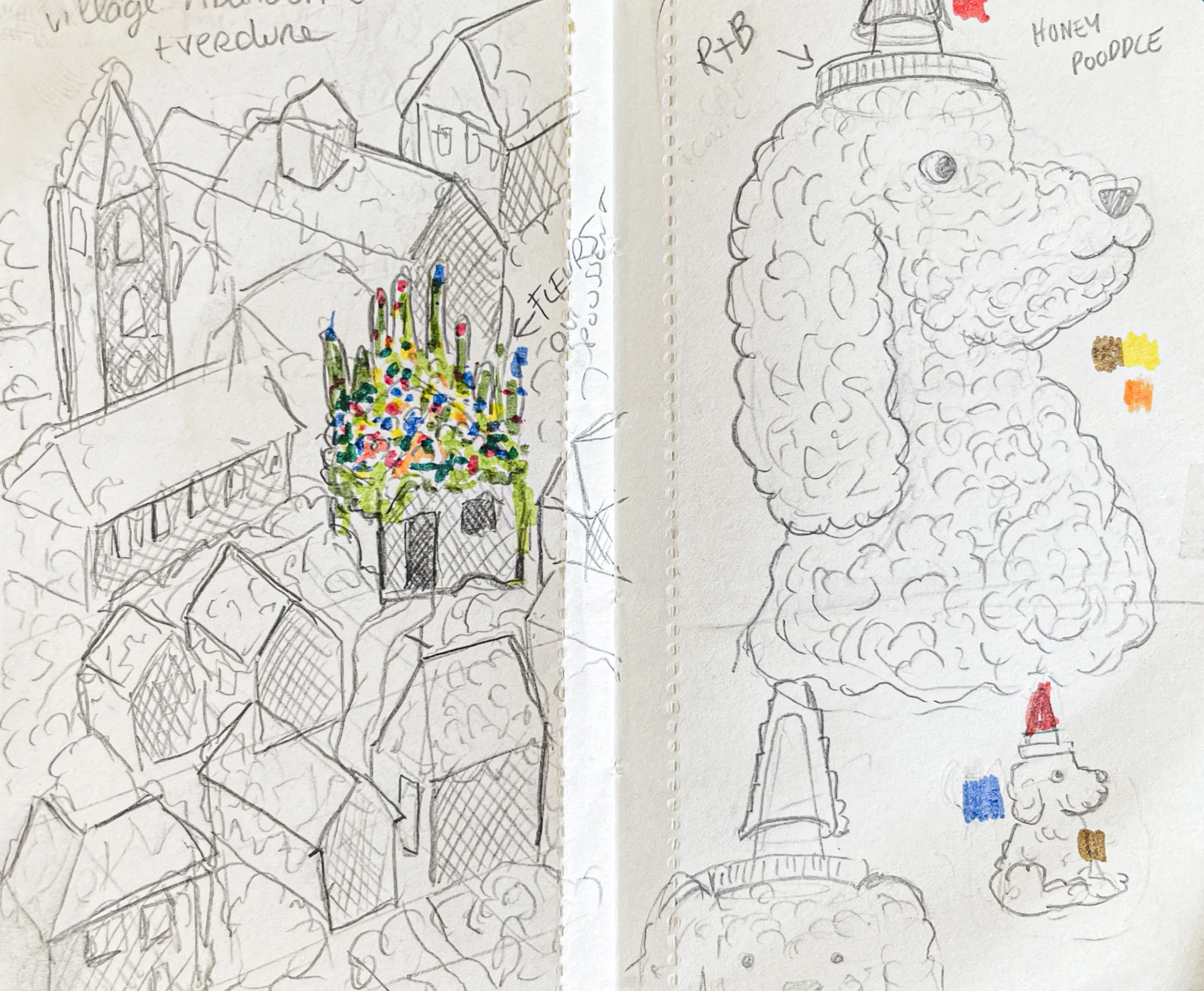
The original notebook pages — the village drawn the morning after the dream, and the first honey poodle.
What did your creative process with Reve look like?
GAËL: Six of the ten images came straight from those notebooks. Ideas that had been waiting years for a tool that could reach them.
The other four came from pure spontaneity. "That could be interesting", and I follow it.
The most interesting moments are the ones I didn't plan. Reve would step off the line my prompt had drawn, and what came back was better than what I'd asked for. So I'd chase that instead: iterate, sharpen, follow the new idea. That's where it stops being direction and becomes co-creation with the model.
The last mile is where I'm most demanding. I hunt the glitches, correct locally, and keep pushing until the image holds up. My rule for this series: everything had to come out of a single model, clean, straight out of Reve, with no Photoshop pass. That constraint is exactly what made it worth doing.
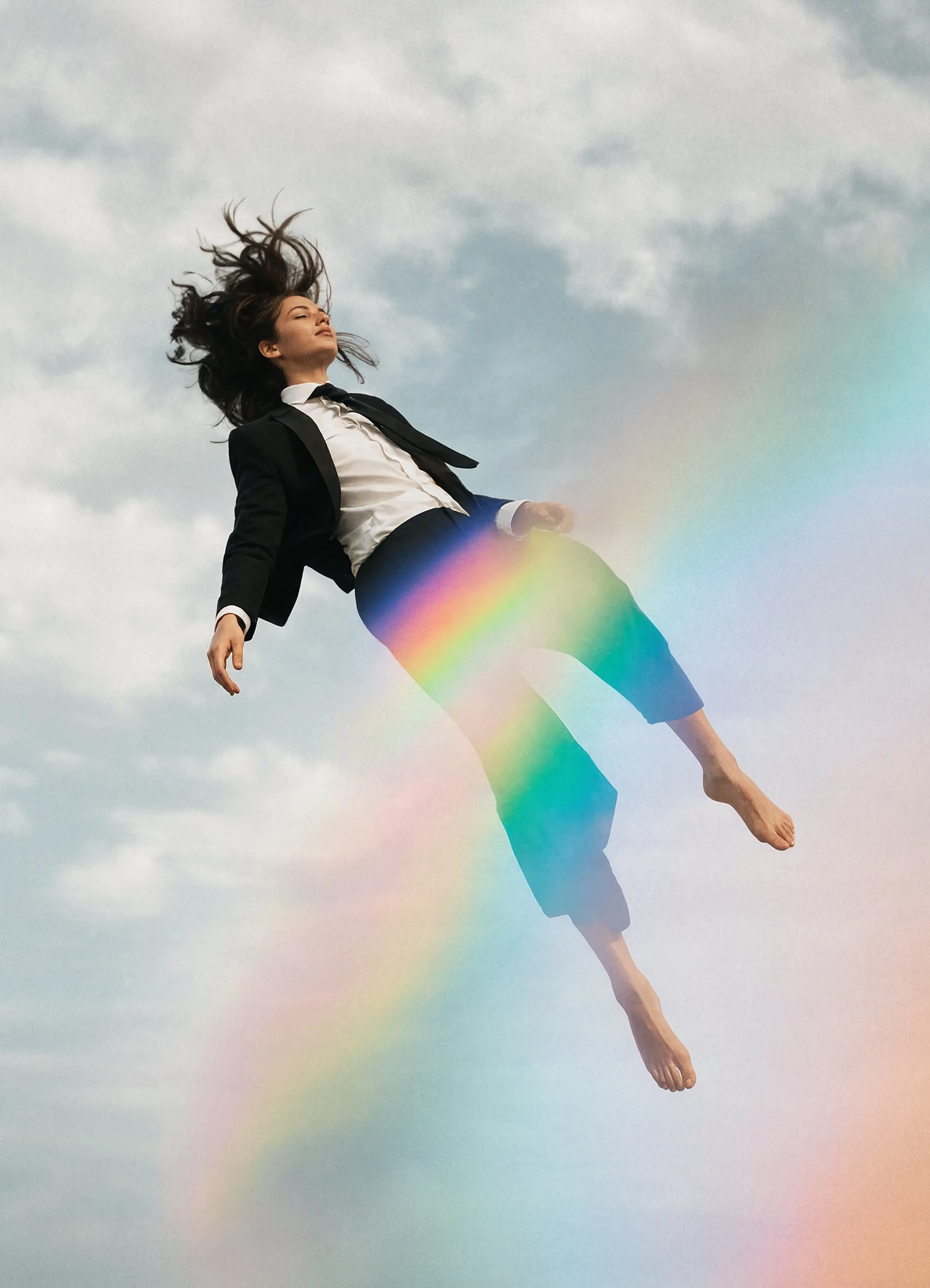
What does Reve let you do that other tools don't, in your own words?
GAËL: For me, Reve sits in a really interesting in-between. On one side you have tools with tight, pushed prompt adherence, where the model does more or less exactly what you ask. On the other, the stochastic variability of a diffusion system, where the tool surprises you. Reve is the sweet spot between the two: precise enough to hold onto an idea, loose enough to keep exploring.
That's exactly where it shines for me. Models with strong prompt adherence give you almost no variation once the prompt is already on a precise concept, you only get variety out of them by staying vague, which means letting go of the very thing you wanted. Reve holds the precise concept and still lets the form drift, just lightly, and that lightness is what makes for genuinely beautiful variations. You can see it in the attached series, which I titled "A Sweet Bestiary": the iconic American honey bear, drifting into one creature after another.
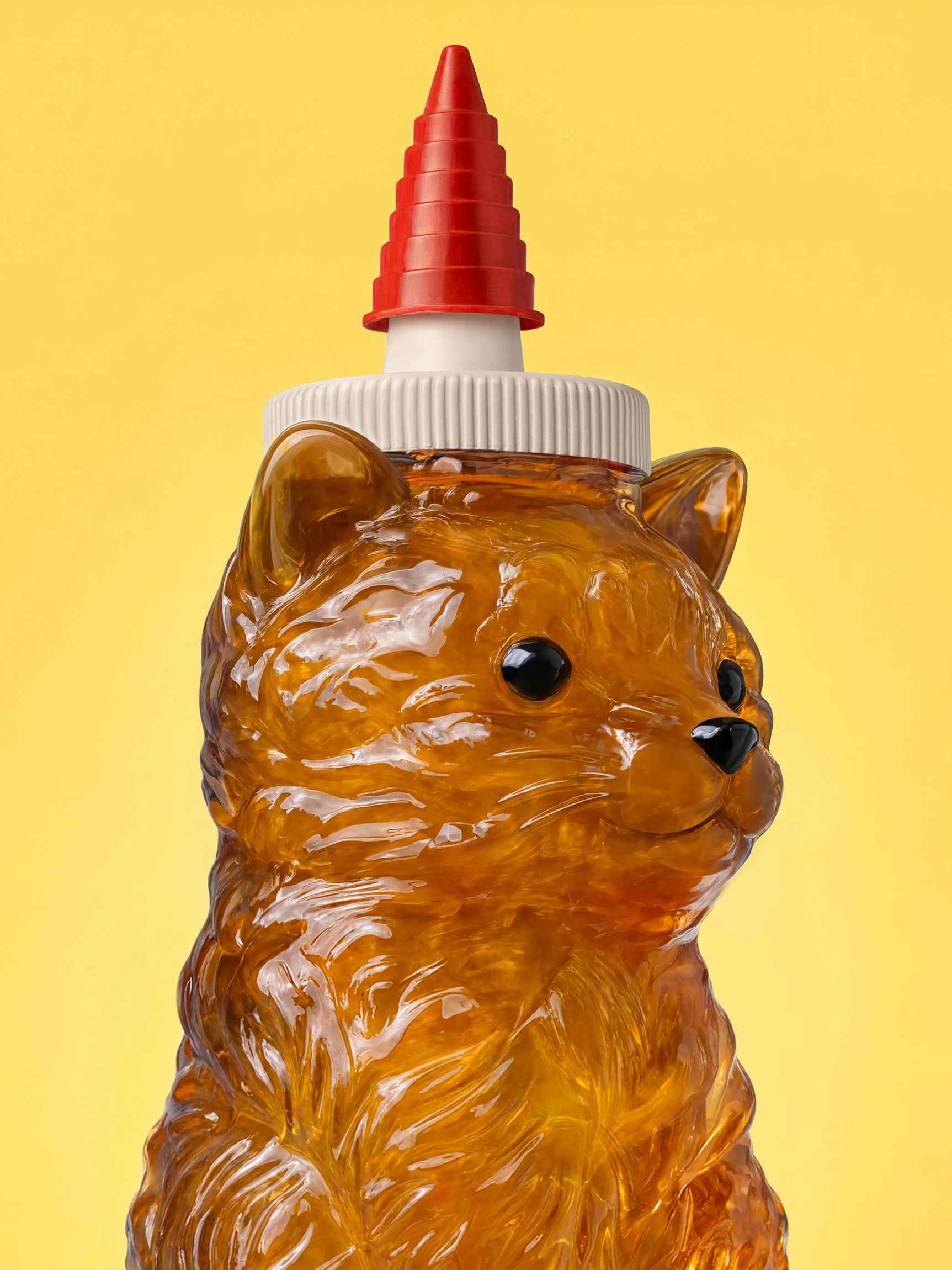
Tom
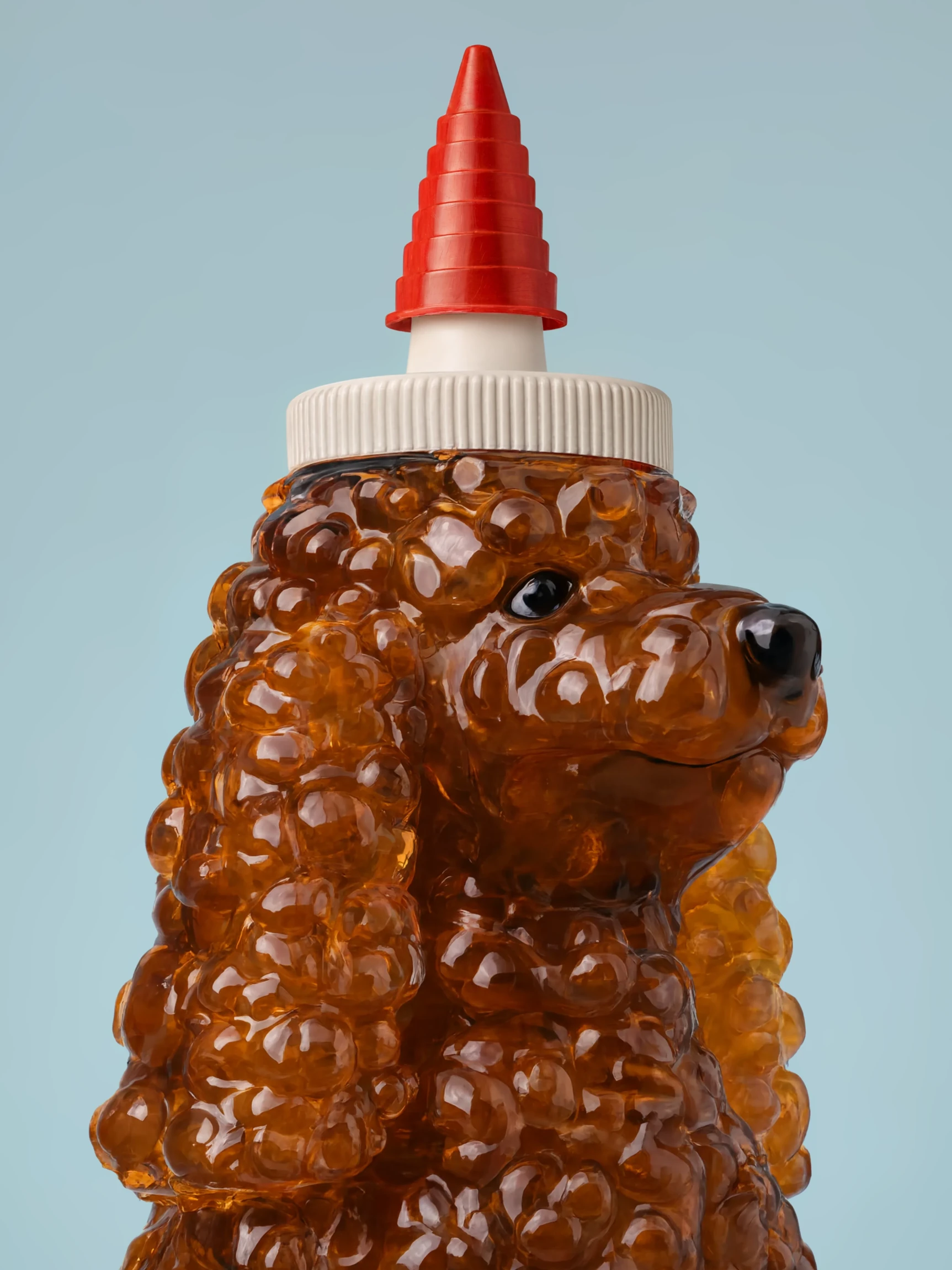
Arnold
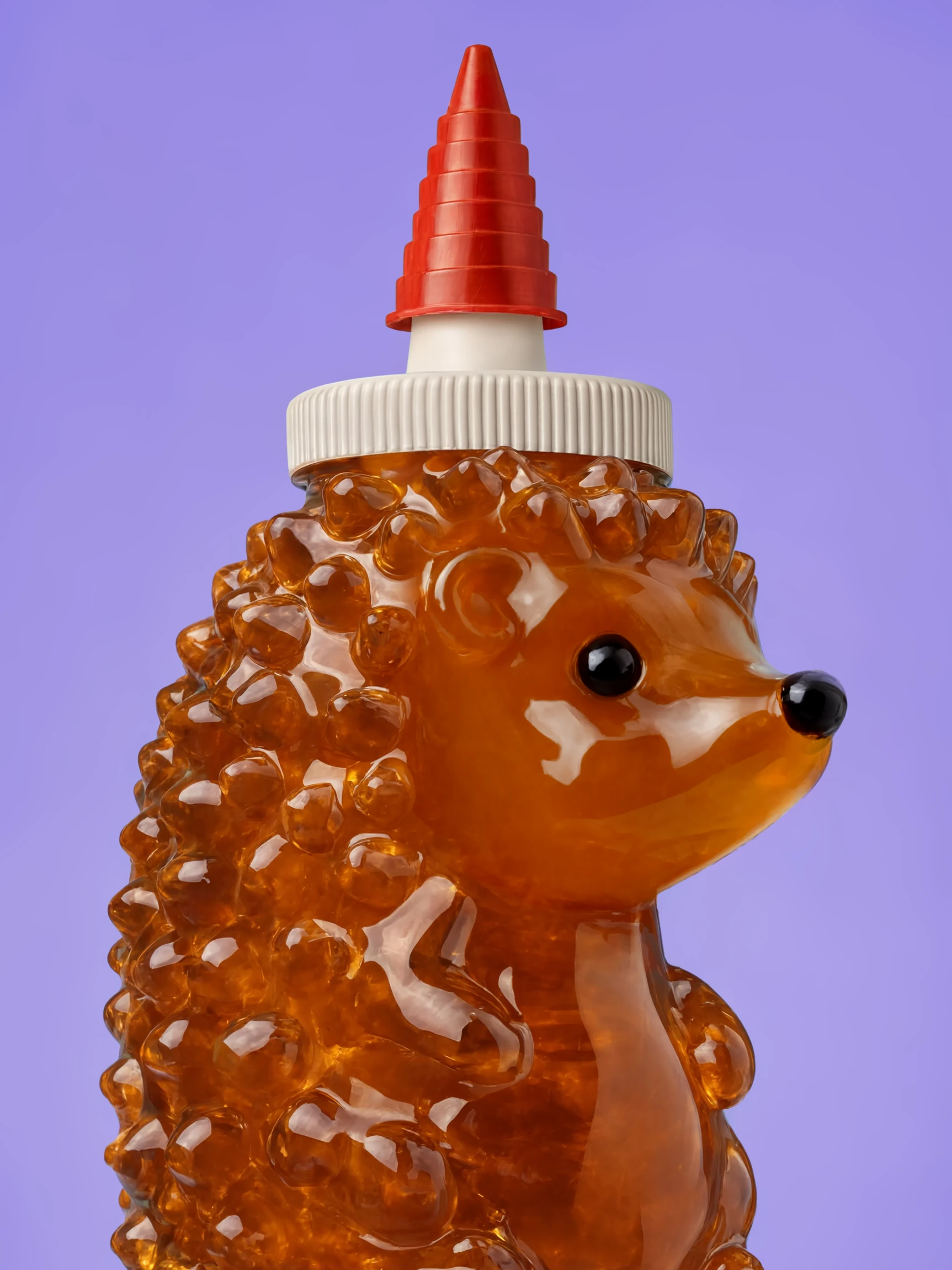
Ralphy
Where does this series sit within your broader practice as an art director and GenAI consultant?
GAËL: I work as an art director and a GenAI consultant, and a lot of my professional life happens inside precise, demanding briefs, luxury work, where the craft lives in the constraint. This series is the other side of that: total freedom, where I can follow a dream or a shape-shifting honey bottle with no brief to answer to.
The two aren't opposites, they feed each other. Working within tight constraints sharpens how I build the free work, and the free work is where I test the instincts and ideas I bring back into the commissioned projects. In a way, this series is the lab.
What inspirations do you hold, what are you most excited about?
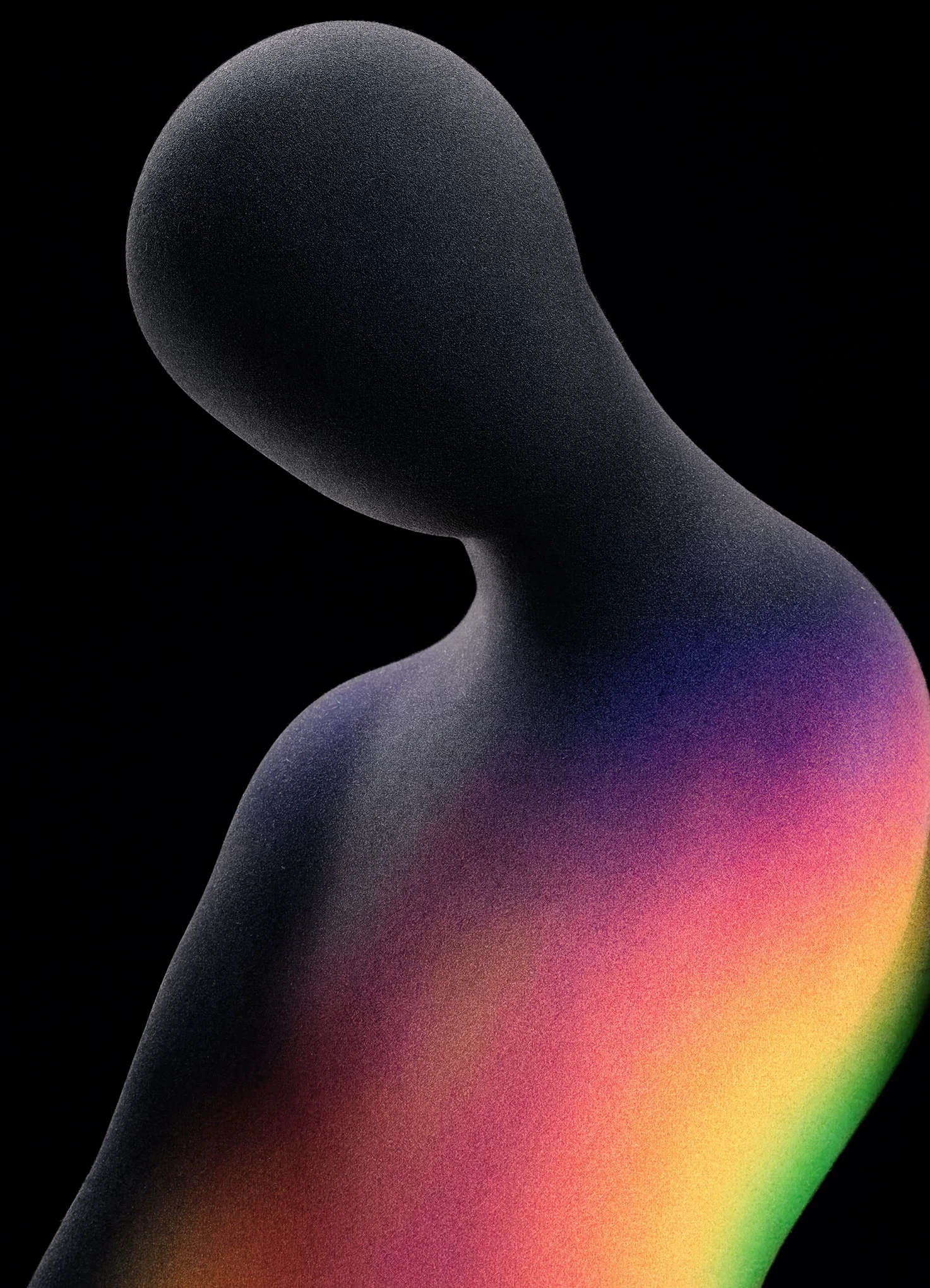
GAËL: What I'm really chasing is the visual edge, that bit of roughness or friction that makes an image catch. I find it through composition and color, and by putting something of myself into the frame. I love giving form to dreams and stray ideas, building a kind of cabinet of curiosities, no single through-line, a bit of strangeness in every corner. That's the thread through my ten pieces for the contest. Being able to give those half-formed visions a real shape is the part I love most, and Reve is what makes the limits fall away.
What's next; what are you most excited to make?
GAËL: What excites me most is emptying the backlog. I have years of half-ideas, dream sketches, notes, that never went anywhere because they were too complicated, too expensive, or I simply didn't have the time, I was always on another project. Reve collapses that barrier. An idea can be executed fast, or at least I can touch its surface almost immediately, and that changes everything.
So what's next is finally giving those ideas a form, and seeing which ones hold up once they exist. And to keep working at the intersection I care about most: contemporary art, graphic design, and color. That's the space I want to live in.
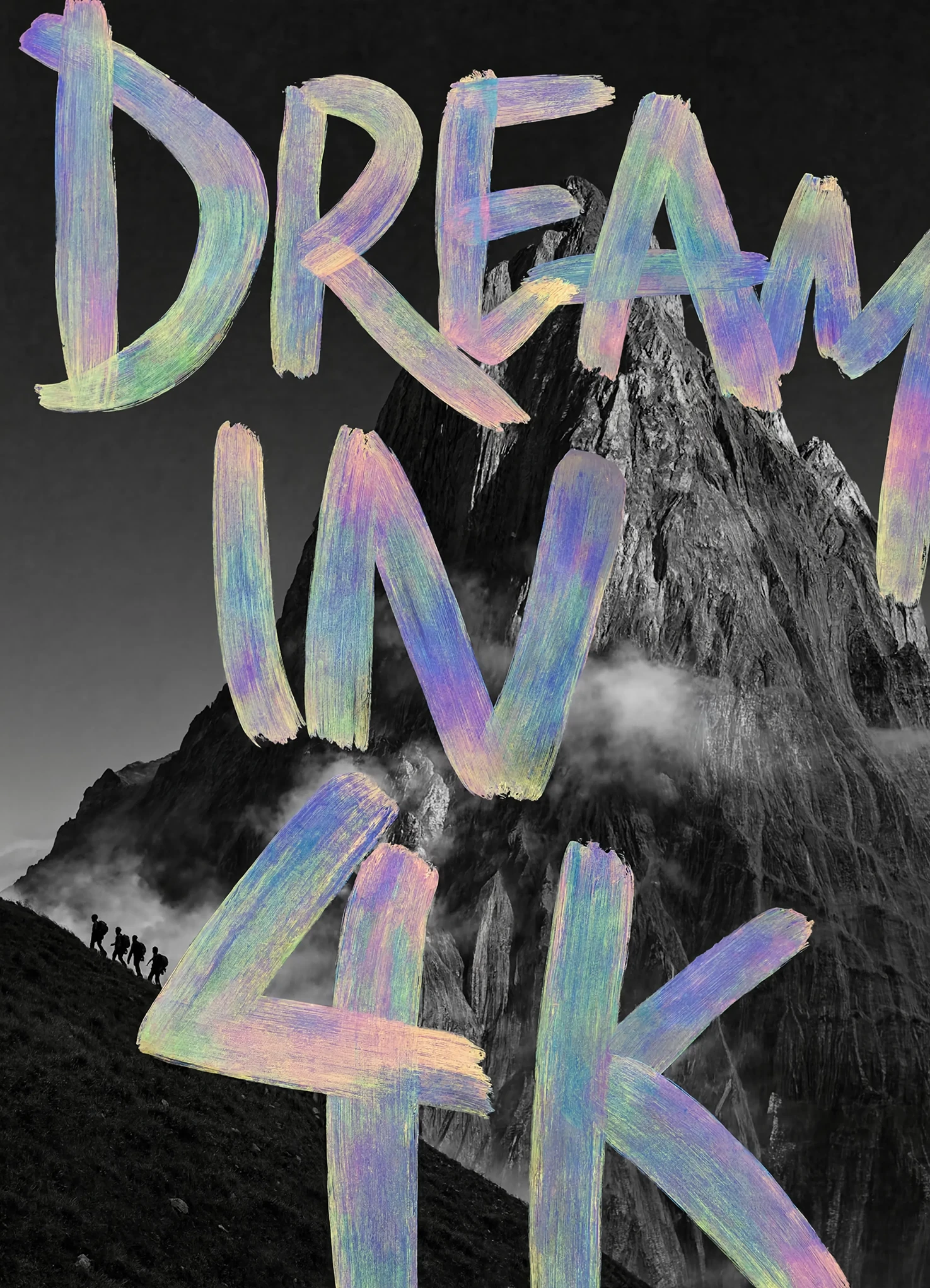
Gaël Baldy is an art director and generative AI consultant based in France, and a third-place winner of the $100k Reve Award.