Dolce Impossible with Nóra Bereczki
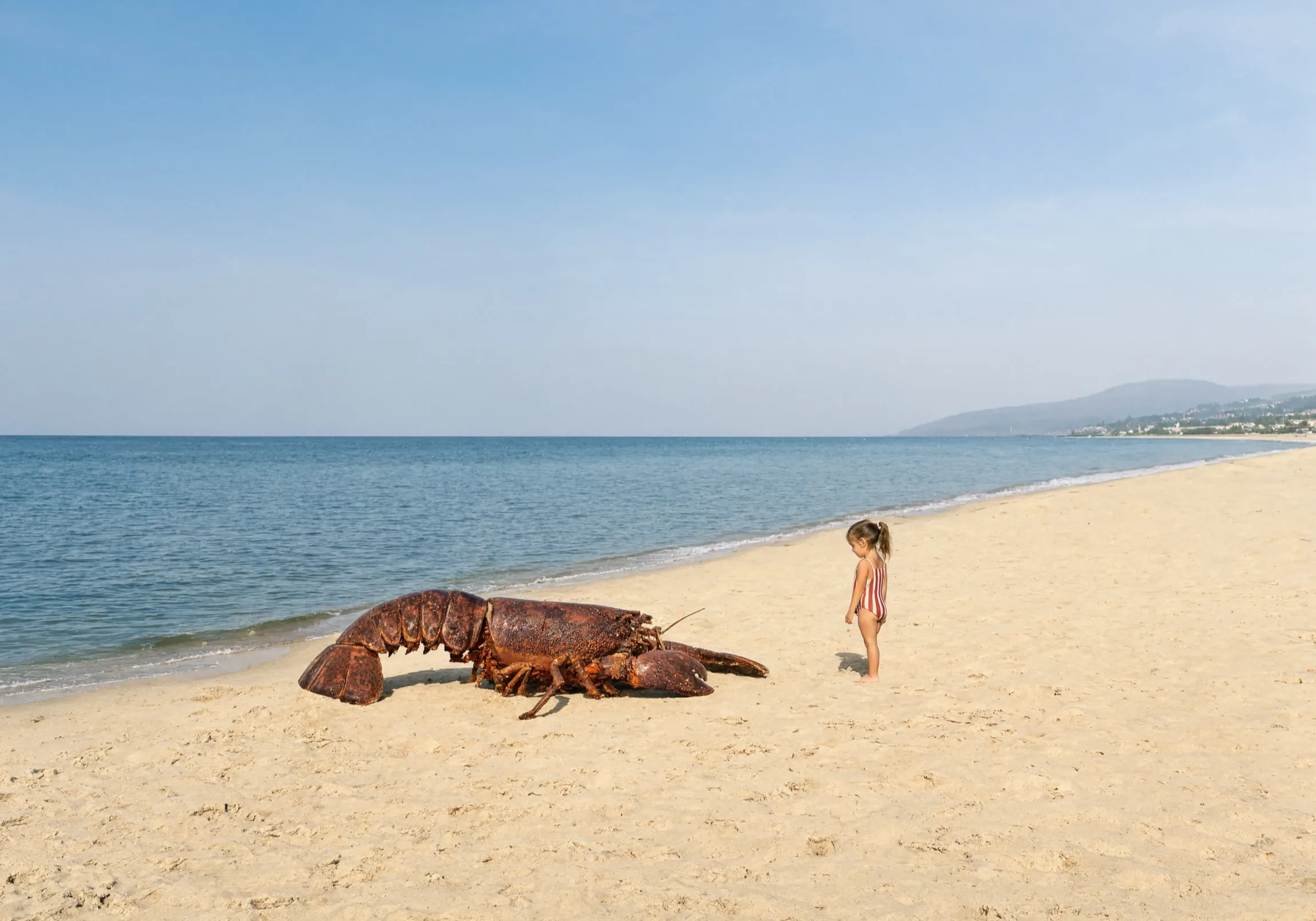
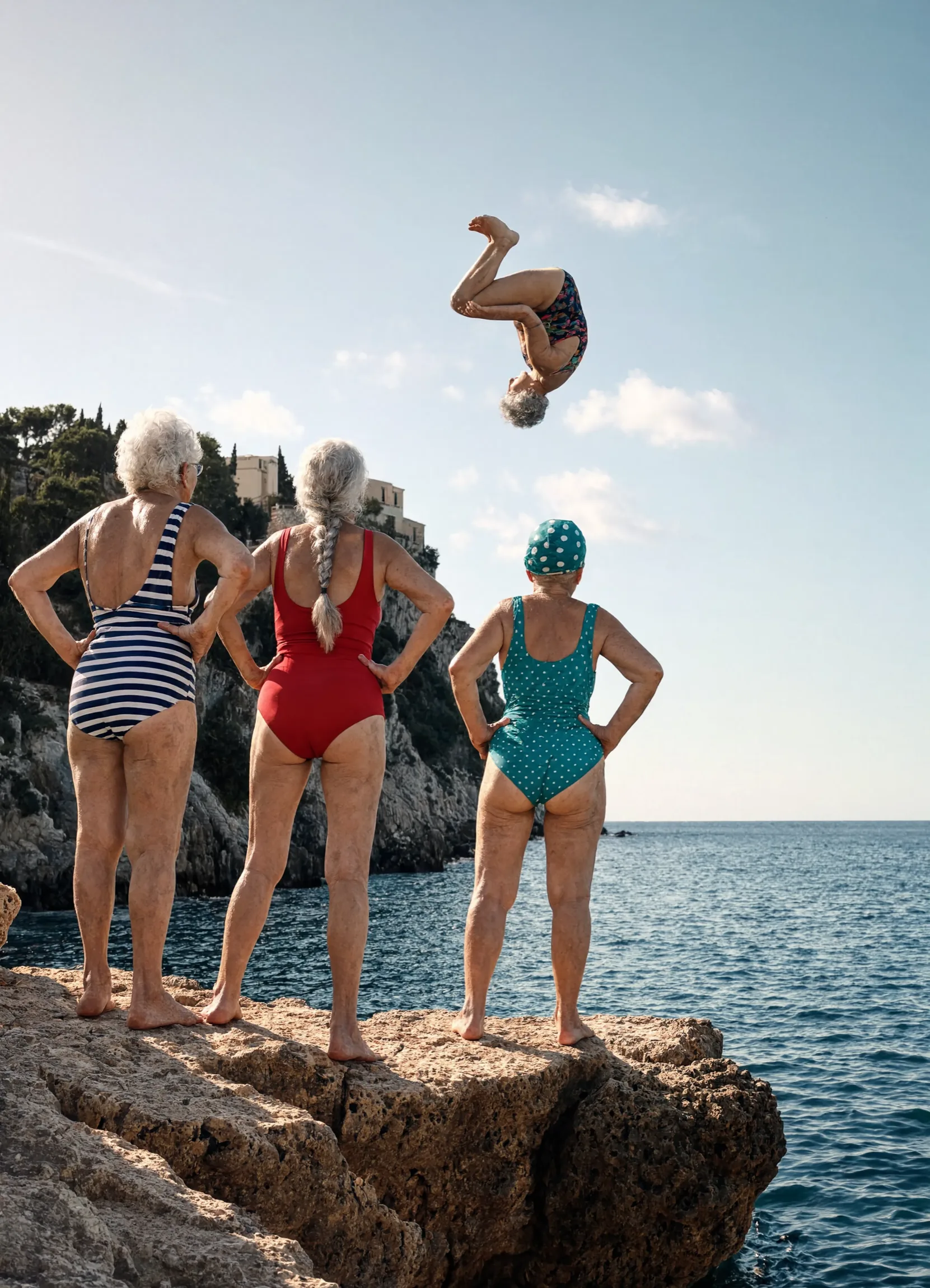
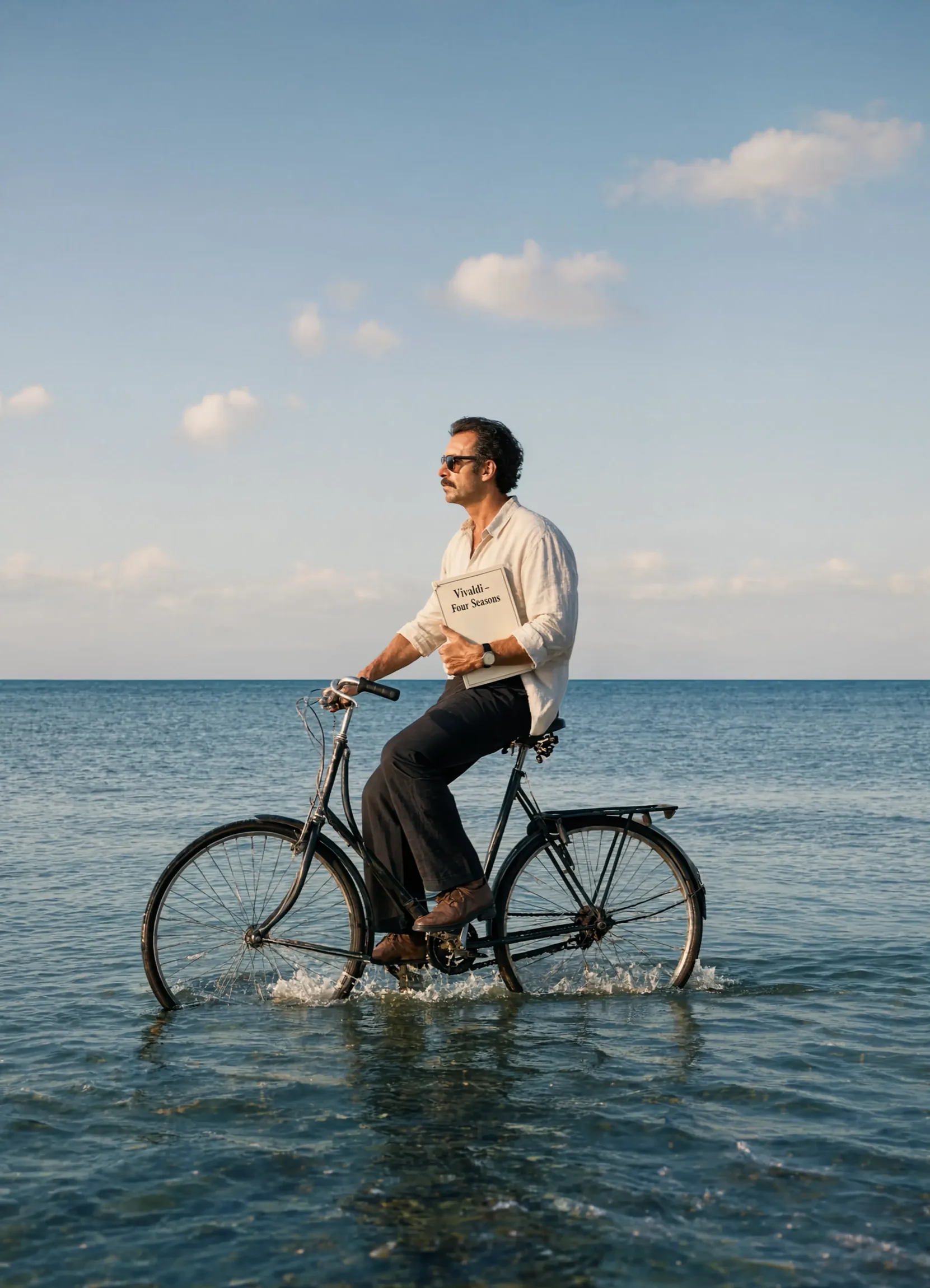
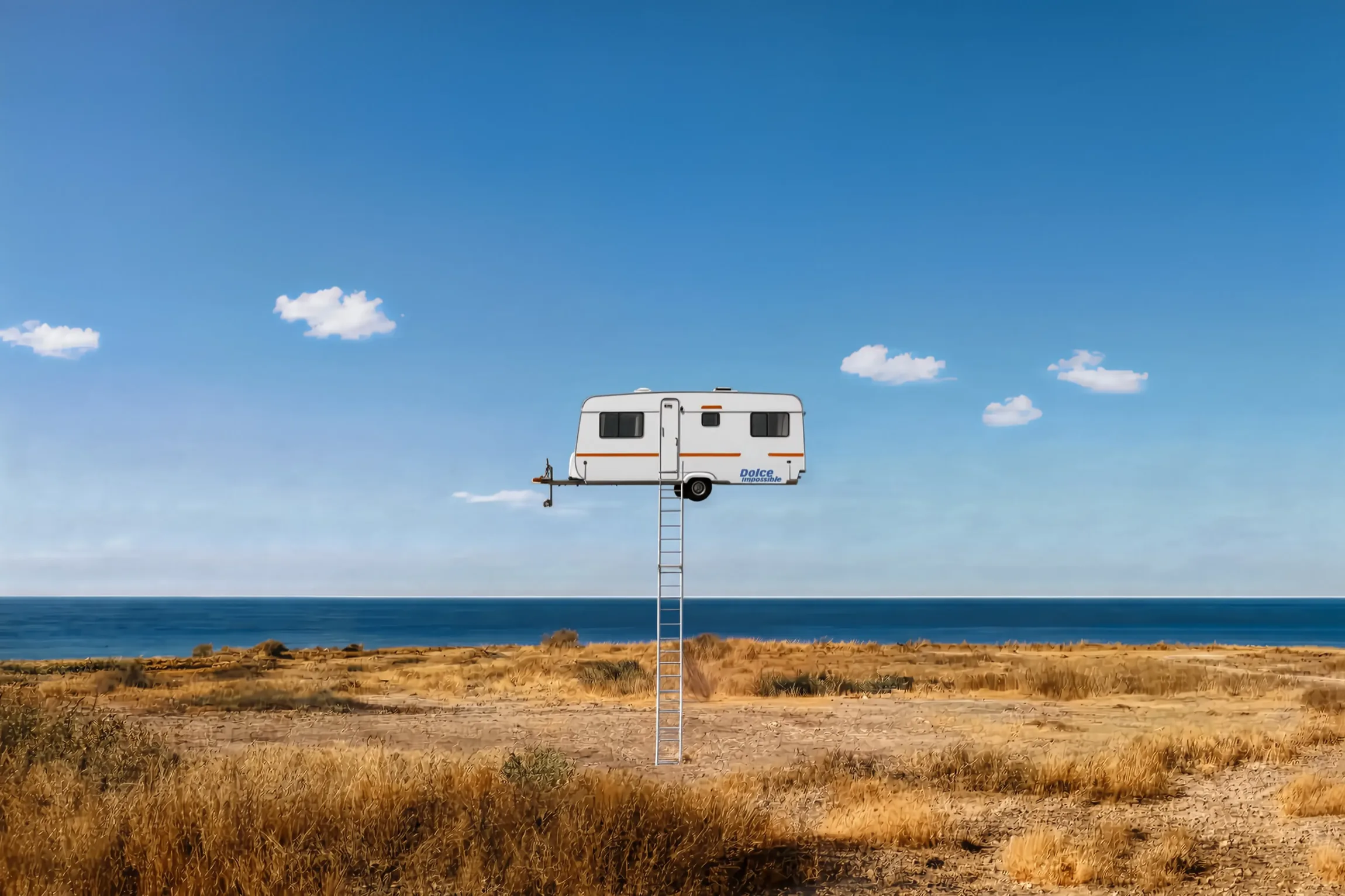
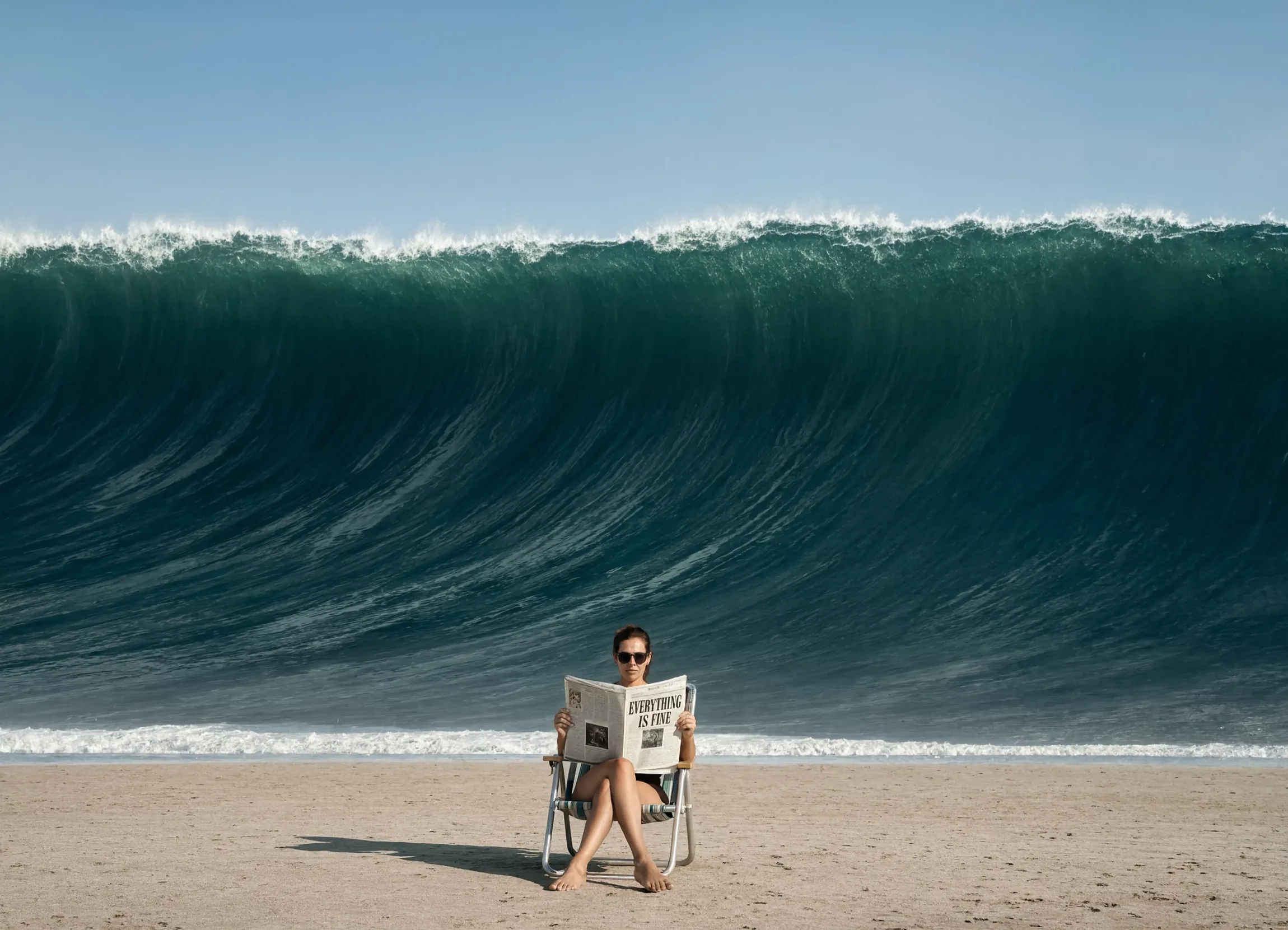
From Dolce Impossible, the winning series by Nóra Bereczki. Every frame holds exactly one impossible detail; everything else is left to look like an ordinary holiday snapshot.
We created the $100k Reve Award to recognize the artists defining what's possible in image-making today, celebrating creators who bring a fresh, original vision to life on a new canvas. Out of three exceptional winning collections recognized for pushing the boundaries of generative art through craftsmanship and creative vision, Hungarian artist Nóra Bereczki, creating under the alias Digital Umami, captured our attention with her quiet brilliance, subtle humor, and mastery of visual storytelling.
Bringing together 20 years of analogue and digital photography experience alongside 15 years in global marketing (including leading global marketing for industrial robotics), Nóra approaches generative tools with a grounded, highly disciplined eye. Her winning series, Dolce Impossible, reimagines classic European Mediterranean vacation snapshots interjected with subtle, surreal twists that compel the viewer to look twice.
Here, Nóra breaks down her creative philosophy, her one-rule approach to prompting in Reve, and why nurturing analogue life is the secret to digital art.
Defining the Creative Lens
Long before she wrote her first prompt, Nóra was training her eye on street corners, adjusting apertures, and navigating visual rhythms. Operating under the creative banner Digital Umami, her AI work feels less like algorithmic output and more like deliberate, highly calculated image-making. For Nóra, generating an image is an active dialogue between a precise visual concept and the tool's ability to render light, shadow, and composition.
How do your dual backgrounds in street photography and global tech marketing shape your creative lens?
NORA: I've always lived with two sides to my professional story. On one side, I've spent 15 years in marketing—working agency-side, client-side, and as a global marketing director for a robotics and industrial automation company, where I could express my deep passion for technology. On the other side, I've spent two decades as an analogue and digital photographer.
When you've been doing photography for that long, it's like walking around with a natural filter over your eyes. You look down a street and instantly start framing geometry, scale, shadow, and visual ratios.
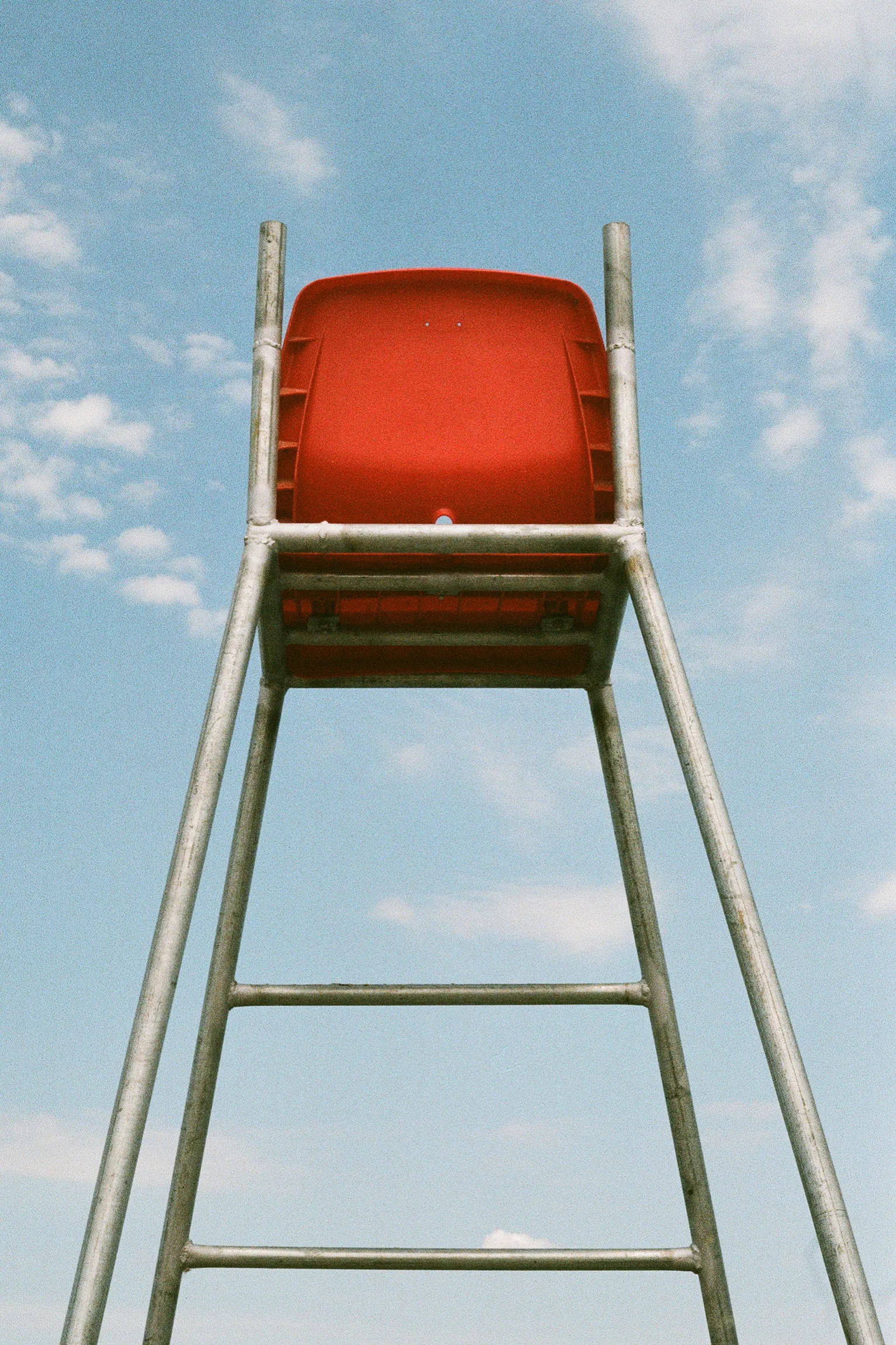
Summer, III — analogue
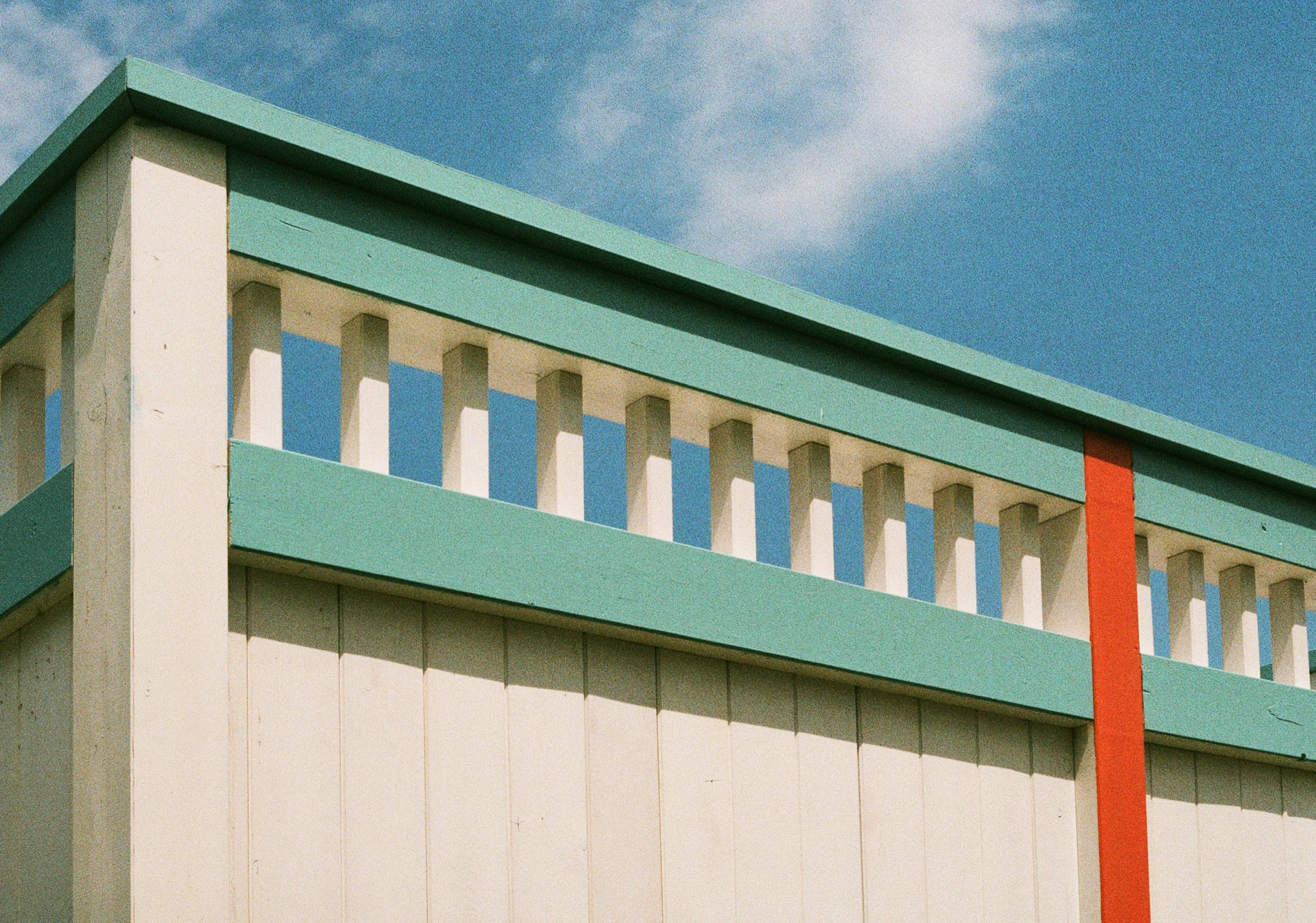
Summer, II — analogue
Where do new generative tools fit into that workflow when you're building a visual narrative under Digital Umami?
NORA: For the past five years, creating under the name Digital Umami, I've brought those two worlds together with AI, experimenting across both image and video, some of which have screened at international film festivals.
Long before I write a prompt, I'm already thinking like a photographer: setting the camera angles, visual balance, light, and narrative story. I love combining analogue sensibilities with generative tools to express a very human, disciplined way of seeing.
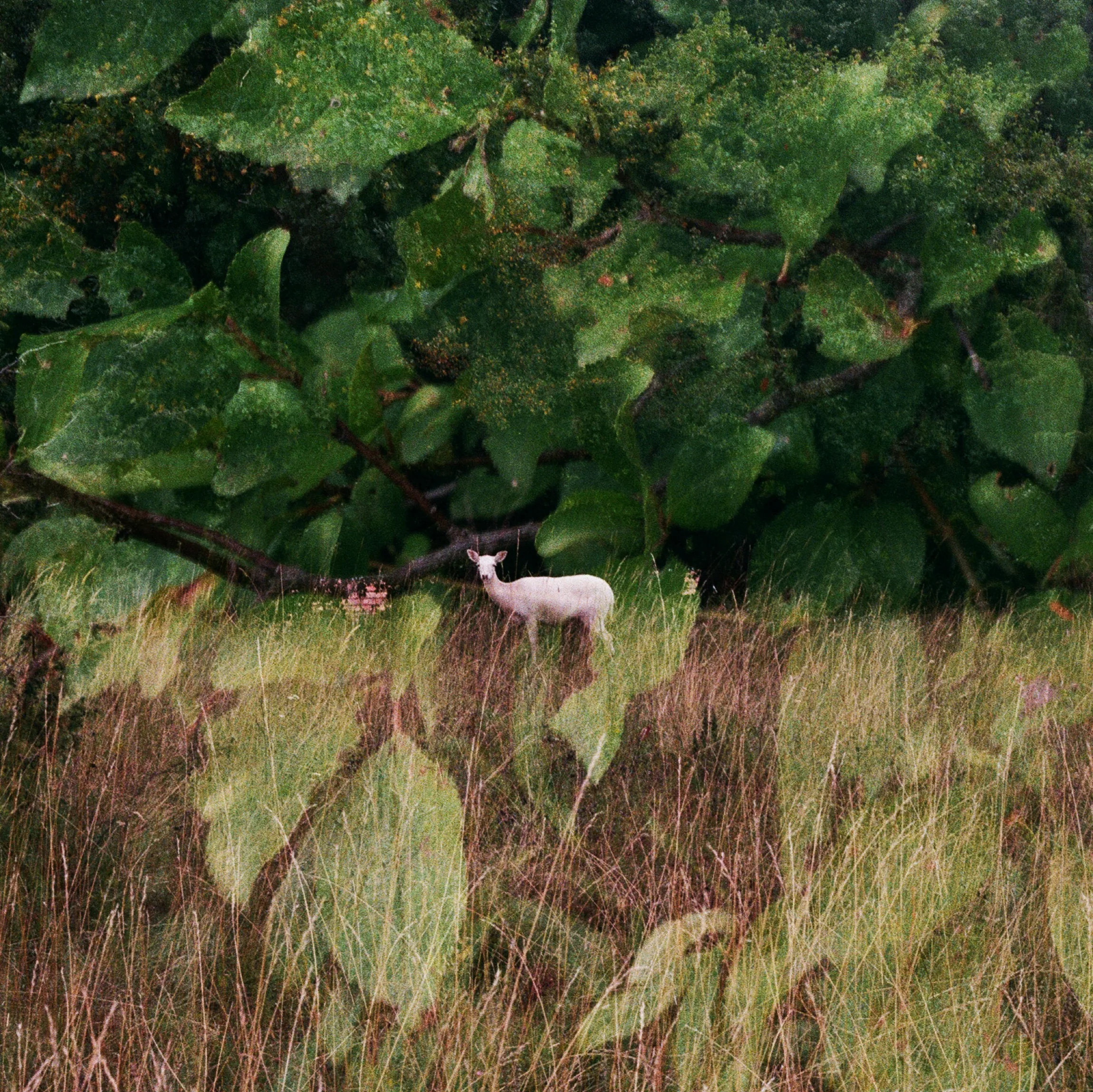
Facing You — analogue
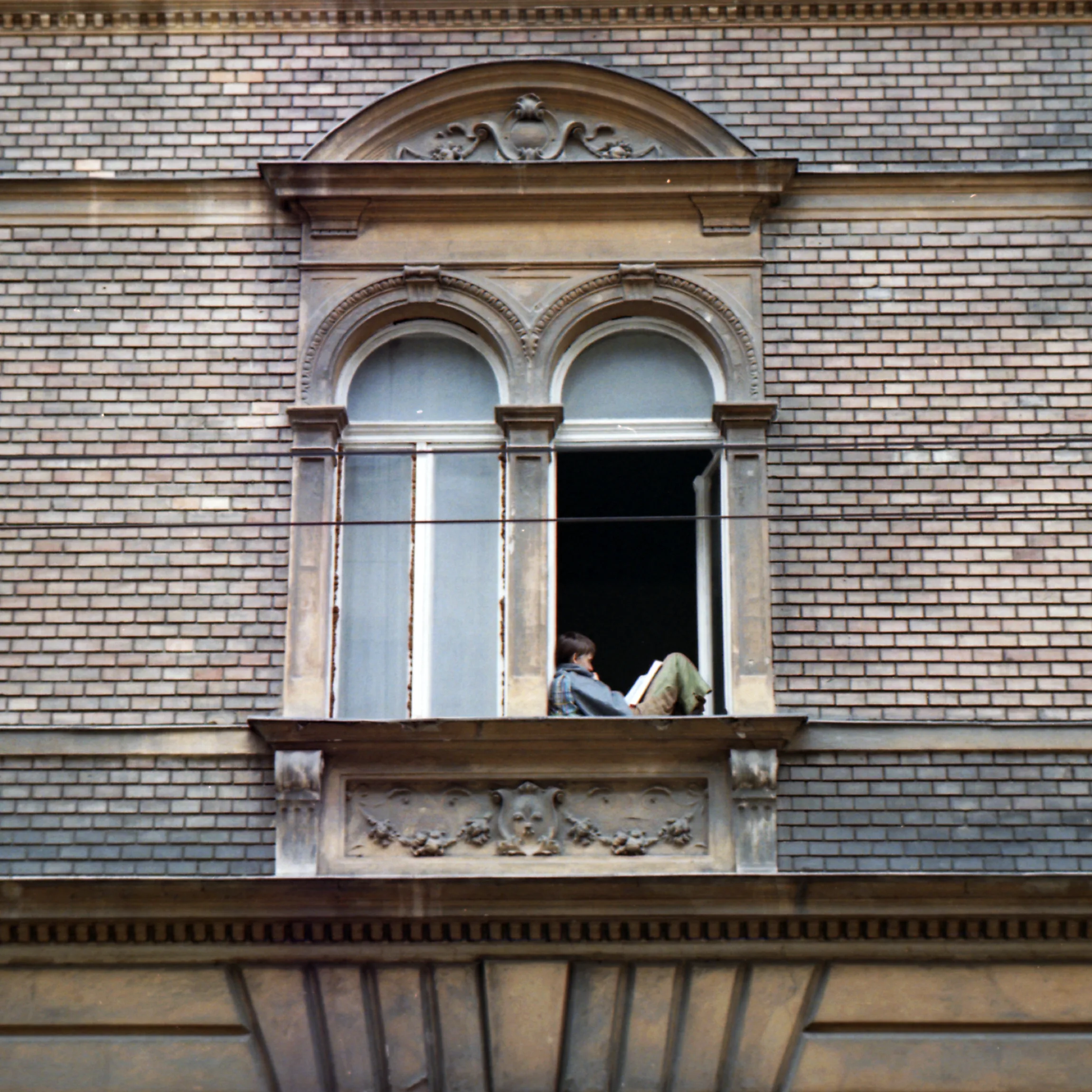
Me Time — analogue
How do you translate classical photographic principles into natural language prompts in Reve?
NORA: I always visualize the image in my head first before describing it in words. Because Reve understands natural language so well, I kept my prompts concise yet descriptive. I relied heavily on classical photographic rules: the rule of thirds, the golden ratio, and complementary color theory. What impressed me most was how Reve captured subtle lighting, spatial balance, and a natural grain that reminded me of developing film.
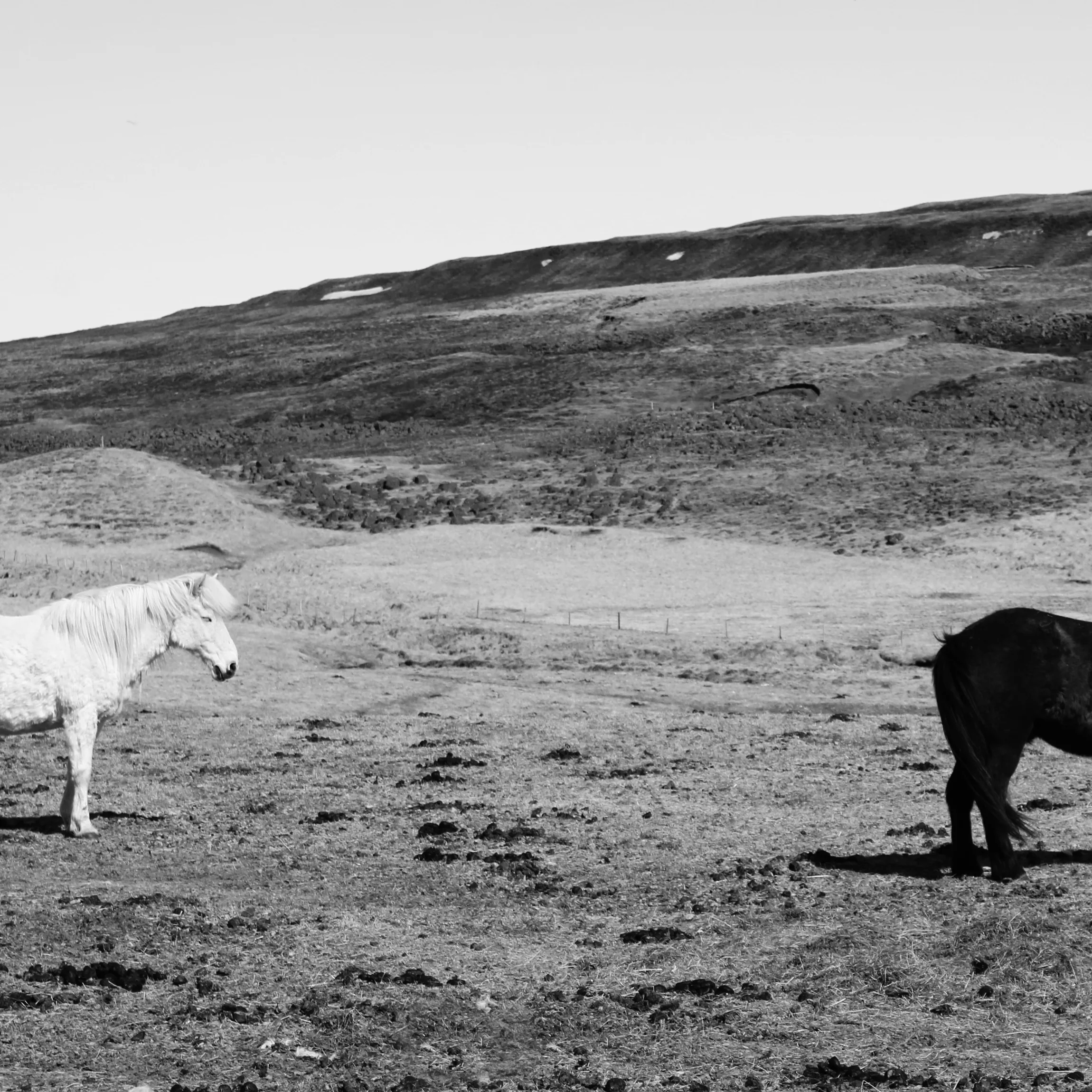
Half — digital
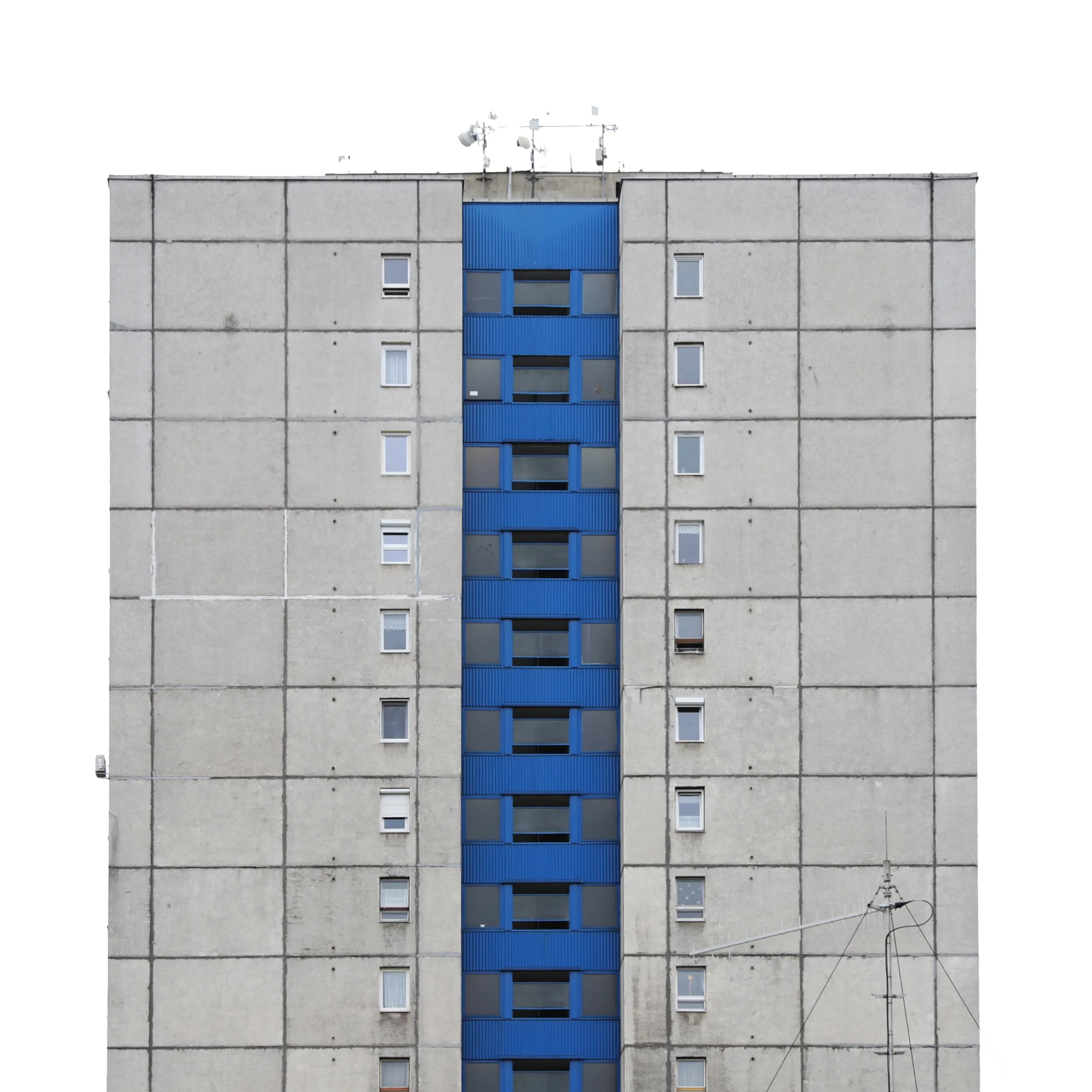
Building — digital
The Making of Dolce Impossible
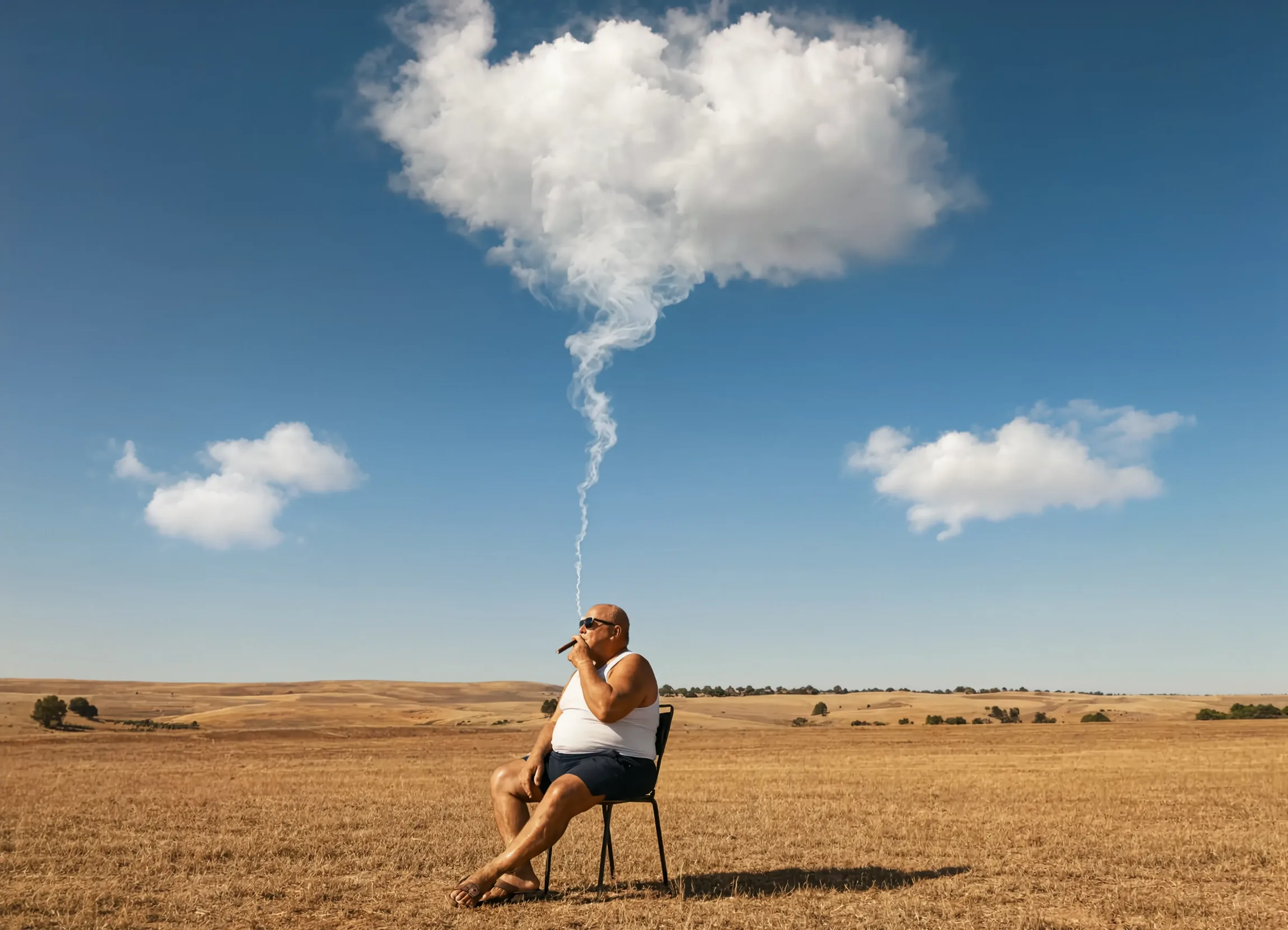
There is a quiet comedy running through Nóra's contest-winning series. At first glance, the images look like candid snapshots from a Mediterranean getaway, until you notice something absurd hiding in plain sight.
What was the inspiration behind the series, and what drew you to European Mediterranean summers?
NORA: In my head, the series was always titled Dolce Impossible. I was inspired by the European Mediterranean summer—scenes we've all experienced while traveling, like sitting on the beach, jumping into a pool, and that carefree holiday feeling. I kept thinking about those typical moments in places like Italy or Spain and how to capture that authentic, everyday vibe.
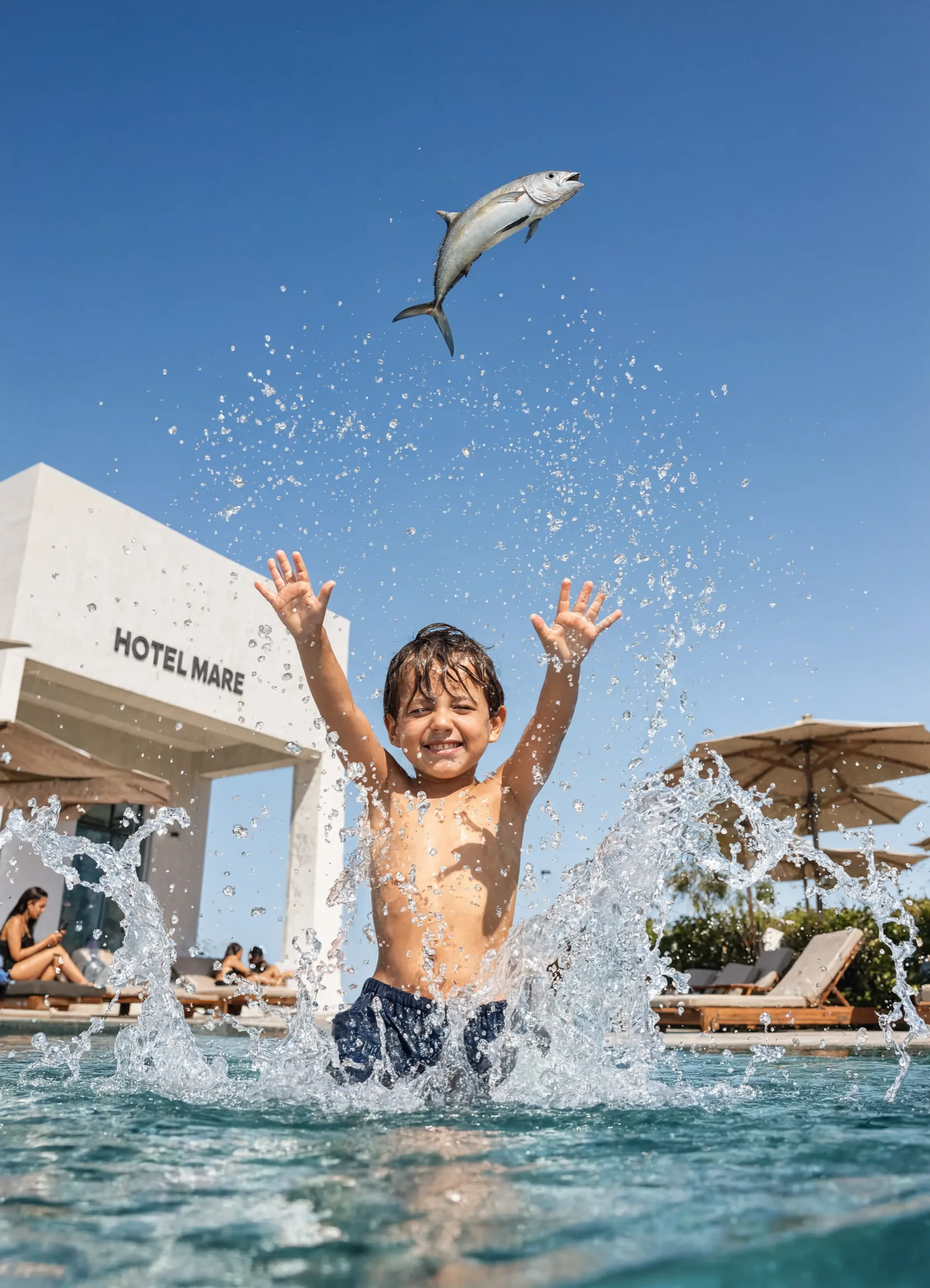
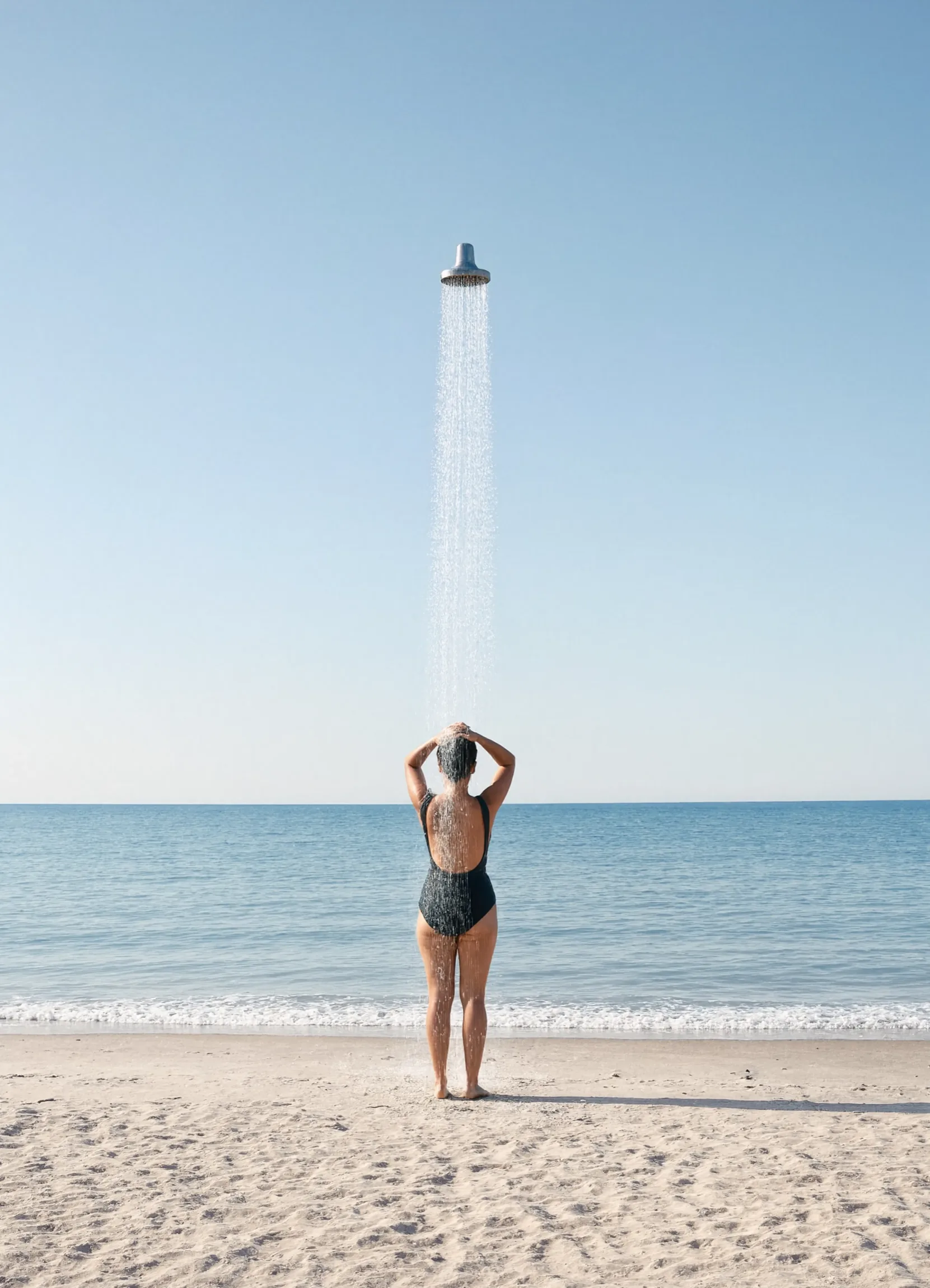
You established a strict rule for these scenes—how did that 'one impossible detail' shape the story in each frame?
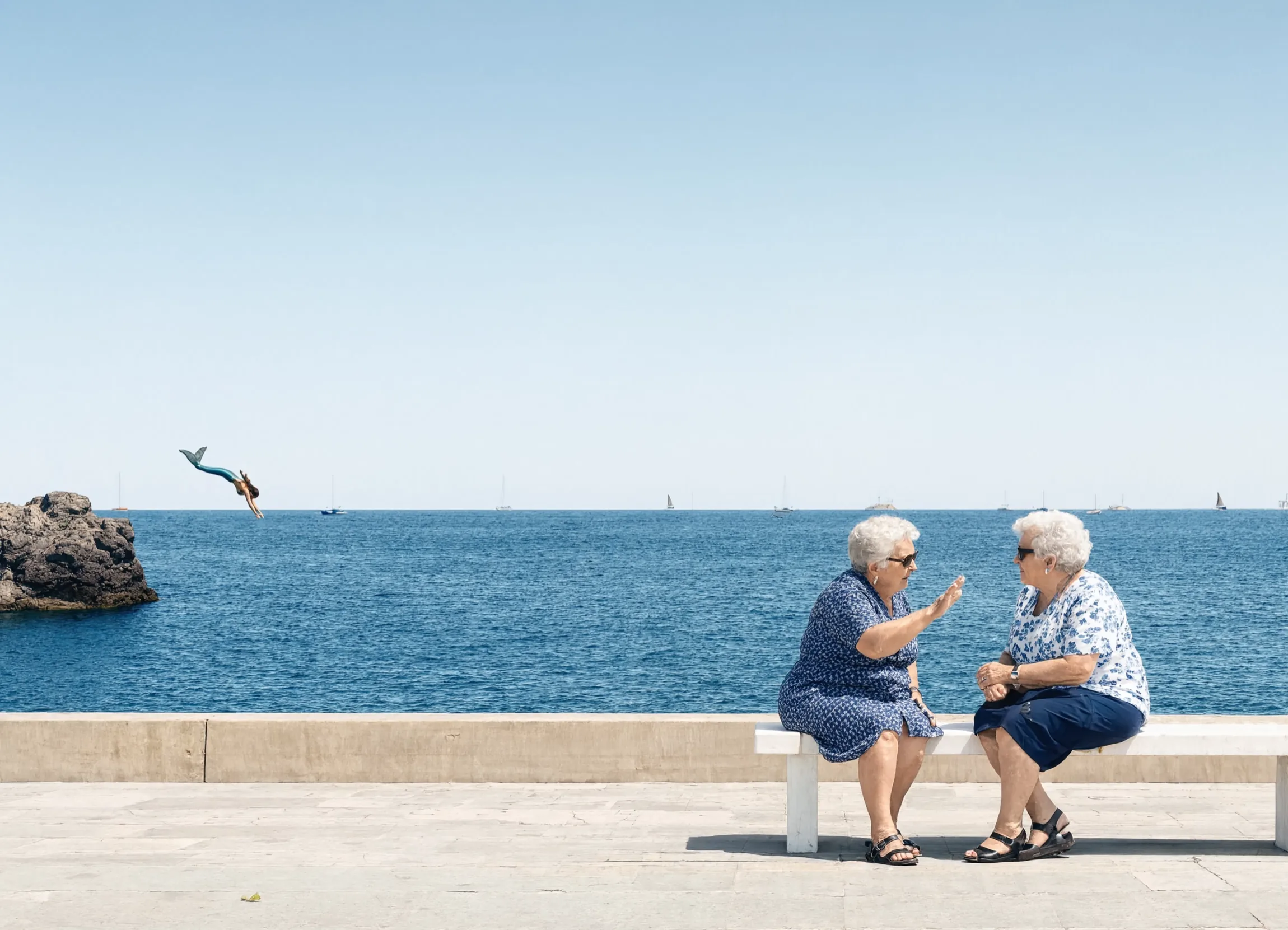
NORA: I established a strict creative rule: every image should contain only one impossible or absurd element, while everything else had to feel completely authentic, like documentary photography captured by chance.
In one piece, two elderly women sit chatting on a bench while a mermaid leaps off a cliff behind them, totally unnoticed by them. You, the viewer, get to share a quiet wink with the image. AI was the perfect tool because imagination has no limits, and I wanted to create believable images of impossible moments. The best image is always the one that makes you look twice.
What did that iterative process look like in practice while constructing 'Sunbrella'?
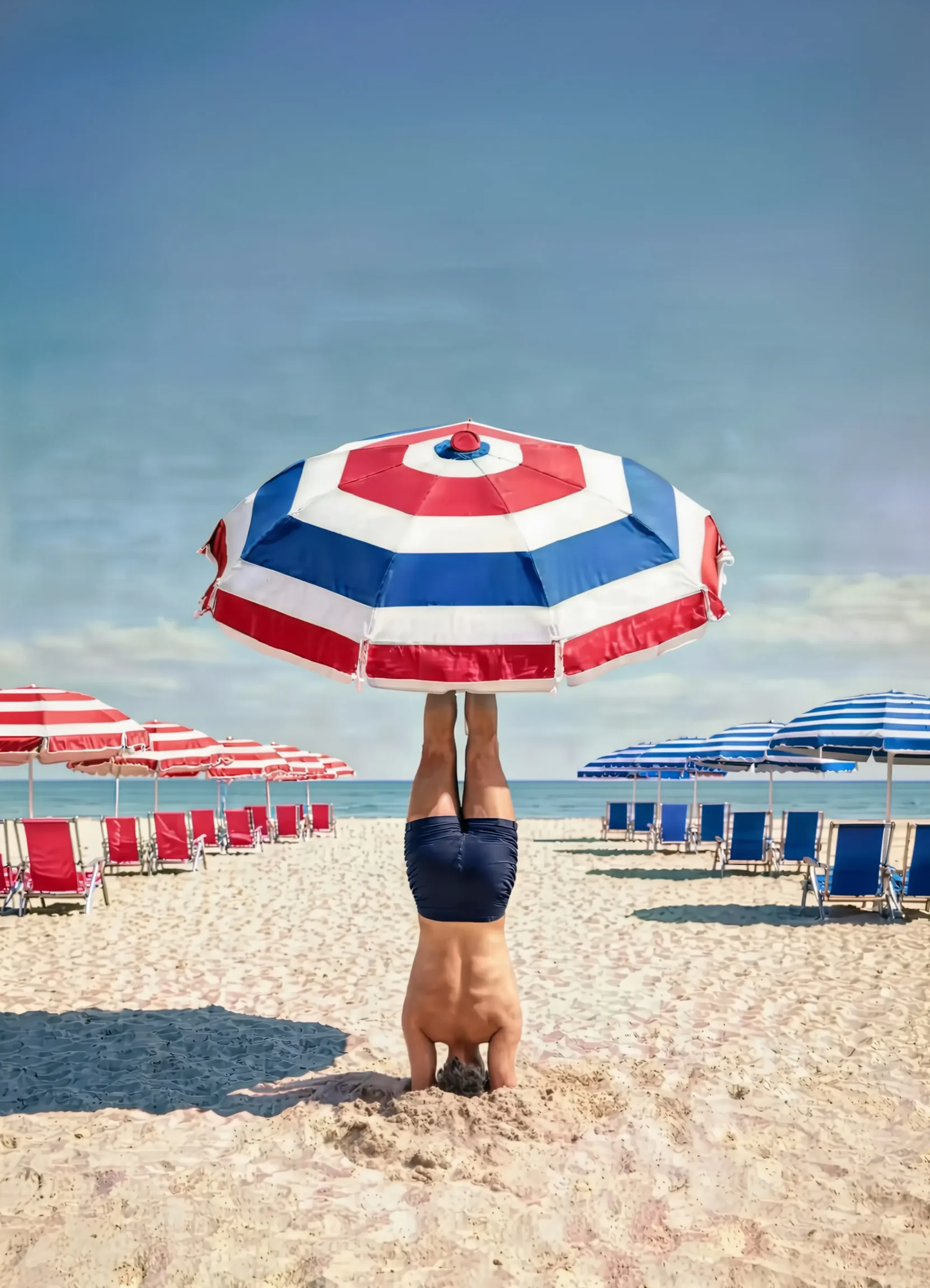
NORA: In 'Sunbrella,' the rule of thirds anchors the frame: red umbrellas on the left, blue on the right, and a man buried in the sand in the center. The real challenge was refining the scale and depth of the body in the sand—testing whether it should be just legs, arms, or the torso.
Reve understood those fine adjustments remarkably well, allowing me to iterate on positioning and sunbed colors until the render matched my exact internal vision.
Framing the Future
How has the reaction been from the traditional photography community since the win?
NORA: The response was amazing. Hungary's most respected photography site covered the series, and seeing how open the traditional photography community was to new tools as mediums for expressing vision was wonderful. It showed a real shift in how people view AI when it's driven by a clear artistic vision.
What advice do you give artists trying to stay creative today, and what's next for your practice?
NORA: When people ask how to nurture creativity today, my answer is simple: you have to nurture the analogue side of life. Go for walks, visit museums, attend the theater, and talk to people. You have to disconnect so you can reconnect with digital tools in a meaningful way.
Looking ahead, I'm focusing on hybrid projects that bridge traditional culture with AI—like a video campaign for a bestselling book and an AI-augmented exhibition celebrating a fashion photographer's 40-year career. And with part of my contest prize, I bought a camera lens from Japan I've had my eye on for years to dive into new hybrid photography experiments!
At its heart, Dolce Impossible is simply an invitation to slow down and look a little closer. Nóra's process, bringing two decades of street photography into her work, is a wonderful reflection of how personal history shapes the way we see. Her series reminds us of the quiet joy found in subtle details, gentle humor, and images that make us smile. As Nóra equips herself with her new camera lens from Japan and steps into her upcoming hybrid cultural projects, we're simply excited to see what moments she chooses to capture next: real, surreal, or somewhere in between.
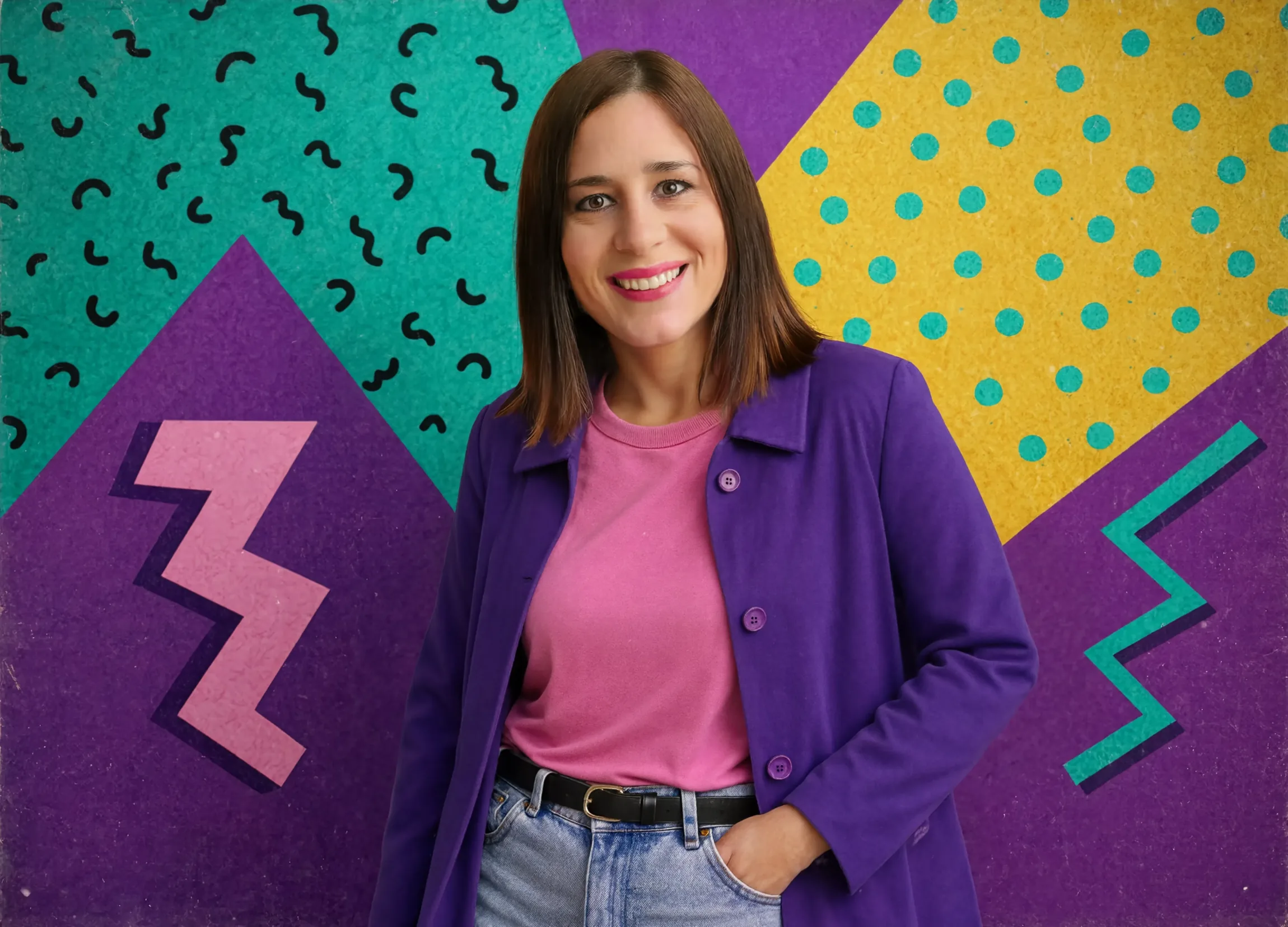
Nóra Bereczki is a photographer and generative artist working under the alias Digital Umami, and a winner of the $100k Reve Award.