Shareable References
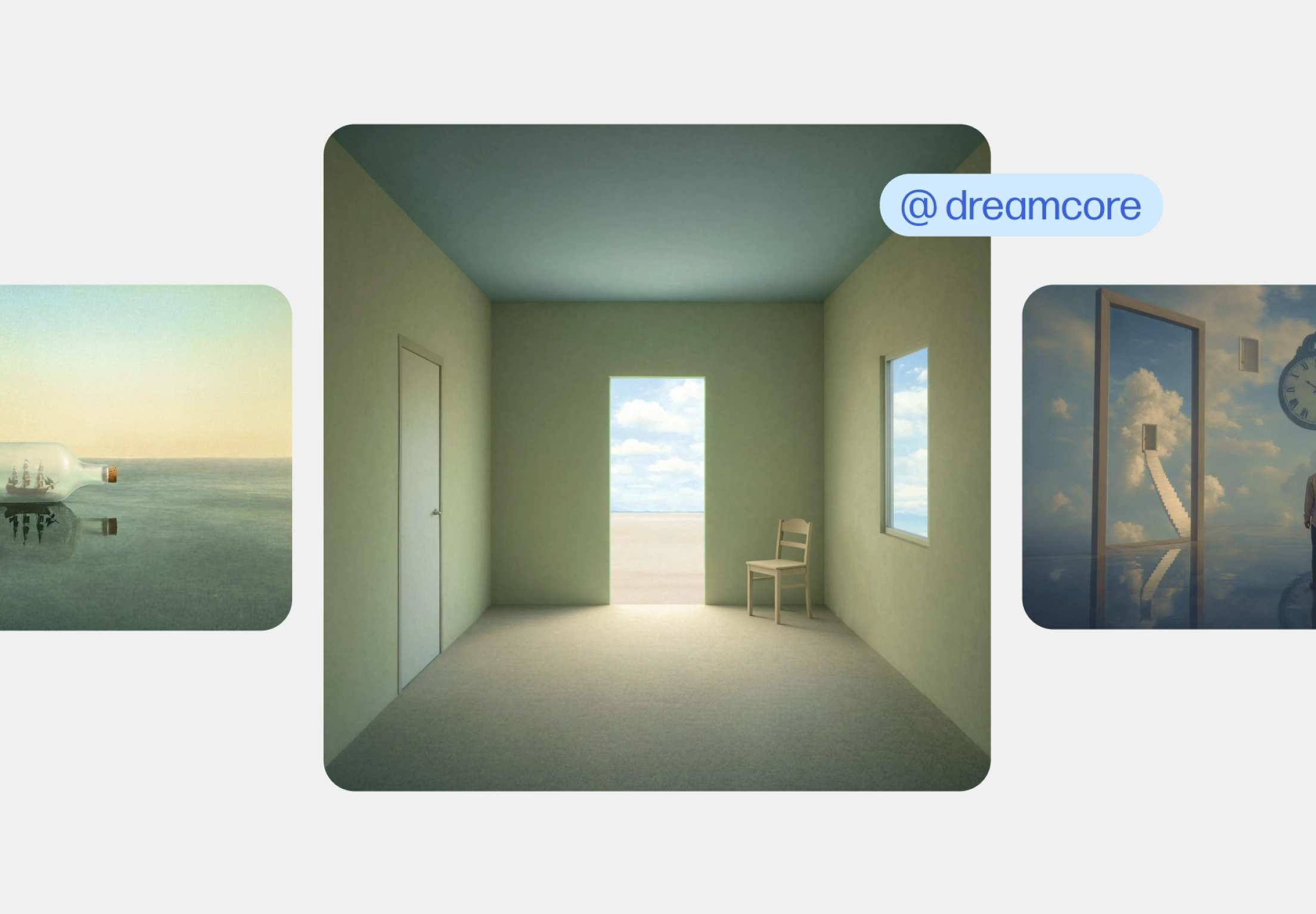
Every artist keeps a private dictionary: the images, forms, and references they return to across a body of work. In Reve, that dictionary lives in References. Today, we're making it shareable.
Publish your reference boards to the world, and pull from the ones others have built.
Live in Reve
These dictionaries are built by creators working in Reve right now. Click any board to open it and build from it. Browse the full collection in Explore.
 Swiss Design · lostinlatency
 Graphic Nature · Zipeng Zhu
 Y2K Futurism · lostinlatency
 Bubble Soft · Zipeng Zhu
 Chrome Domestic Scenes · lostinlatency
 Monochrome Film
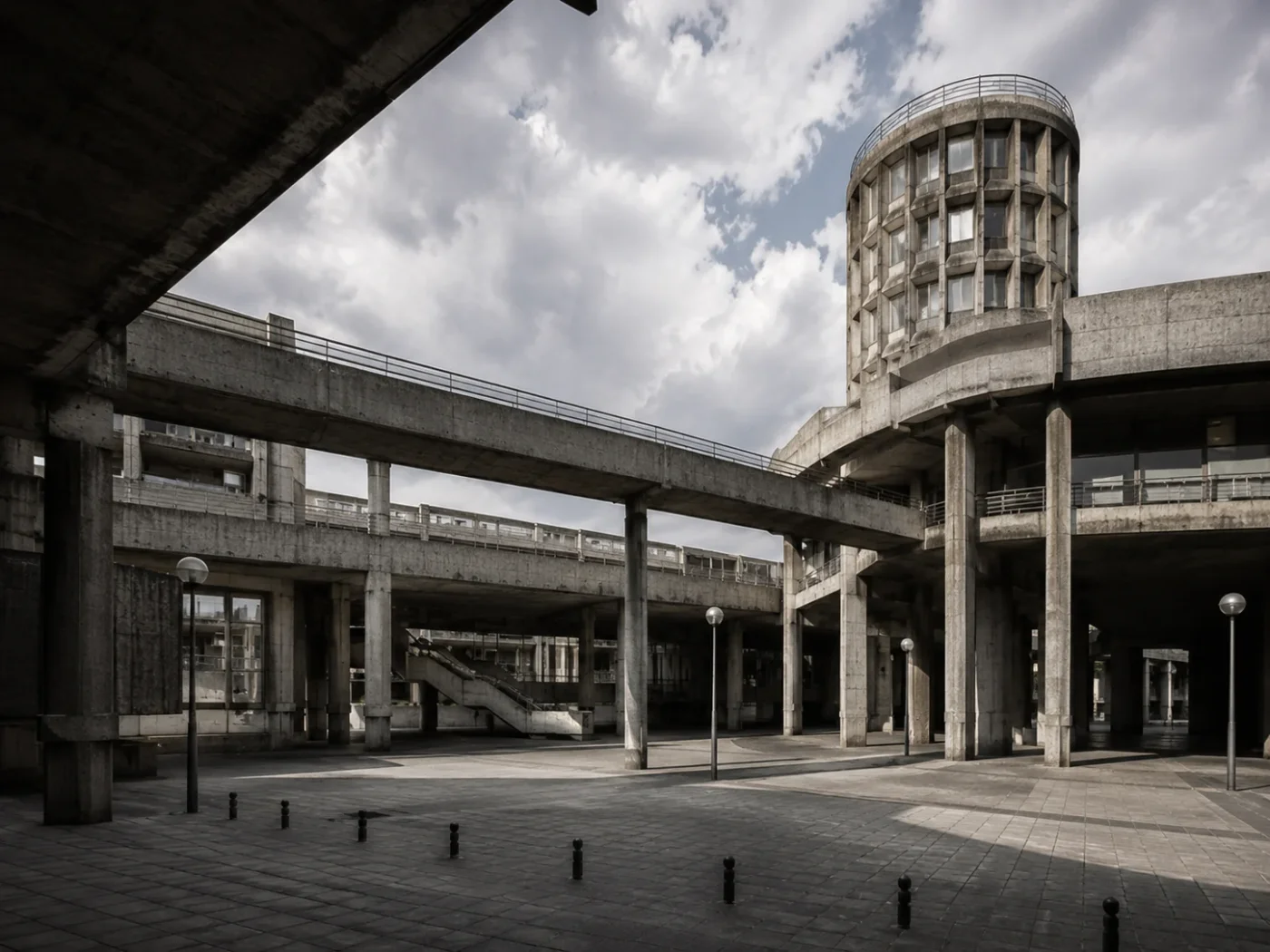 Brutalism · lostinlatency
 Cloth Backdrop
 Wildlife Cam · Adam Syed
 Storybook Print
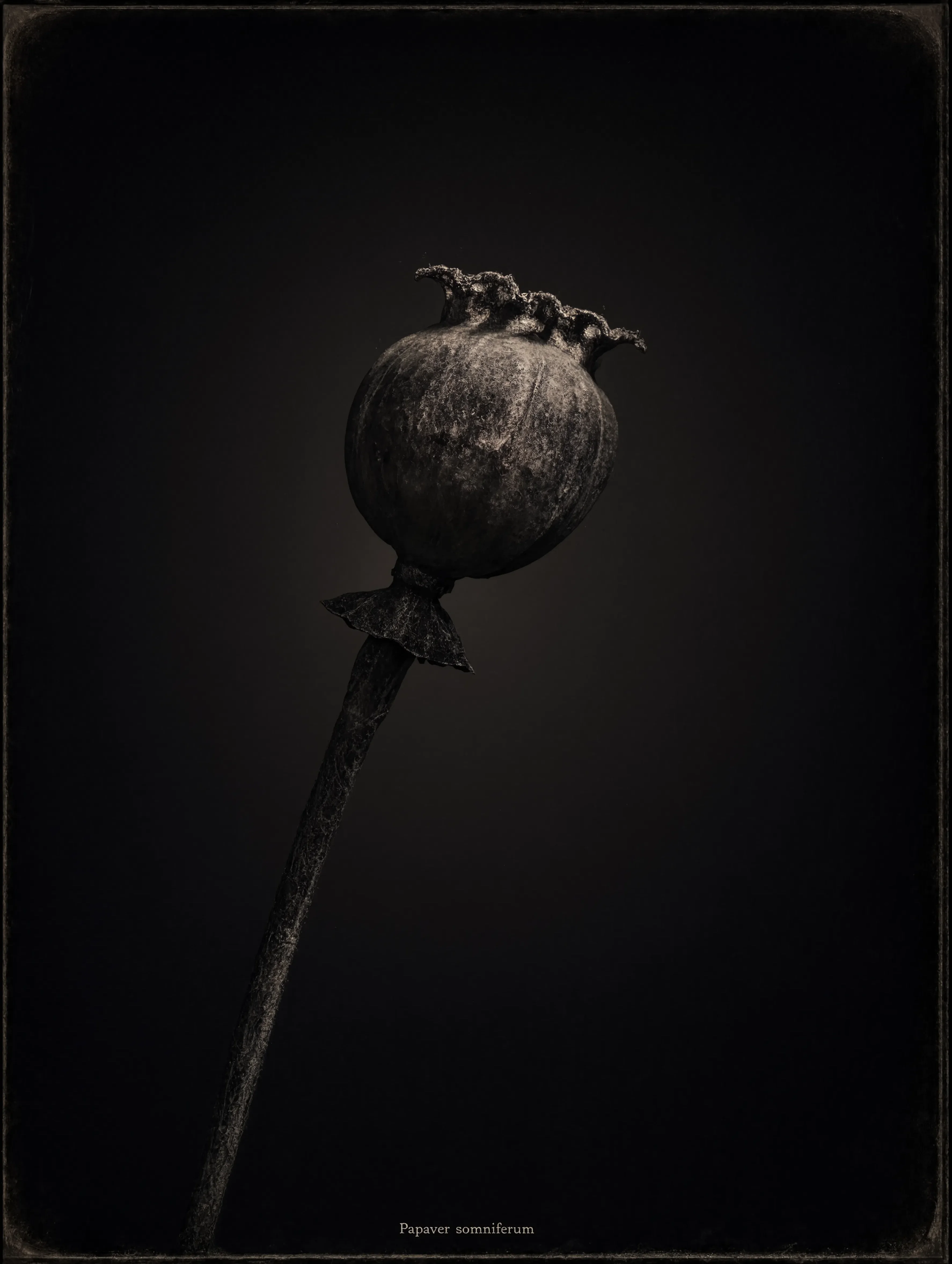 Moody Photogravure
 90s Anime Backgrounds · lostinlatency
 Halftone Print · lostinlatency
In history
Long before the tools we use now, artists kept these dictionaries by hand.
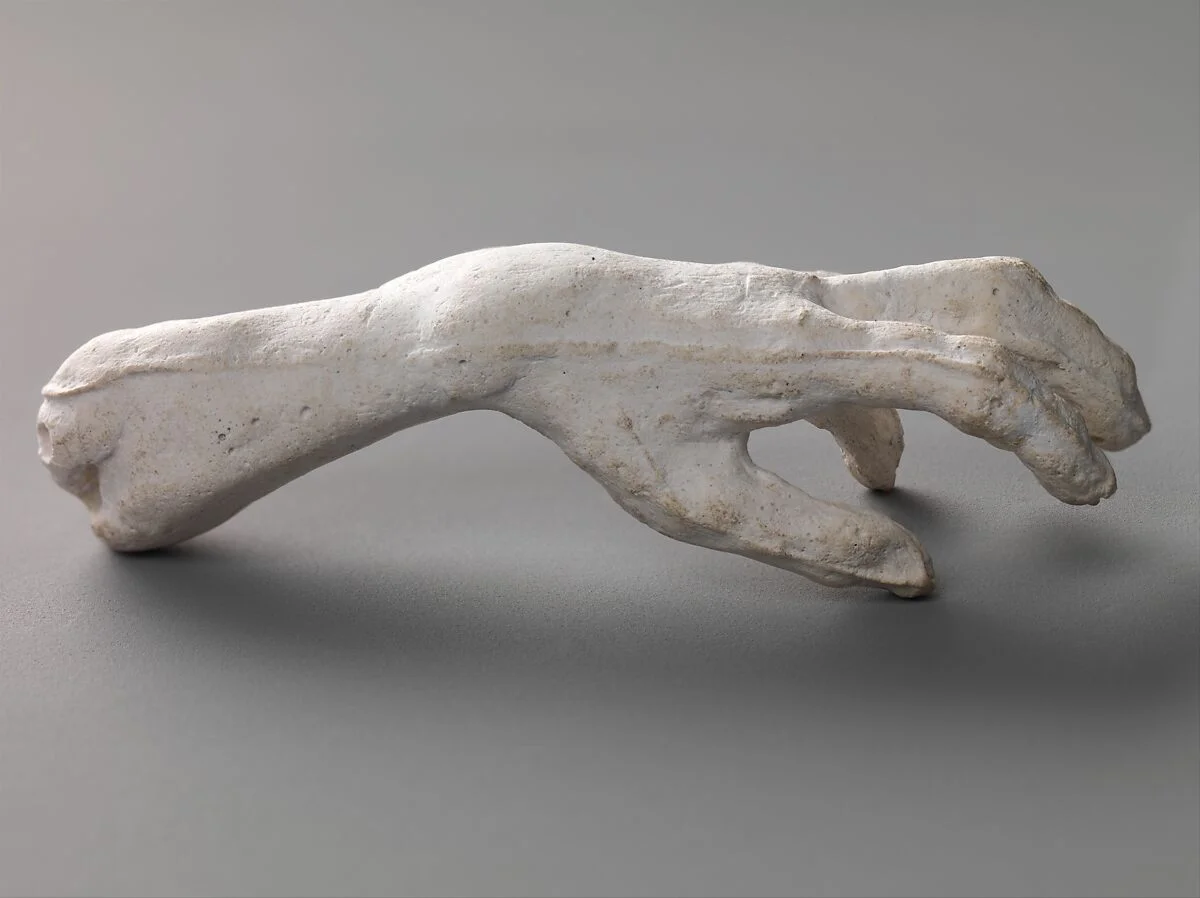
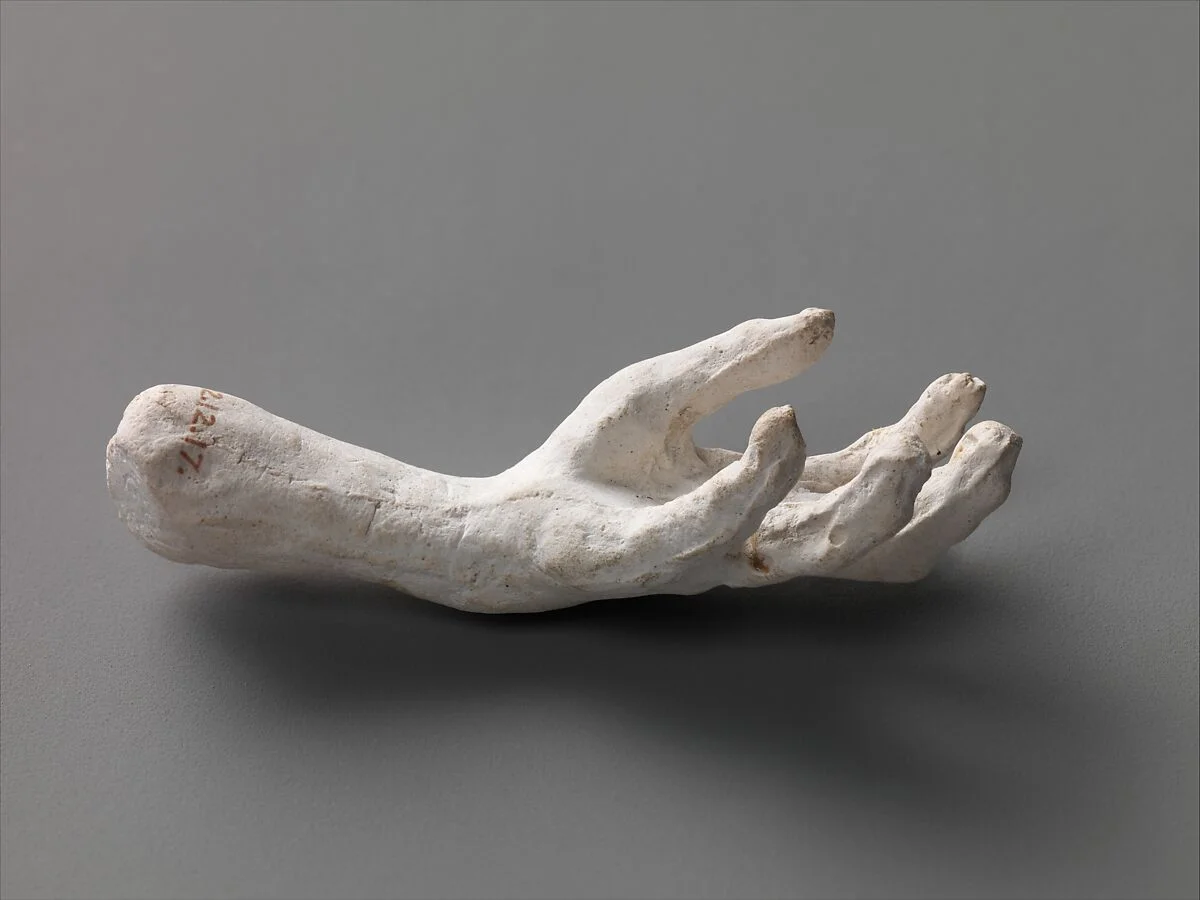
Auguste Rodin made a dictionary of physical language. Fragments of body parts, sculpted from clay, were cast to be reused in an alphabet of the body. He called it abattis. This library is now collected across the world, where hands and legs stretch, pray, curl, grasp. These conjugations and compositions return to the opus of his work. The distance between emotion, vision, and intent closes through these references. Execution becomes much more fluid. From the same pieces, he composes his work.
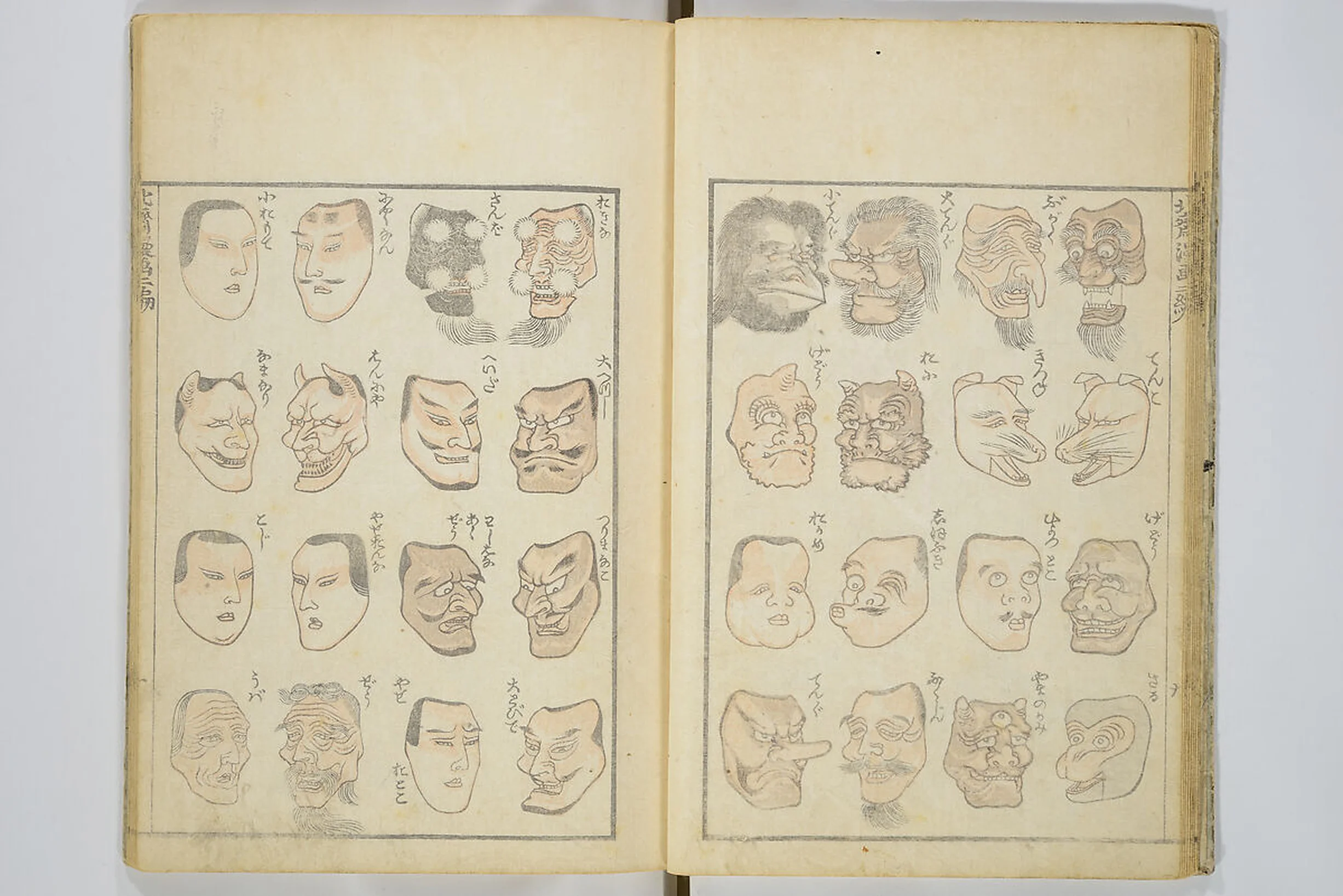
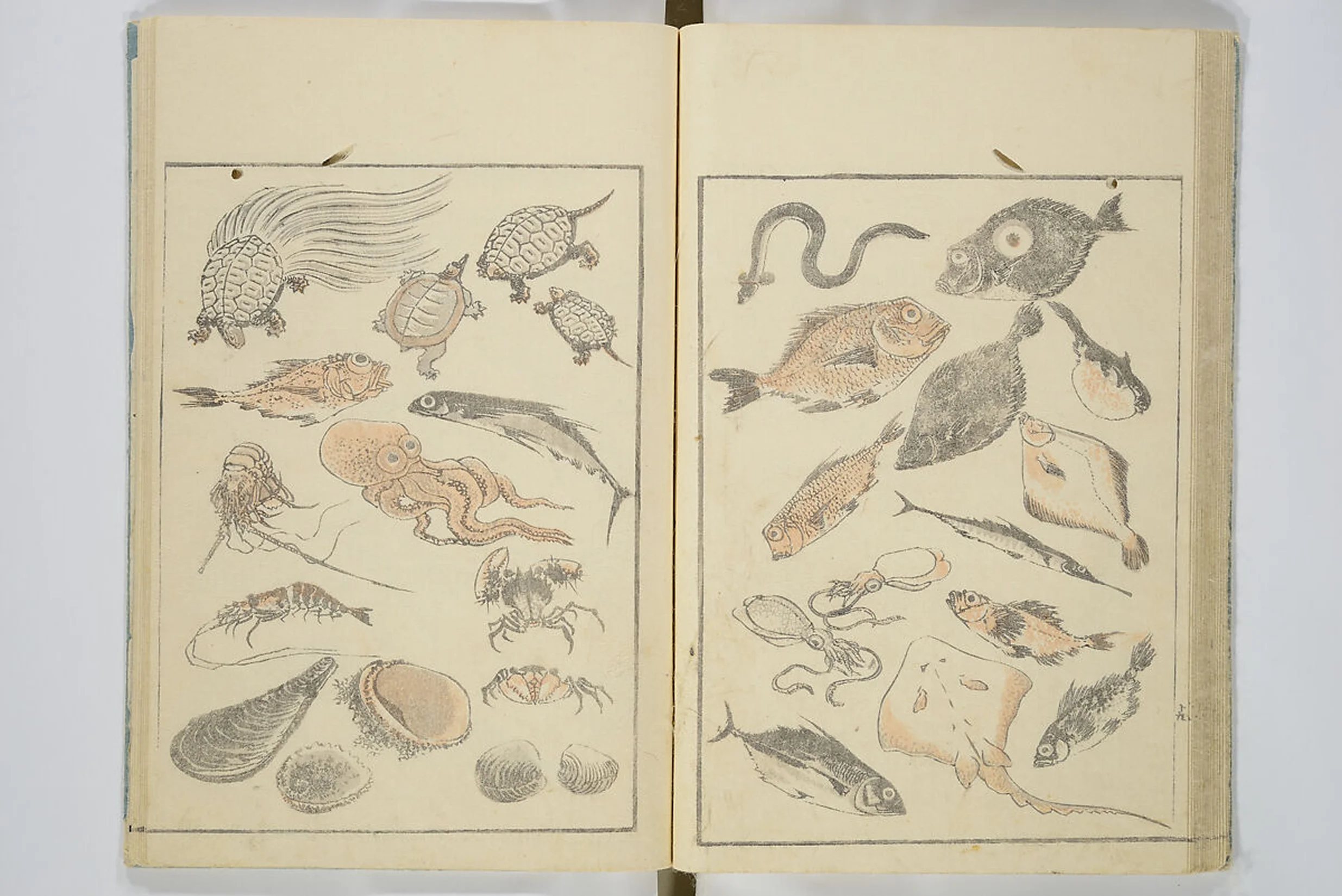
Hokusai's sketchbooks were a vast personal archive of forms, figures, animals, waves, faces. Upon close inspection, you'd find the books complete with visual grammar. Circles, geometries, and physics found law in his papers. His studies were obsessively modular, both pristine and whimsical. You'd find the world documented on its papers, annotated with emotion, bristling alive.
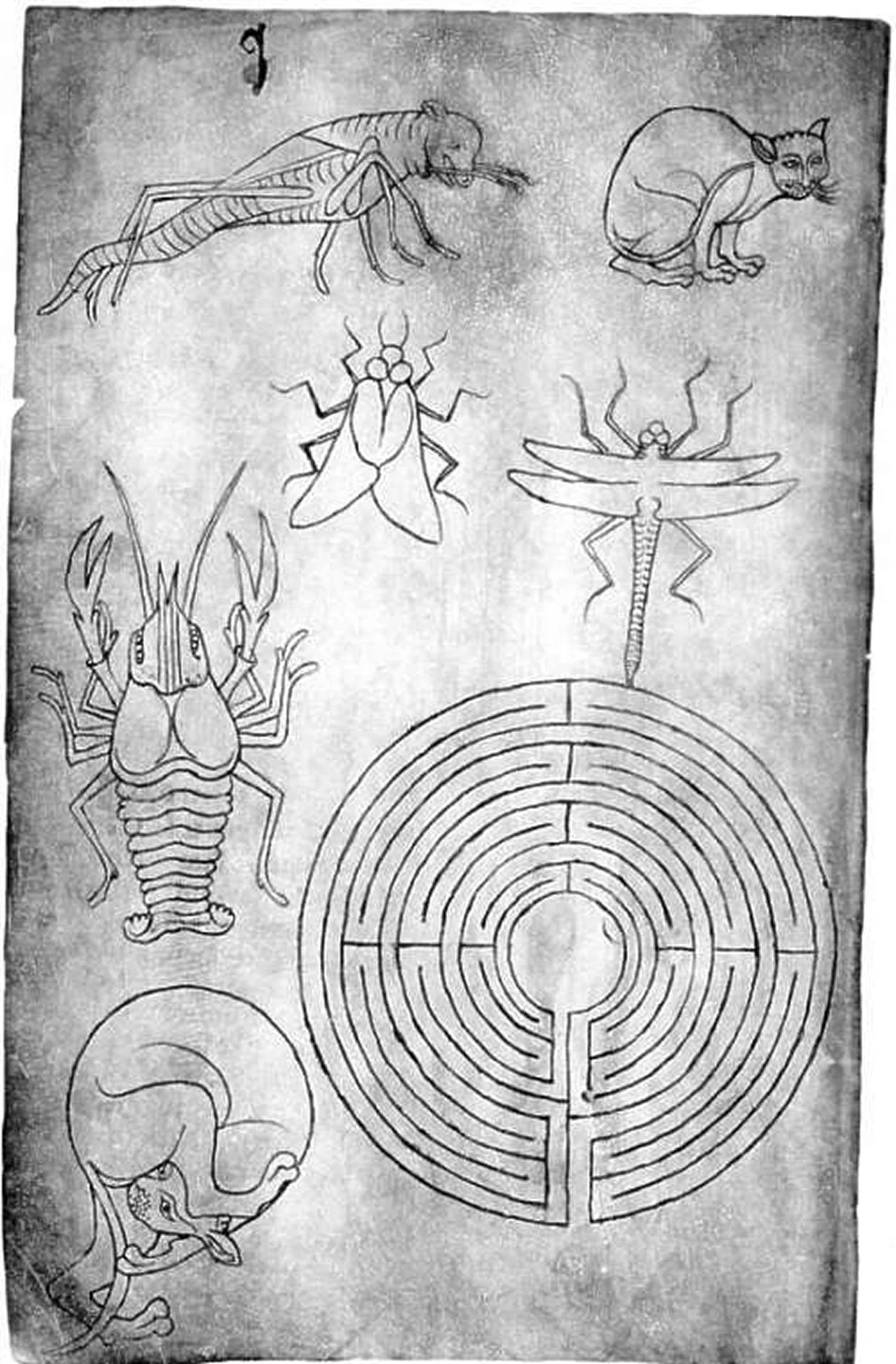
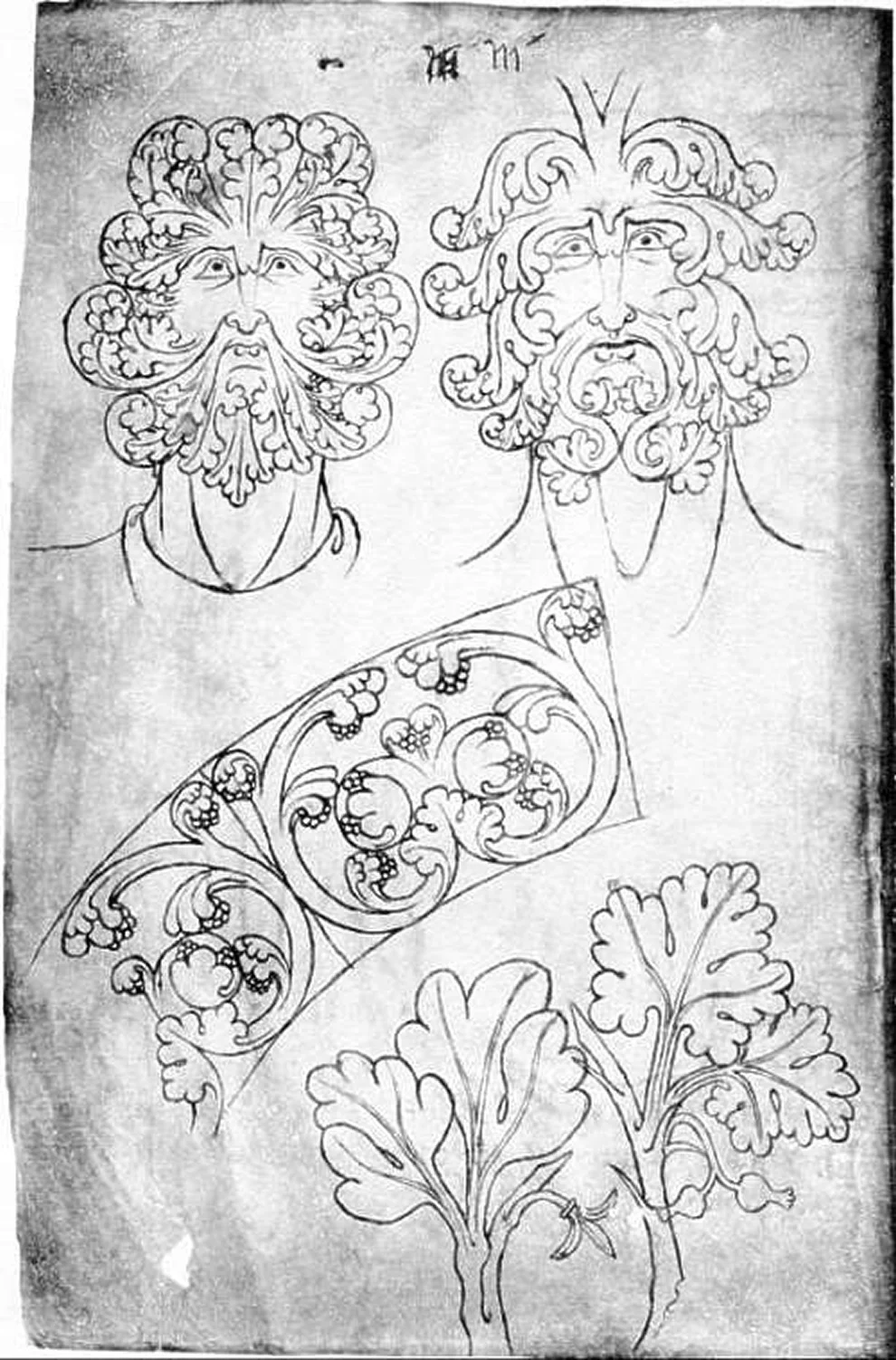
In 13th-century France, a master mason traveled to the great cathedral building sites with a portfolio in hand. His name was Villard de Honnecourt. What he left behind was a manual of forms, from figures and faces drawn over geometric scaffolding, to mechanical devices, to stone details from Reims and Laon. His drawings served as the starting points for pieces that engaged in remarkably industrial knowledge. He documented a working grammar for anyone who needed to build, carve, or compose. He saw the world, then built the instructions for its representation.
Your dictionary
The greatest makers have always kept these, and the greatest have always shared them. Collect, study, and spring from a well of your own. Keep it in your own folder, or open it to the world and let others build from it too.
Your dictionary, open for entries.